


What We Do in the Shadows (of Our Closet Walls)
There’s enough evidence to insinuate that What We Do in the Shadows is intentionally queer-coded.

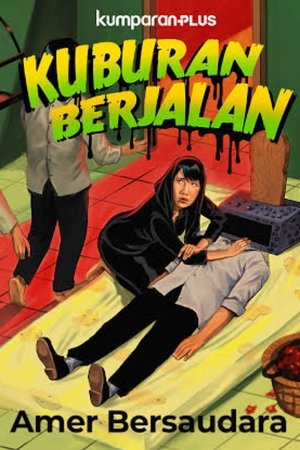
Dodi and Ranti are a married couple who suddenly experience horrifying experiences. This forced Dodi to ask for help through a shaman to find out what was the cause of all the terror. Someone apparently sent the Mystical Magic of Corpse Planting to Dodi. There are people who bury corpses in their bodies. This magic is usually used to hide evidence of murder or running out of graveland. When carrying out the mysticism of planting corpses, there are taboos that should not be violated. The bodies of people who are planted with corpses should not be stepped on, because basically Dodi's body is now a grave. And a taboo grave to step over. Dodi just realized that the night before he fell asleep in a prayer room and someone accidentally stepped over his body. Dodi must now act quickly before the curse spreads and forever transforms him into a Walking Graveyard; a human figure with a head tombstone.
There’s enough evidence to insinuate that What We Do in the Shadows is intentionally queer-coded.
What can I say about this Will Ferrell/Julia Louis-Dreyfus-led “dramedy?” Well, the comedy part of Downhill is completely non-existent. And I should have known that the film was a flop when I walked into an empty theater at a prime time on a Friday night.
The more biting satire is reserved for those on top of the power structure, such as the police, while those occupying lower levels are given more nuance and likability, even if they operate on the wrong side of the law. This principle gives Deep Cover its heart.
Complex relationships between mothers and daughters are far from a new concept, whether the strain comes from abandonment, beliefs, or trauma. In My Only Wish, an Incluvie Film Festival submission, Brenda Gutierrez’s take on her character’s maternal divide comes in the form of abandonment.
Han's turn to villainy in 'Frozen' was foreshadowed cleverly in the story.