











All Too Well: The Short Film and the Hysteria
Considering the runtime, I expected each scene to hit harder as opposed to a series of montages and vignettes.
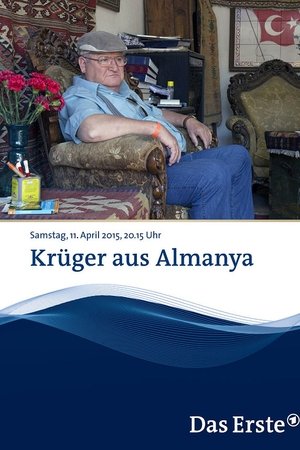


Berlin widower Paul Krüger, a retired ex-GDR stone mason (66), hates foreigner immigrants, especially Muslims. When his beloved, doting granddaughter Annie plans to marry Deniz, an ambitious student and waiter in Ankara who needs a visa for Germany, backward Paul and his buddy, publican Karin, go on Turkish 'holiday' so he can talk her out of it. But Deniz proves her only choice and probably a right one, even if countrymen and family win Paul's heart, as well as a resourceful preteen-thief, who proves an orphaned Syrian refugee. Paul even promises to plead with his counterpart, Deniz's family patriarch, who opposes him marrying a Christian infidel at pain of expulsion from the close clan.
Considering the runtime, I expected each scene to hit harder as opposed to a series of montages and vignettes.
A family drama is woven with quiet yet powerful forces of words and nature.
J Brooke, Incluvie Guest Columnist on 'Life and Beth' and 'Sort of': while living one’s truth is freedom, speaking it as a mandatory assignment can become captivity.
Mulan had to struggle to feel like herself and see herself properly. Some of us have to strive to have our reflection mimic what’s inside. We have to crawl. We have to fight.
As one of the women said in the film, friendship in your teens is “as important as any lover” and it’s clear they lived that philosophy throughout their early adult lives as well.
Disney has long since had a reputation for creating underwhelming sequels. Is Zootopia 2 any different?