Writing Great Villains: Why They Shouldn't Be Sympathetic
Writing great villains is about striking a balance between charming and evil, so we love them but also love to see them lose.
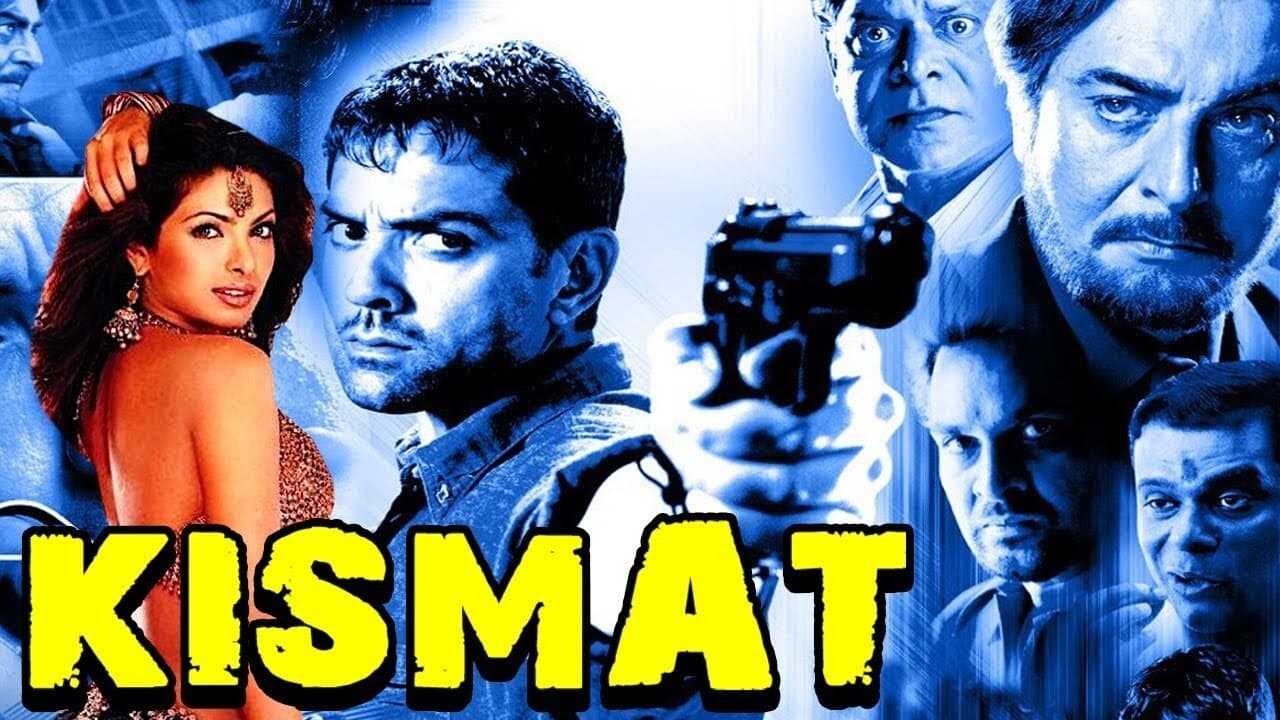
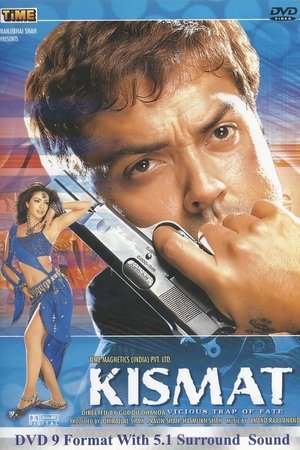


Tony works as a hit-man for gangster, Vikas Patil, who owes his allegiance to wealthy Raj Mallya. Raj Mallya is involved in marketing spurious and out-dated drugs, and as a result is the subject of an investigation by the Food & Drugs Administration's inspector Dr. Hargobind Gosai. Raj asks Vikas to take care of Hargobind through Tony, which Tony does, and in this manner, Raj is absolved of all wrong-doing. Then Tony meets with attractive starlet named Sapna, and falls head over heels in love with her. When Sapna tells him that she is engaged to be married to Dr. Ajay Saxena, he is heart-broken. Then a scandal breaks out, and Hargobind is implicated in the deaths of three children that were killed by Raj's spurious drugs. All the evidence points against Hargobind, and not a single lawyer is willing to take his case; his wife kills herself, and the marriage of his daughter has been canceled.

Guddu Dhanoa
Director

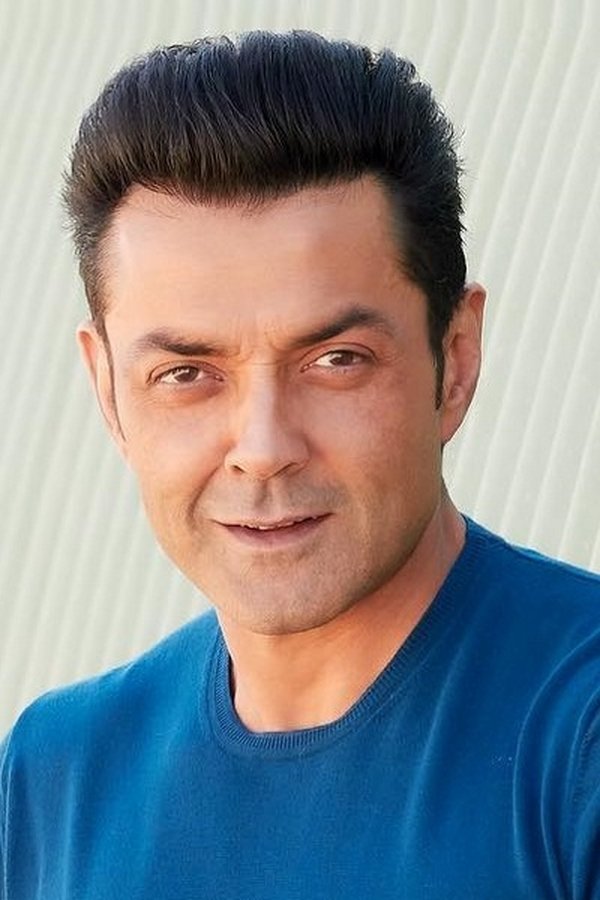
Bobby Deol
Tony

Priyanka Chopra Jonas
Sapna Gosai
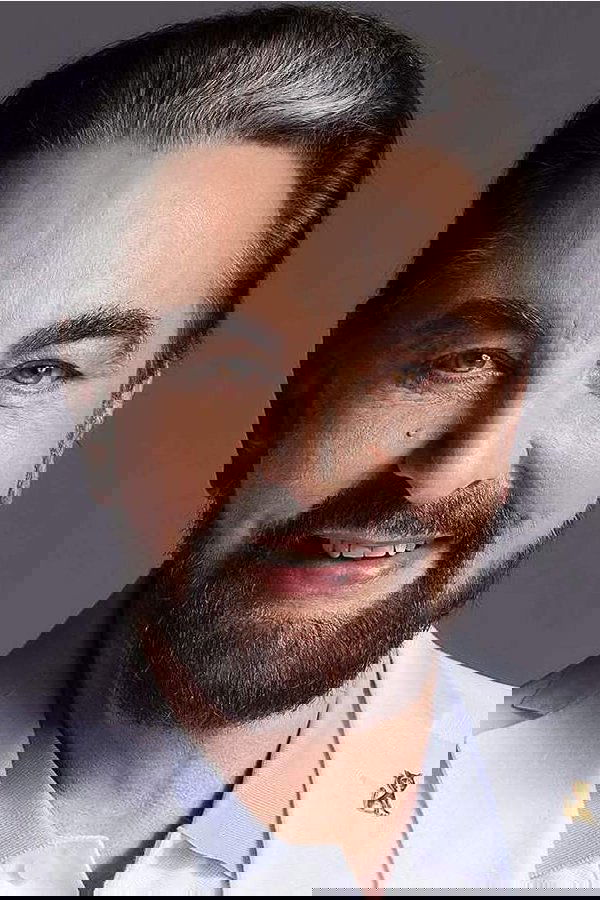
Kabir Bedi
Raj Mallya

Sanjay Narvekar
Goli

Mohan Joshi
Dr. Hargobind Gosai

Shahbaz Khan
Vicky

Smita Jaykar
Mrs. Gosai

Mushtaq Khan
Pankaj Bhai (Sapna's secretary)

Veerendra Saxena
Sinha (Mallya's secretary)

Ashish Vidhyarthi
Vikas Patil
Vivek Shrivastav
Guna
Writing great villains is about striking a balance between charming and evil, so we love them but also love to see them lose.
We sat down with Writer/Director Albert Acosta to discuss his debut short film, (ha-ha), Acosta's foray into narrative cinema, and how his personal experiences have shaped his filmmaking philosophy.
Coralie Fargeat once said that “Being a woman is body horror,” and when you think about the ways we are taught to experience our own bodies, it becomes almost impossible to argue with her.
What makes The Matrix saga fascinating is the symbolism of caves and trans allegories
The [SPOILER-Free] story of Jurassic World: Dominion is that the humans never learned from their mistakes from the previous films, science is still running amok, and the world is paying the price.
Spotlighting the legacy of the legendary Raymond Lewis through the love of a devoted daughter.