







'Unsolved Mysteries': Netflix’s Revival Series is as Eerie as it is Compelling
'Unsolved Mysteries' is a reminder that not everyone has closure in their lives. Things will happen that have no known explanation, and seemingly come out of nowhere.
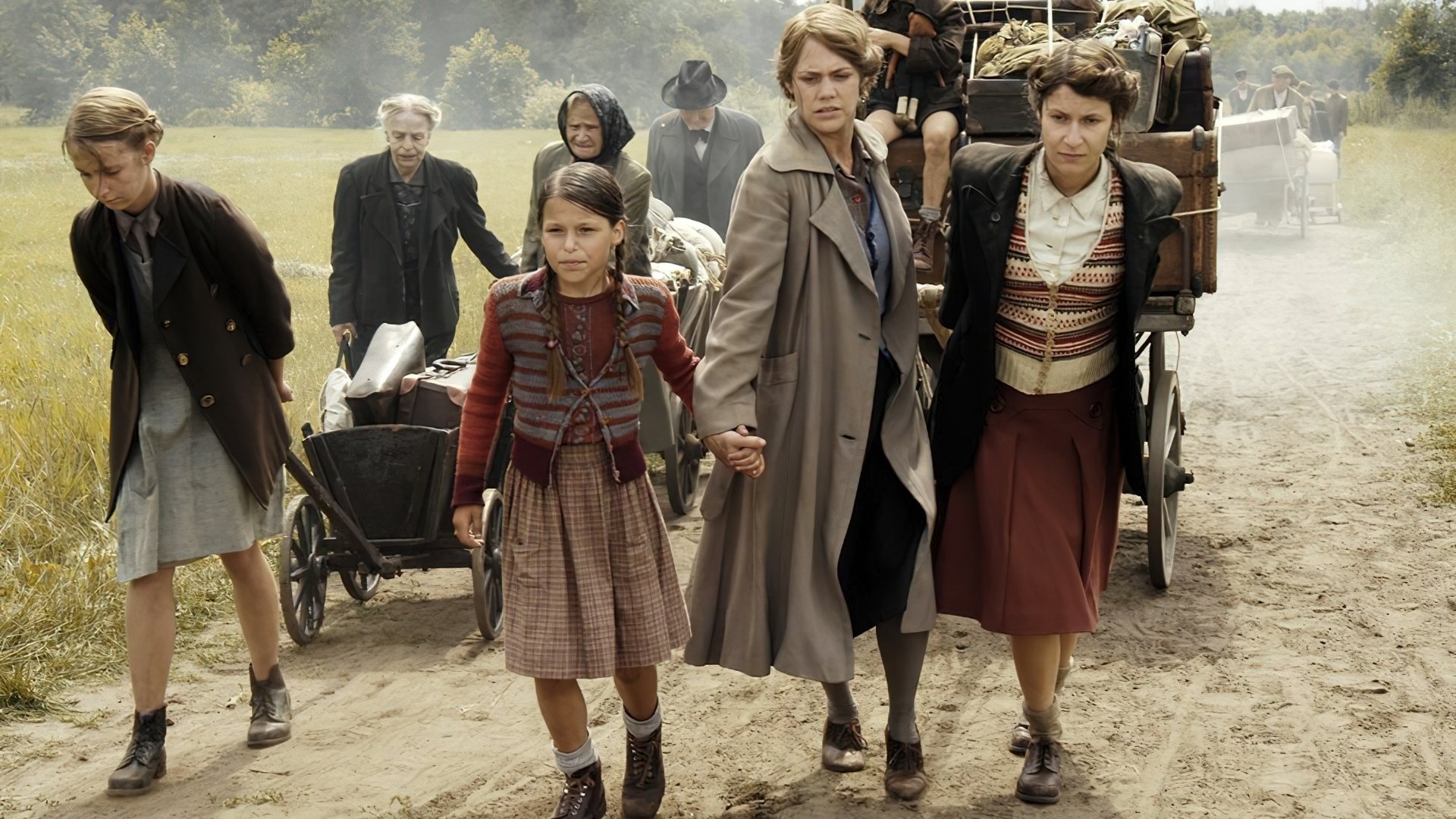
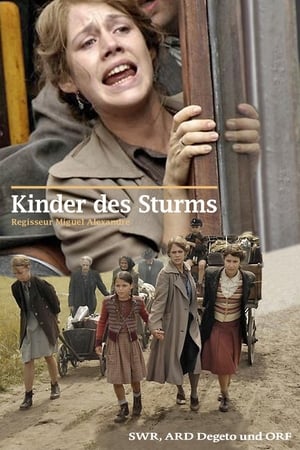


The film is set in post-war Germany. It tells the story of widow Rosemarie Hermann, who flees Silesia with her sister Bettina, her father, and their two children Maria and Johannes ("Jojo"). In the general chaos, she loses her daughter. In her attempt to find her, she finally receives support from Harald Bergmann, who works for the tracing service of the German Red Cross and also finds her a job there. Maria initially lives in a children's home near Lübeck and is then placed with a foster family.
'Unsolved Mysteries' is a reminder that not everyone has closure in their lives. Things will happen that have no known explanation, and seemingly come out of nowhere.
Welcome to the first episode of the Incluvie Movie Highlights! We shine a spotlight on our favorite new movies that stand out for diversity and identity. Is Everything Everywhere All at Once too weird, or just the right amount of weird?
The repeated actions, the blood on the petals, the rustling under the floor…An ambient short horror film takes us into another realm.
A strong representation of African Americans in this film features evil spirits and horror-themed elements.
A science fiction movie brings a strong diverse cast and adventure in outer space.
The social issues The Half of it takes on are handled well, between the antagonization brought on to Ellie for her race and the conflict that arises from her being gay. Both aspects of her character are built up over the course of the film and don’t seem abrupt or rushed. The film shows racism towards Ellie and her and father in varying levels, from having her schoolmates specifically address her as "Chinese girl” to the fore mentioned way her Dad is treated due to language barriers. The same can be said about Ellie being a lesbian. While she never truly “comes out” in the narrative, that does not undermine her journey of self-discovery from being meaningful. These ideas aren’t thrust upon the viewer in a preachy manor, the scenarios that occur feel believable given the rural setting. The film presents watchers with problems whom those like Ellie may face, and leaves us to sit with them and reflect.