












“Leviticus” and Leviticus
Like most young people, Leviticus is imperfect. But I love it anyways.

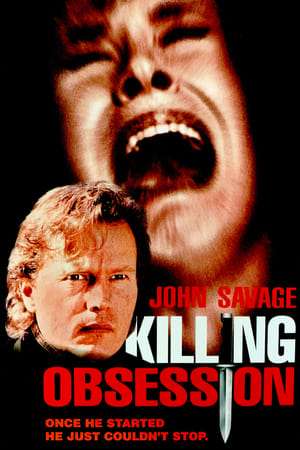


Albert (John Savage) is a psychopath who, after brutally murdering a woman, becomes obsessed with her 11-year-old daughter Annie. Twenty-one years after being sent to prison for his crimes, Albert is freed over the strenuous objections of Dr. Sachs (John Saxon), the psychiatrist who has been overseeing Albert's case all these years. Sachs is convinced that Albert is still a very real threat to the community, and it turns out that he's right; desperate to find Annie, but not knowing what surname she uses today, Albert begins contacting every Annie he can find in the phone book, leaving a bloody trail of murdered women in his path when they turn out not to be the little girl he's looking for
Like most young people, Leviticus is imperfect. But I love it anyways.
Netflix takes some liberties in its portrayal of Madame CJ Walker, a trailblazing Black entrepreneur.
A refreshing twist is that all the kids’ powers are…kind of useless. There’s a kid who can only move in slow motion, a kid who has every power in the world but can only use them randomly, and our main character Missy who has no powers at all. The thesis of the film seems to be that it doesn’t matter what kind of powers you have, its the way you use them, which is good for the warm and fuzzies.
Baggage’s experimental mixed formats visualized a woman’s brave inner journey of visiting the museum of her fragmented memories.
'Kobra Auto Retrato' chronicles the inspiring journey of Kobra, a world-renowned Brazilian muralist and street artist.
Slip on your favorite dungarees and spend the day on the east coast of New Zealand before the 90s.