
Why "People We Meet On Vacation" Did Not Meet Its Full Potential
Emily Henry’s adaptation reaches romance movie standards, but not romance reader standards.
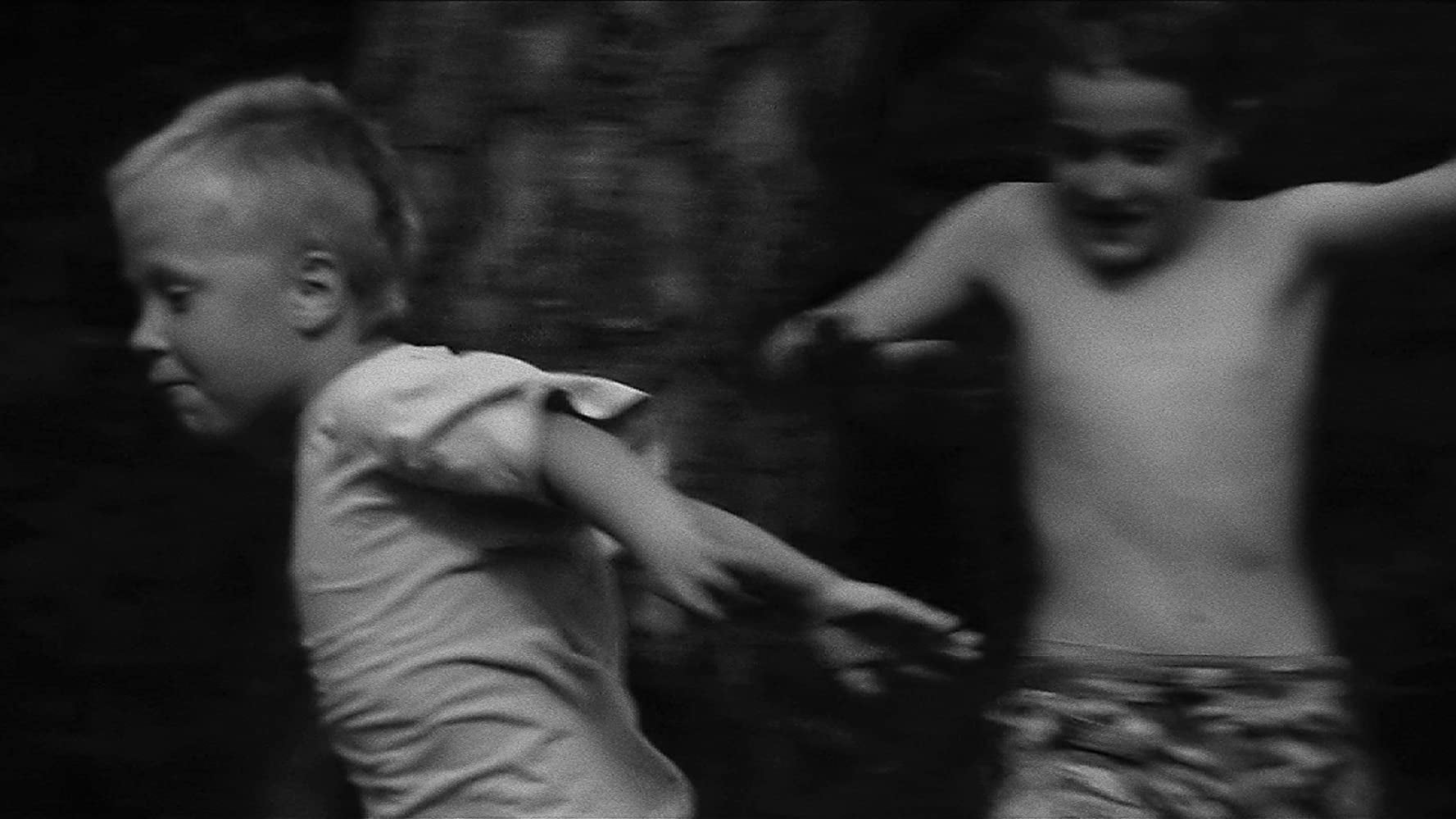
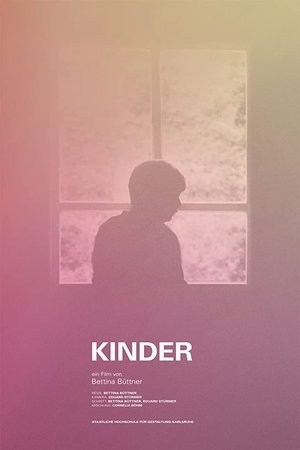


In Bettina Büttner’s exquisitely lucid documentary Kinder (Kids), childhood dysfunction, loneliness, and pent-up emotion run wild at an all-boys group home in southern Germany. The children interned here include ten-year-olds Marvin and Tommy. Marvin, fiddling with a mini plastic Lego sword, explains matter-of-factly to the camera, “This is a knife. You use it to cut stomachs open.” Dennis, who is even younger, is seen in a hysteric fit, mimicking some pornographic scene. Boys will be boys, but innocence is disproportionately spare here. Choosing not to dwell on the harsh specifics, Büttner reveals the disconcerting manner in which traumatic episodes can manifest themselves in the mundane — a game of Lego, Hide and Seek, or Truth or Dare. Filmed in lapidary black-and-white, Büttner’s fascinating film sheds light on childhood from the boys’ characteristically disadvantaged perspective — one not yet fully cognizant — leaving much ethically to ponder over.
Emily Henry’s adaptation reaches romance movie standards, but not romance reader standards.
Joann Kohng’s Subject to IX tells the heartbreaking truth of the Title IX rules that colleges abide by.
While prioritizing production value over substance, Flood depicts an emotionally taut family drama set during the farmland flooding of the Franco-Dutch war.
A sweet slice-of-life anime that visualizes all the ways we creatively hide our vulnerabilities from the world.
Ricky Staub’s Concrete Cowboy, based on Greg Neri’s novel "Ghetto Cowboy", tells the story of a young teenager forced to adapt to a new lifestyle.
A Christmas tale that everyone is wishing for, and that everyone will remember.