



Why Caves and Trans Allegories Will Get You Through 'The Matrix' Saga
What makes The Matrix saga fascinating is the symbolism of caves and trans allegories
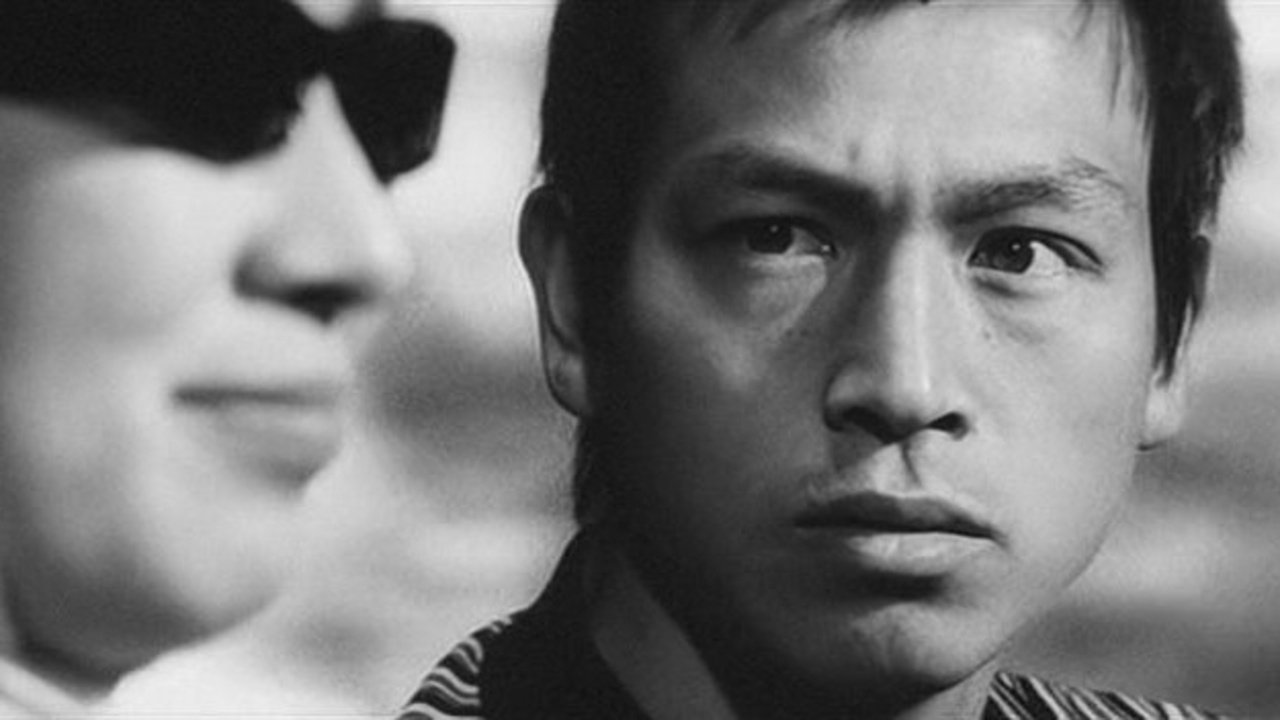
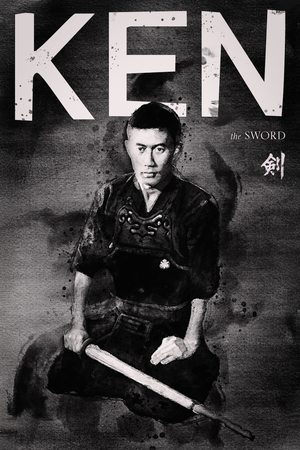


Kokubu, captain of his university's kendo team, is a mystery to those who know him: An ascetic dedicated to a point of obsession with the simplicity and beauty of the sword arts. Kagawa, a promising but arrogant kendo student, is attracted to Kokubu's devout leadership but kept at a distance by his standoffish nature. With the national championships fast approaching, the pair clash as Kokubu drives his students with increasingly rigorous training and Kagawa tests Kokubu's grip on the class.
What makes The Matrix saga fascinating is the symbolism of caves and trans allegories
"Warrior" is a Bruce Lee written and inspired story that follows a diverse cast of Chinese American characters and does a terrific job of setting the story in 1878 San Francisco - all without pulling their punches with the systemic racism, discrimination, and struggle for power that old and young immigrants that crossed the country at that time had to go through.
In Saudi Arabia, a little girl (Wadjda) is told she can't have a bike because she's a girl. Wadjda struggles to obtain a bicycle to race her friend, Abdullah, due to the gender inequality and cultural norms of Saudi Arabia.
I was able to sit down and talk with singer/songwriter Carson Lueders about his career in the music industry. We talked influences from country music to Pop, and his working relationship with Quavo from the The Migos.
“To be universal, you have to get specific”: while the film does not attempt to provoke discussions about queerness or race, those watching closely may find something resonant in Sorrentino’s love letter to the Naples of his youth.
The social issues The Half of it takes on are handled well, between the antagonization brought on to Ellie for her race and the conflict that arises from her being gay. Both aspects of her character are built up over the course of the film and don’t seem abrupt or rushed. The film shows racism towards Ellie and her and father in varying levels, from having her schoolmates specifically address her as "Chinese girl” to the fore mentioned way her Dad is treated due to language barriers. The same can be said about Ellie being a lesbian. While she never truly “comes out” in the narrative, that does not undermine her journey of self-discovery from being meaningful. These ideas aren’t thrust upon the viewer in a preachy manor, the scenarios that occur feel believable given the rural setting. The film presents watchers with problems whom those like Ellie may face, and leaves us to sit with them and reflect.