

What We Do in the Shadows (of Our Closet Walls)
There’s enough evidence to insinuate that What We Do in the Shadows is intentionally queer-coded.
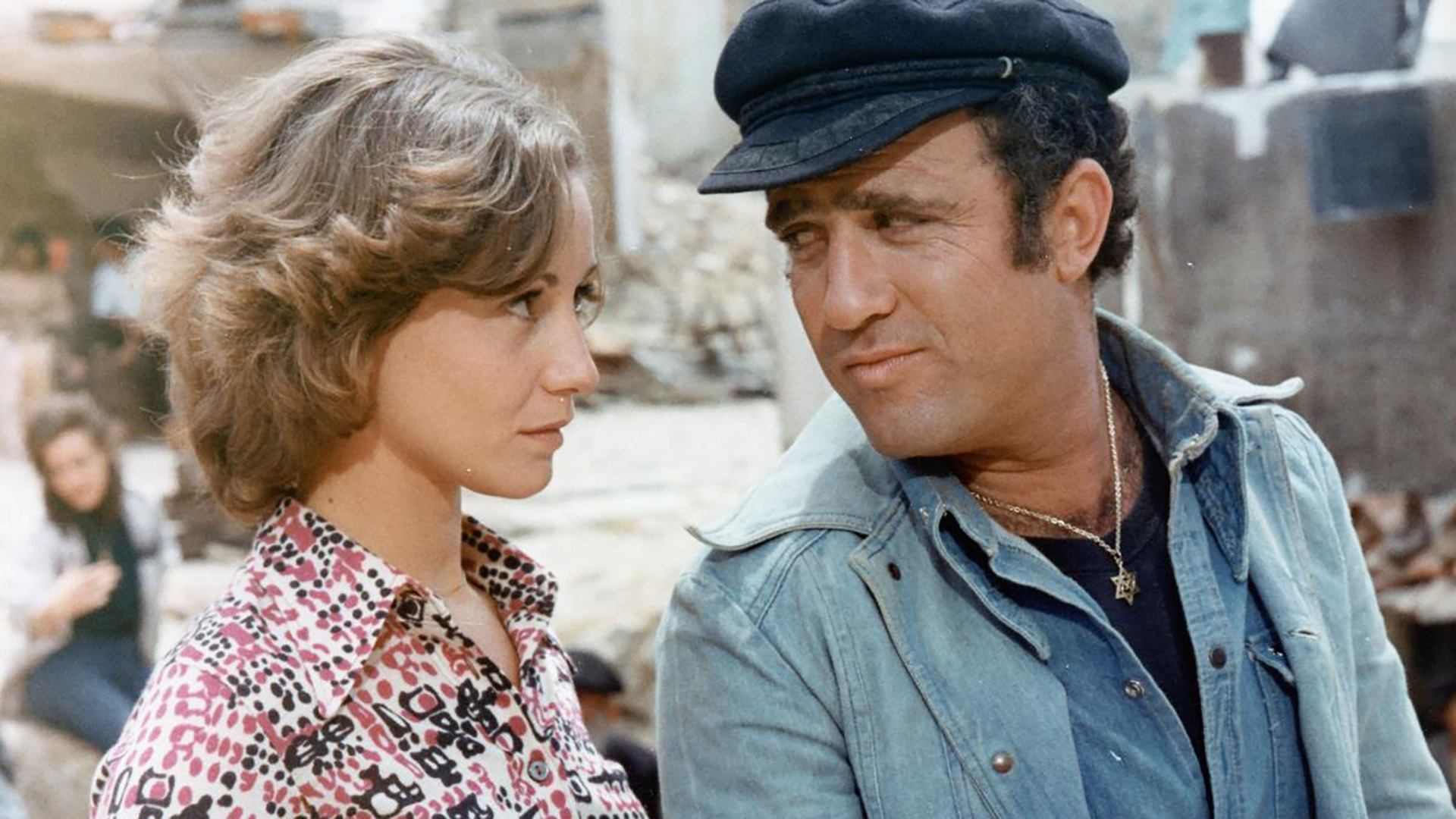
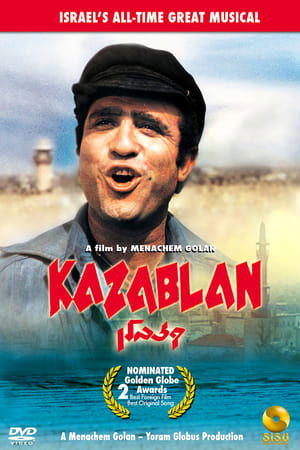


An adaptation of a popular Israeli stage musical. Kazablan is an army veteran turned gang leader in the Israeli port of Jaffa who masks his feelings of bitterness with a lot of bravado. He's sweet on Rachel, a young woman who lives with her father and stepmother. The budding relationship scandalizes the neighbors (not to mention Rachel's parents) and infuriates Yanush, a middle-aged shoe store owner who wants Rachel for himself. (Yanush feels he's entitled to marry Rachel since they're both Ashkenazi Jews of Eastern European origins, whereas Kazablan is a Sephardic Jew from Morocco.) The neighborhood has something else to worry about besides the antics of Kazablan and his gang: the city wants to tear down their crumbling homes. The residents pool their resources to save their houses, but the money that's collected is stolen. When he's jailed for the theft, Kazablan must find a way to clear himself.
There’s enough evidence to insinuate that What We Do in the Shadows is intentionally queer-coded.
In Deaf, the Spanish director Eva Libertad explores pregnancy and motherhood from the perspective of a deaf woman. Her movie examines how the world imposes the notion of disability on her main character while she actually does not feel disabled herself.
After years of silence, trauma, and backlash, Rose McGowan tells her own story in this miniseries.
Few movies deal with aging (particularly aging women) with as much compassion as Relic does. Yet it’s not sickly sweet and not a soapbox rant against ageism. Relic simply is, allowing the horror to seep in quietly and carefully.
Hiring bias is something that's rampant in all industries (even unconscious bias). But writing a script totally neutral not only opens the door for more diverse actors, but also for characters that are people first.
'Don't Lose Your Head' follows the motto of "grades aren't everything."