









Afterlife of the Party: An Exploration of Female Friendship
Netflix's Afterlife of the Party might fall into the rom-com genre, but it's much more about grief, strong female friendships, and platonic love than it is about romance.
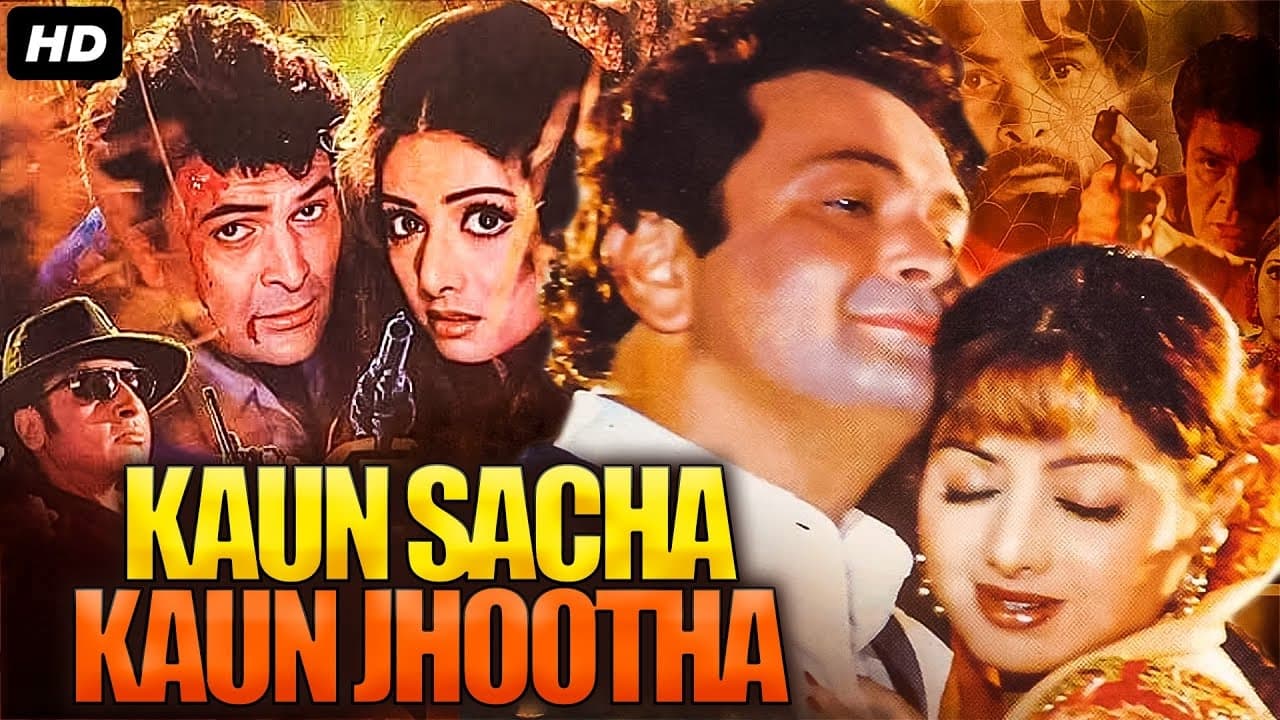



In the darkness of night a dangerous, mentally disturbed man called Karan (Rishi Kapoor) escapes from the mental asylum and this news spreads in the city.
Netflix's Afterlife of the Party might fall into the rom-com genre, but it's much more about grief, strong female friendships, and platonic love than it is about romance.
Films about casinos have long been a favorite of Hollywood. This is unsurprising, as they're often tied to magnetic characters whose lives revolve around luxury, spectacle, and even danger.
Presenting a bold and unapologetic narrative focused on strong Muslim female characters, the show beautifully incorporates punk rock as a feminist movement in their lives.
It’s the most loving tribute to cinema and to Ingmar Bergman, set in world that feels so habitable that I felt like only re-watching this for eternity, because of how inviting it looks and feels.
The quiet ache of guilt sitting at the dinner table, the silence after a truth is buried, and the way pain is passed down like a name.
An aspect of She-Ra that I find refreshing is even though a large portion of the cast is on the LGBTQ+ Spectrum, being gay is never mentioned. While this might initially sound like a negative thing, in the show’s land of Etheria being on the gay spectrum is shown to be so common and normalized that straight isn’t the default. As much as there is to appreciate about narratives revolving around the obstacles that may come from being non-heteronormative, it’s nice to get immersed in a world where no one bats an eye at all to any sort of differing identity.