

Dead Poets Society Steals a Queer Story
Dead Poets Society relies on patriarchal tropes such as overbearing fathers, contrived brotherhood, and faux-individuality in order to portray its straight white male characters as oppressed.
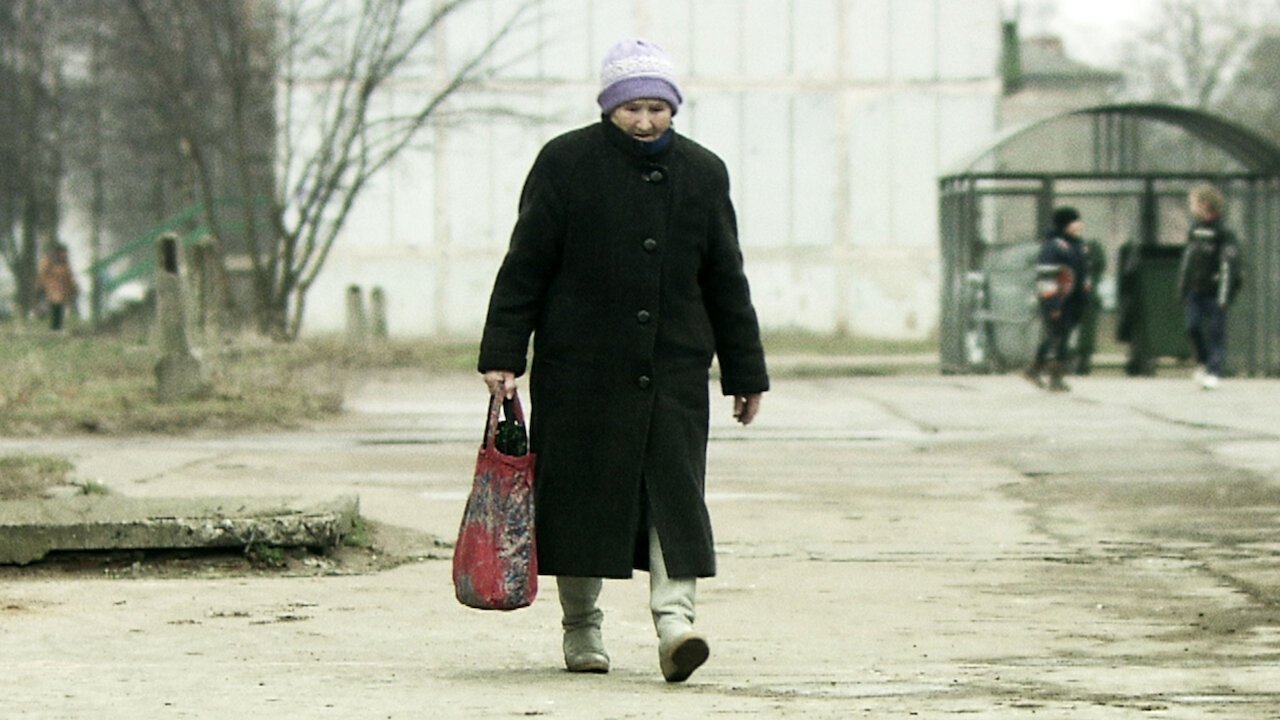
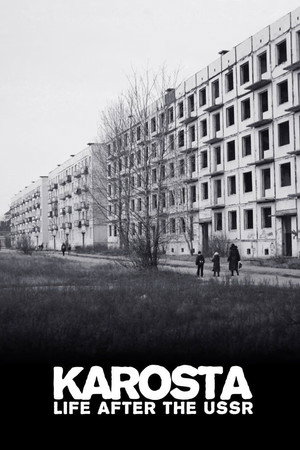


A portrait of an abandoned Soviet military settlement that was neglected when the army personnel and their families left.
Dead Poets Society relies on patriarchal tropes such as overbearing fathers, contrived brotherhood, and faux-individuality in order to portray its straight white male characters as oppressed.
In 'Little Boxes," an interracial family moves to an all-white town where they face the judgement of others who have never been exposed to people of color before.
Facing the world with our fair share of uncertainties and/or apprehensions, many of which, sadly, may be well-founded, is nothing to sneeze at. Influenced and buffeted by the constant barrage of social media, fake news, and general upheaval present in our contemporary reality, what IS real and what's not becomes a blur.
It: Welcome to Derry proves you can have rich representation, real humanity, and still fully enjoy Pennywise terrifying kids in sewers.
Taika Waititi and the cast of Thor: Love and Thunder have been hyping up the gayness of this movie, and while there are queer characters, it's not quite the representation we were hoping for.
“Candyman ain't a 'he.’ Candyman is the whole damn hive." Candyman represents all Black victims of white supremacy, and this art form narratively conveys it in a succinct, adulatory way, the history of which is rare to find.