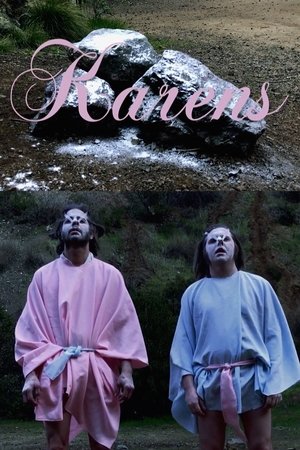
Karens (2017)
Two boys search for a life source.

- / 5
PopScore
Representation
Pictures and Videos

Movie Information
Two boys search for a life source.
Rating:
Genre:
Written By:
In Theaters:8/31/2017
Box Office:
Runtime:9 minutes
Studio:
Cast


Articles You May Like
Ma Rainey’s Black Bottom; A Lesson in Blues -Movie Review
'Moonlight': A Retrospective on Barry Jenkins' Masterpiece
Barry Jenkins' masterpiece holds up as the story of a lifetime centered on the intersection of Blackness and gay identity.
"Doctor Doctor" Indie Film Review-Hostage crisis comedy with a hypochondriac-centric heart
Facing the world with our fair share of uncertainties and/or apprehensions, many of which, sadly, may be well-founded, is nothing to sneeze at. Influenced and buffeted by the constant barrage of social media, fake news, and general upheaval present in our contemporary reality, what IS real and what's not becomes a blur.
What Netflix's “Shadow and Bone” Gets Right and Wrong with the Books’ Diversity
Netflix’s Shadow and Bone has a complicated relationship with race. It has a diverse cast, but not without its problems. Based on Leigh Bardugo’s two book series, the show features characters from the Shadow and Bone trilogy, which is very straight and white, and the Six of Crows duology, which is much more diverse. When bringing together a cast and writing about these characters, the team behind the show expanded upon some of the representation missing from the first trilogy, then seemed to take away representation from the duology. Shadow and Bone seems to play a bit of a push and pull game when it comes to portraying diversity onscreen.
10 Movies Depicting the Lives of Ordinary Women in Historical Europe
One of the reasons I love watching movies is that, much like books, they serve as windows into other times and different places. Productions from around the world offer valuable insights into the history and culture of their respective countries. And just like literature, cinema can help us understand the present by showing us the past.