'Luther: The Fallen Sun', Idris Elba’s Netflix Vehicle, Fails to Make the Point
By undermining the appeal and credibility of black characters, the show compromises the very idea of diversity and representation it sets to promote.
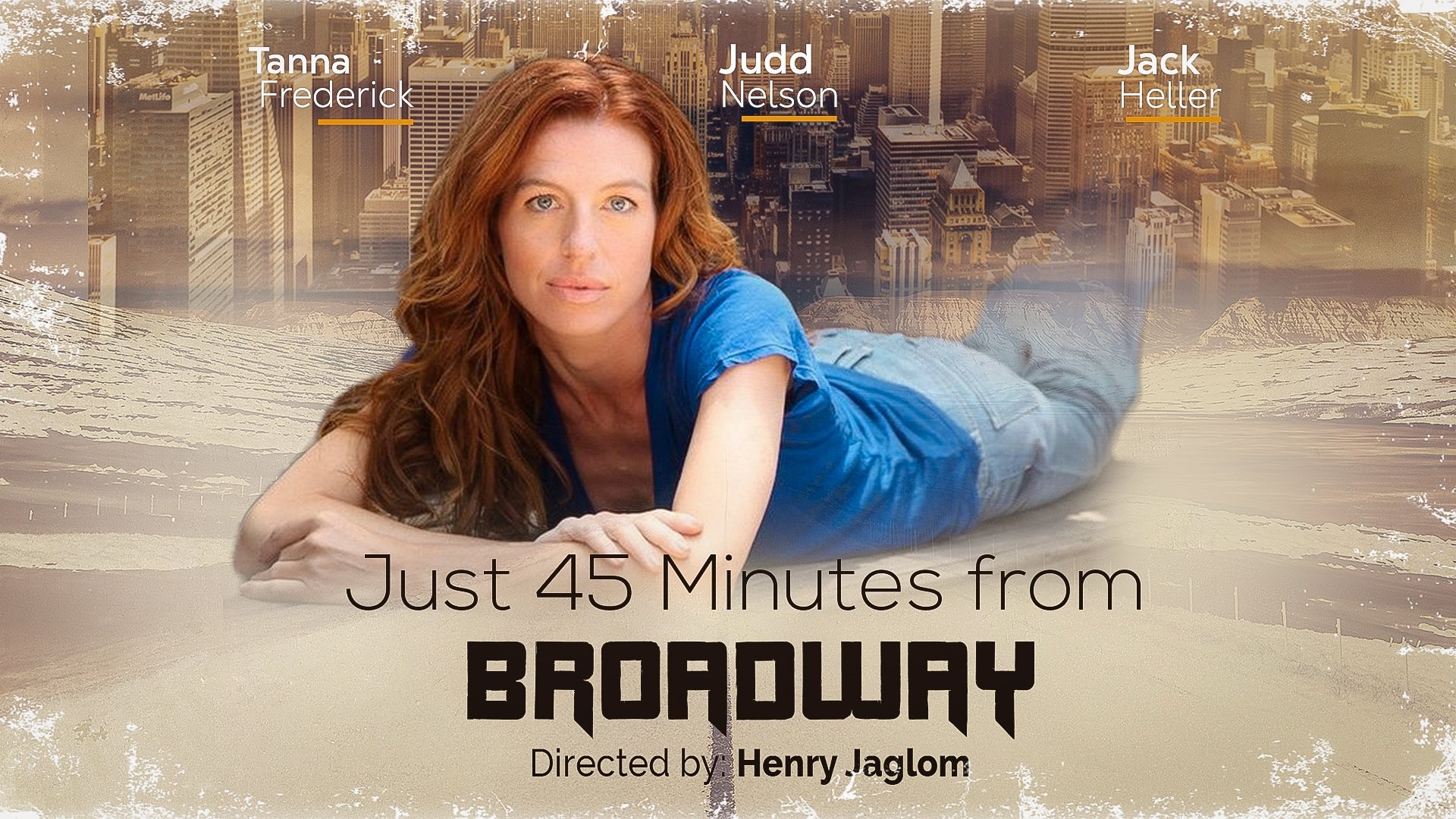
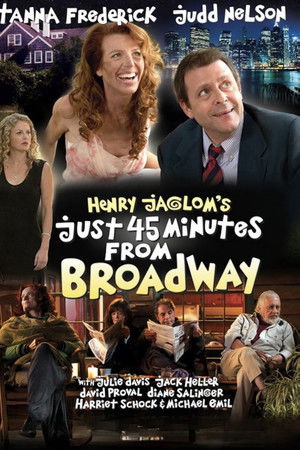


Stinging from the latest of several romantic break-ups, Pandora Isaacs (Tanna Frederick) retreats to the safety of her parents’ ramshackle upstate country house — just 45 minutes from Broadway— where her non-theatrical sister (Julie Davis) and her sister's fiance, a real- estate executive, (Judd Nelson) are also arriving for the weekend and the family's yearly Passover Seder. Family secrets, sibling rivalries, theatrical hysterics and the possibility of true love as rare as a blue bullfrog all emerge.

Henry Jaglom
Director


Tanna Frederick
Pandora Isaacs

Judd Nelson
Jimmy D'Angelo
Jack Heller
George Isaacs
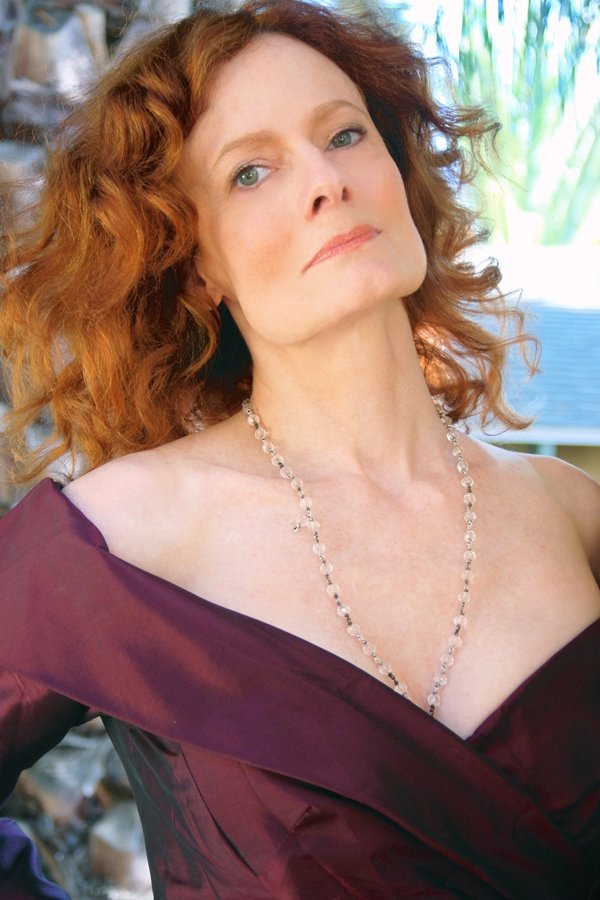
Diane Salinger
Vivien Cooper Isaacs
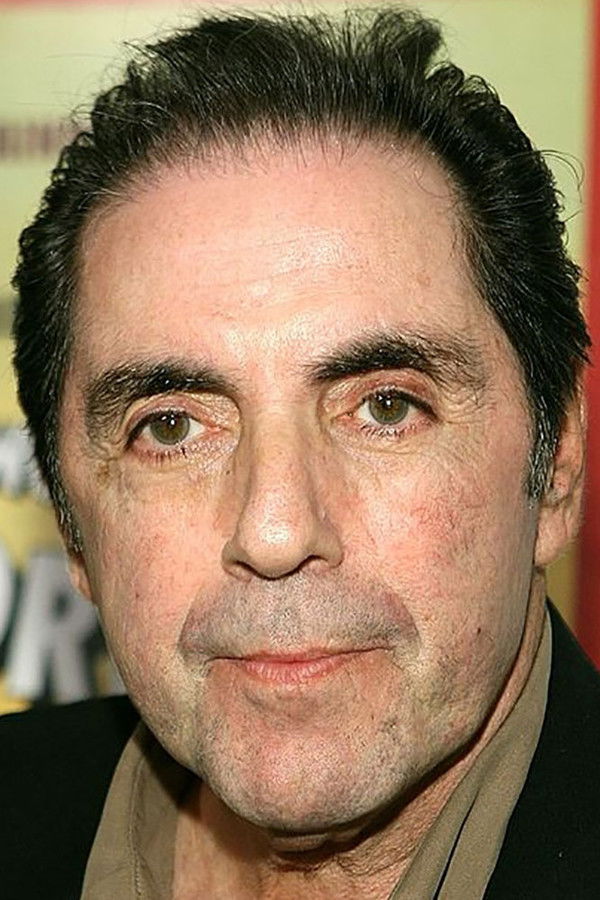
David Proval
Larry Cooper

Julie Davis
Betsy Isaacs
Harriet Schock
Sally Brooks
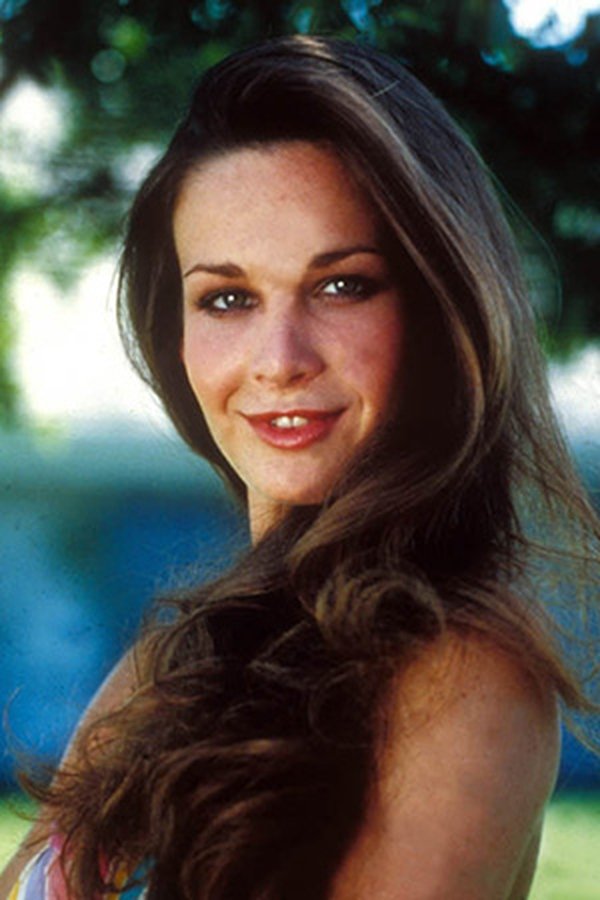
Mary Crosby
Sharon Cooper
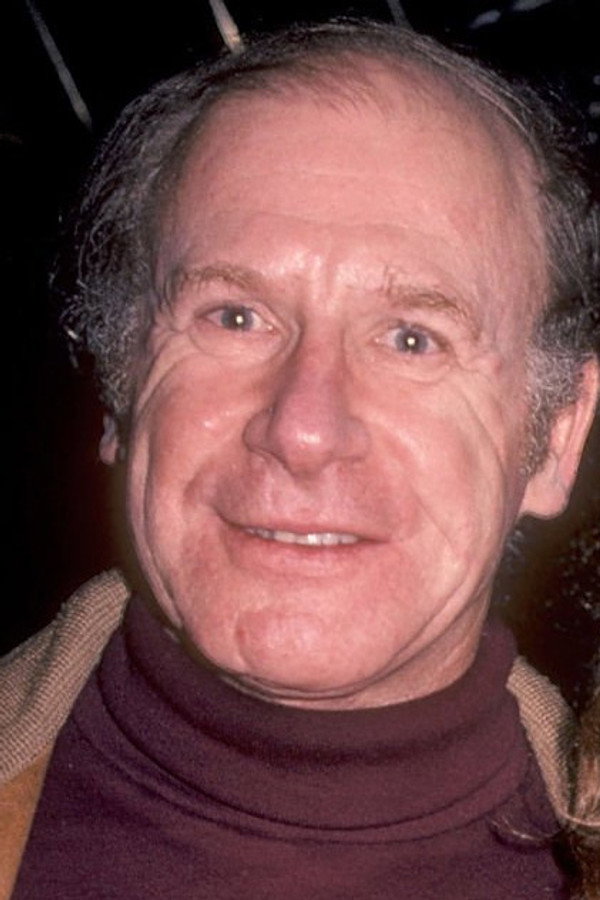
Michael Emil
Misha Isaacs
Simon Orson Jaglom
Willy Lewis
Sabrina Jaglom
Judy Cooper
By undermining the appeal and credibility of black characters, the show compromises the very idea of diversity and representation it sets to promote.
“Reboot” is crass and sometimes incoherent, and has much room to improve, but with investments of time and care, could flower out of the seed of a vision.
When the retelling of the Cinderella fairy tale and a holiday spirit come together, viewers learn about class issues as well as perseverance despite setbacks.
Throughout Brendan Fraser’s career, he has played a plethora of unique, layered characters who explore the importance of not being afraid to display your emotions, something that is often seen to not be a masculine trait. This idea of regulating emotion and what traits men are able to possess creates a toxic atmosphere for men who are often told they should not cry or represent their emotions in any physical way. These characters represent that men can be joyful, emotionally conscious, and sensitive, while also representing their masculine identity instead of painting those qualities as fighting against their masculinity.
Like Stars on Earth is a representative movie that talks about dyslexia to young audiences and why it is important in today's generation.
“To be universal, you have to get specific”: while the film does not attempt to provoke discussions about queerness or race, those watching closely may find something resonant in Sorrentino’s love letter to the Naples of his youth.