










How to Make a Misogynistic Movie and Call it Feminist
"Ladies First" has a fundamental misunderstanding of what's feminine because of the patriarchy and what women do because they genuinely enjoy it.

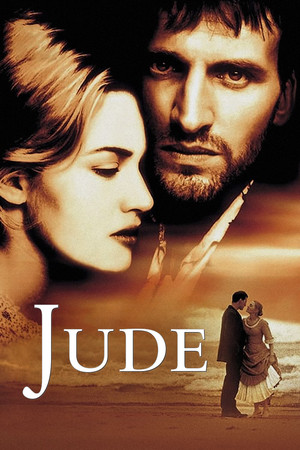


In late 19th-century England, Jude aspires to be an academic, but is hobbled by his blue-collar background. Instead, he works as a stonemason and is trapped in an unloving marriage to a farmer's daughter named Arabella. But when his wife leaves him, Jude sees an opportunity to improve himself. He moves to the city and begins an affair with his married cousin, Sue, courting tragedy every step of the way.
"Ladies First" has a fundamental misunderstanding of what's feminine because of the patriarchy and what women do because they genuinely enjoy it.
Sailor Moon Crystal wisely makes the decision to adapt Season 4's Dream Arc into an epic anime movie where the Sailor Guardians shine brightest.
In all honesty, “Black and Blue” is a satisfying experience, complete with solid craftsmanship. With the help of cinematographer Dante Spinotti, Deon Taylor (the director) creates a murky, lived in atmosphere.
Acutely funny and always well-intentioned, Last Week Tonight has a lot of heart for a satirical-news program.
Two young girls meet in the same neighborhood unexpectedly as they embark on a new adventure using their imaginations as this movie brings strong representation among women.
Stylish, slow, and somewhat standoffish, Human Resource examines corporate life from the perspective of a female HR employee as she interviews job candidates while also deciding whether to keep her newly discovered pregnancy.