Trans Allegories in Film: 'Shrek' (2001)
Films can alleviate alienation by presenting realities where the viewers feelings are shared by onscreen characters. The film 'Shrek' can be interpreted as a transgender story.
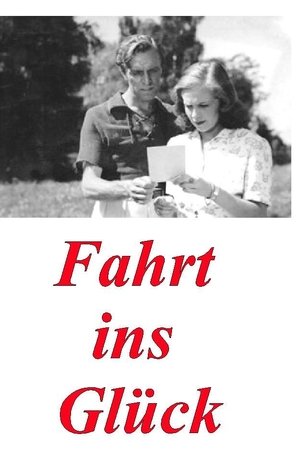


Celia Lövengaart was formerly involved with the theatre and was able to live a carefree life. But now she's in financial difficulties. The court appointed trustee grants her enough money for a trip to Tirol, where she's going to visit her daughter Susanne, who was raised by her grandparents. Susanne is supposed to marry Richard, whom she can't stand and her mother tolerates him even less. Celia wants to help her daughter, but that's easier said than done: Richard knows about her lively past and is blackmailing her to keep her nose out of his affairs. If she doesn't agree to this wedding, he'll tell everything the consul Hoyermann, Susanme's guardian, and there will be a big stink.

Erich Engel
Director


Käthe Dorsch
Celia Loevengaard
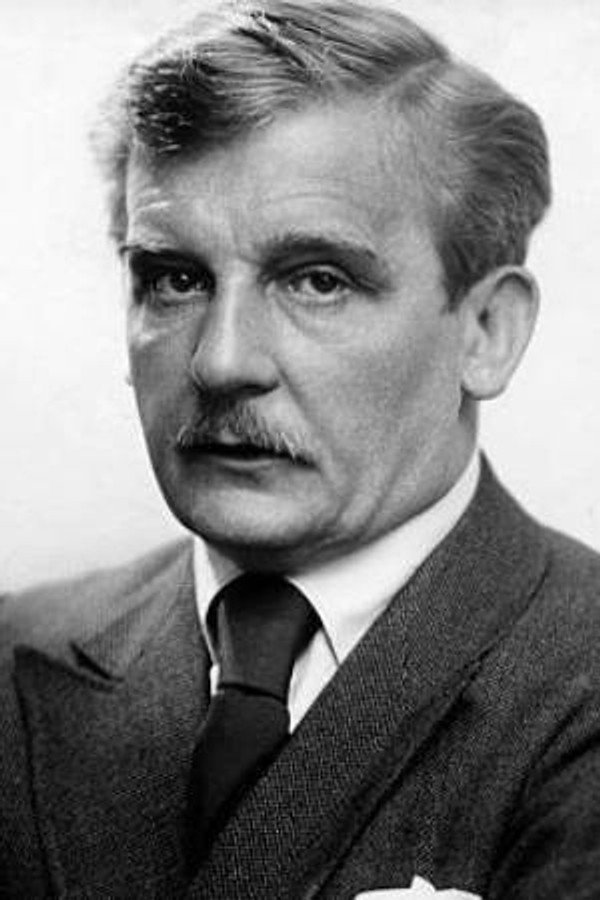
Rudolf Forster
Konsul Hoyermann

Hildegard Knef
Susanne Loevengaard

Gustav Knuth
Holm, Antiquitätenhändler

Werner Fuetterer
Richard Jürgens
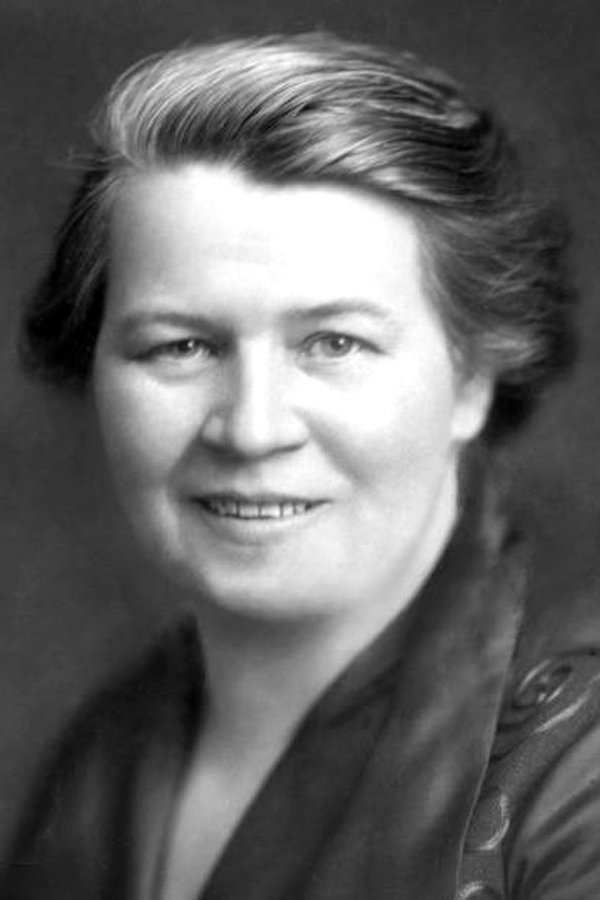
Hedwig Wangel
Großmutter Loevengaard

Ruth Nimbach
Lisette, Hausmädchen
Hellmuth Passarge
Chauffeur
Max Eckard
Fred, Artist

Erich Fiedler
Varietebesucher
Hans Stiebner
Varietebesucher
Films can alleviate alienation by presenting realities where the viewers feelings are shared by onscreen characters. The film 'Shrek' can be interpreted as a transgender story.
What can I say about this Will Ferrell/Julia Louis-Dreyfus-led “dramedy?” Well, the comedy part of Downhill is completely non-existent. And I should have known that the film was a flop when I walked into an empty theater at a prime time on a Friday night.
'Ms. Davis’ Close Friend' will make you think about the meaning of death and what it means to be alive, and if there’s really a race to be run with one's inevitable demise.
Remakes. Reboots. Reinventions. Redundancy. It's the common practice in Hollywood of late, sometimes offering us victorious reimagining of what can be considered cinematic classics while also, more often, falling flat on their UN-imaginative faces in utter defeat and lackluster results. Admittedly, with this in mind, I went into the newest incarnation of "The War of the Roses" with typical trepidation and cautious optimism.
“Ad Astra” is a film that possesses similar beats to sci-fi classics, falling into the realm of cinematic hypnotism, and pulling us in with its mysteriously intoxicating identity.
... La huesera haunts her daily life, leaving people to question her viability as a mother, and Valeria’s lack of satisfaction with her life leave her asking similar questions. These misgivings reach their peak after the baby is born, when Valeria, visibly in a state akin to possession, locks her in the fridge when she won’t stop crying through the night