




The Suicide Squad—An Overlooked and Underrated "Sequel"
Since Season 2 of Peacemaker is currently airing, let’s revisit the movie that started it all.
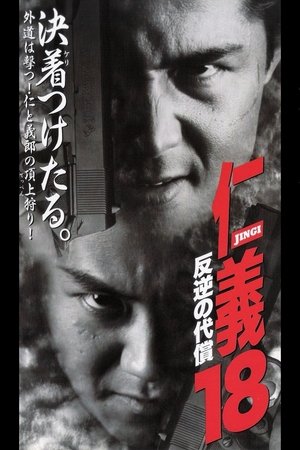


A dispute also occurred at the Hitachi Union, an organization next to the Kanto Ichienkai, to which Hitoshi and Yoshiro belong. It is said that the emerging Komada group is in a state of immediate action aiming at the long-established Fujishiro group's sima. Voices of anxiety began to rise even within the Kanto Ichienkai due to the turmoil of the neighboring organization. And it was also the fear of the Kanto full-scale war that would come if the emerging Komada group won the Hitachi Union. Sakai, the chairman of the Ichienkai, immediately entrusts Yoshiro with the task of collecting the situation and infiltrates the Imamura group, which is a subordinate organization of the Hitachi Union.
Since Season 2 of Peacemaker is currently airing, let’s revisit the movie that started it all.
The director's latest is a dreamlike exploration of a consciousness torn between two homelands, and the implications of history and memory suspended in limbo.
Strangers in a crowd, exchanging glances, looking away, continually managing to run into each other then part ways, end up at the same diner, find they've rented the exact same vehicles, and are then made to travel together to learn once more whether they can both find genuine adoration and companionship again. This really does, in so many words, sum up the foundational gist of of this new feature film from writer Seth Reiss ("The Menu") and director Kogonada ("The Acolyte", "After Yang"). Yet, it's all only the set-up for the REAL wonder of everything that happens before, during, and in the aftermath of a magical, meaningful journey.
Him is visually stunning—all concrete cathedrals and bone-rattling impact shots that look like a nightmare highlight reel. Marlon Wayans is magnetic as this legendary quarterback who's basically selling salvation with a smile that never quite reaches his eyes. But the story keeps running in circles: more tests, more cryptic pep talks, more ritualistic drills. The sports-as-religion metaphor beats you over the head when subtlety would've been more effective. The middle drags, and that finale chooses spectacle over substance. It's undeniably stylish, but left me cold. Also worth noting: despite the Monkeypaw connection, this isn't actually a Jordan Peele film—he didn't write or direct.
We’ve always known that Edgar Wright is a mixologist when it comes to blending sound, light, colour, and texture. This is especially true in the first act of the film. In fact, all of my positive feedback is directed exclusively at the first act of this film.
The Weight is highly recommended, will transport you back to its Great Depression-era setting and will have you rooting for the protagonist harder than most films this year