‘Pariah’ Review: An Important and Untold Story of Identity
'Pariah' tells a powerful, mesmerizing, and unflinchingly honest story of identity.
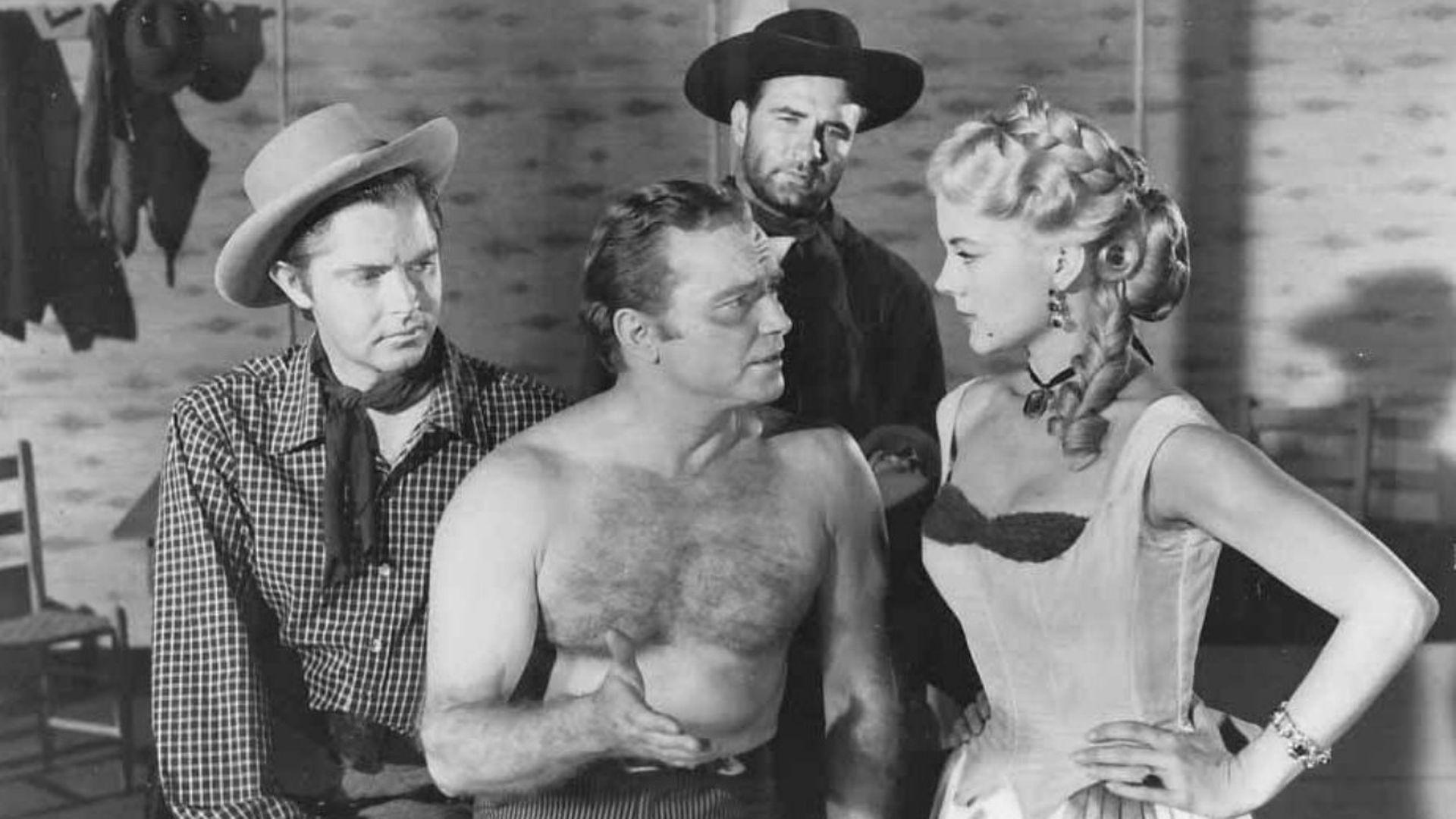
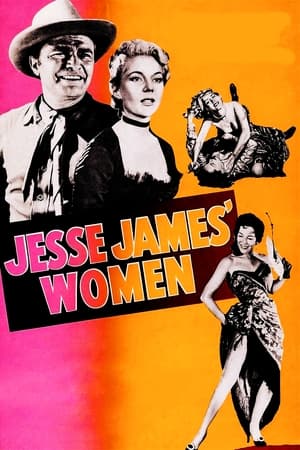


Jesse James leaves Missouri for Mississippi, and immediately charms all the women in Mississippi out of their bloomers and garters. His first conquest is the banker's daughter who helps him loot the bank in exchange for a promise of marriage; he wanders over to the saloon and runs the crooked partner of the proprietress out of town, takes all of his-and-her money and leaves her, between kisses, hounding him for her share; the third one, the saloon singer, actually makes a mark out of him as she cons him into a boxing match against a professional fighter and he loses the fight and his money, but he holds the singer and the fighter up as they leave town and gets his money back; and then he romances and swindles Cattle Kate, a replay of what he had done somewhere before to Kate.
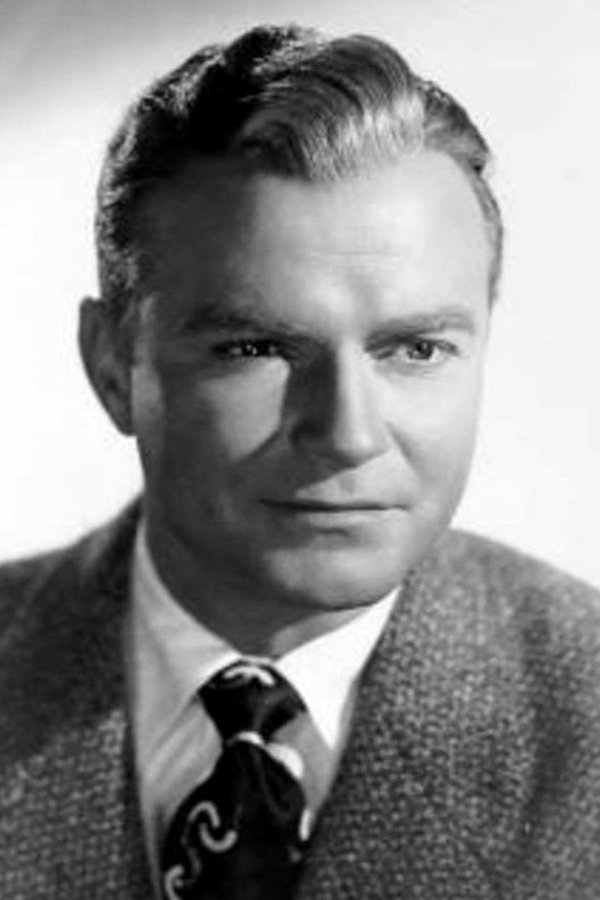
Don 'Red' Barry
Director

Don 'Red' Barry
Jesse James
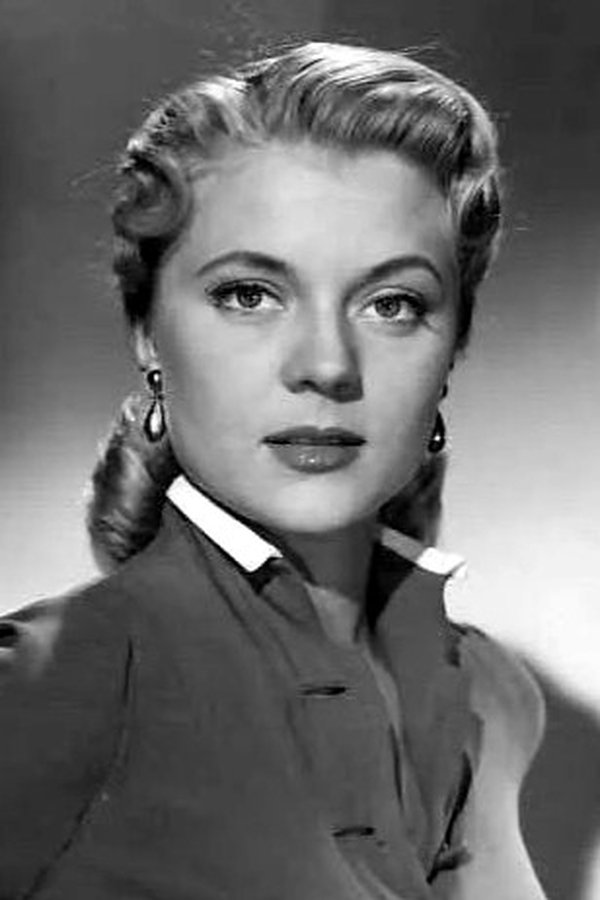
Peggie Castle
Waco Gans
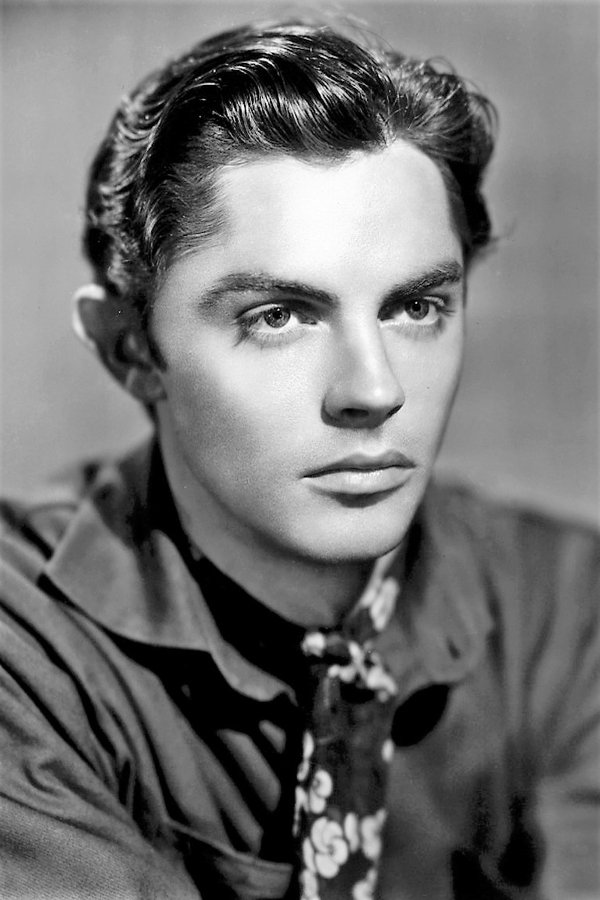
Jack Buetel
Frank James
Sam Keller
Cole Younger
Laura Lea
Angel Botts
Betty Brueck
Cattle Kate Kennedy
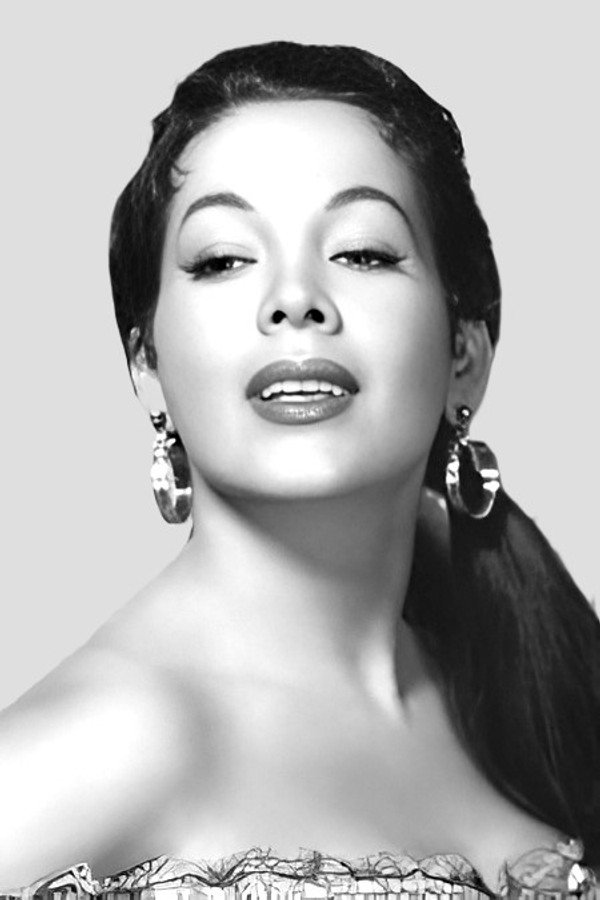
Lita Baron
Delta

Michael Carr
Bob Ford (as Mike Carr)
Joyce Barrett
Caprice Clark (as Joyce Rhed)
Jimmie Hammons
Sheriff Clem Botts
James Clayton
(as Cully Abrell) Cameo Kane
'Pariah' tells a powerful, mesmerizing, and unflinchingly honest story of identity.
Strangers in a crowd, exchanging glances, looking away, continually managing to run into each other then part ways, end up at the same diner, find they've rented the exact same vehicles, and are then made to travel together to learn once more whether they can both find genuine adoration and companionship again. This really does, in so many words, sum up the foundational gist of of this new feature film from writer Seth Reiss ("The Menu") and director Kogonada ("The Acolyte", "After Yang"). Yet, it's all only the set-up for the REAL wonder of everything that happens before, during, and in the aftermath of a magical, meaningful journey.
Not a lot of people realize that being introverted is not always a permanent state of mind. Being considered an introvert by others is a complicated thing; not everyone likes being labelled “shy.”
I have talked with founder of Red Nation Television Network, Joanelle Romero, and the future of Indigenous representation looks bright.
In Saudi Arabia, a little girl (Wadjda) is told she can't have a bike because she's a girl. Wadjda struggles to obtain a bicycle to race her friend, Abdullah, due to the gender inequality and cultural norms of Saudi Arabia.