
“The Social Reckoning” Fails to Reckon with Society
While this film thinks that it is diagnosing the cause, it is merely diagnosing a symptom instead.

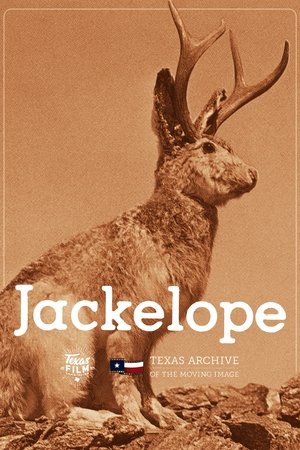


This documentary by independent filmmaker Ken Harrison provides a look into the contemporary Texas art world of the mid-‘70s. Shot in 1975, Jackelope is loosely divided into three segments, each focusing on three young artists: James Surls, George Green, and Bob Wade. The documentary captures each artist in the more casual moments of their lives, capturing their ideas about art, the artistic process, Texas, and other topics in the process.
While this film thinks that it is diagnosing the cause, it is merely diagnosing a symptom instead.
Eddington attempts to capture how media is intertwined with the uncomfortable present.
Holiday hijinks ensue when a recently separated couple are both accidently invited to same holiday celebration.
Mulan had to struggle to feel like herself and see herself properly. Some of us have to strive to have our reflection mimic what’s inside. We have to crawl. We have to fight.
Him is visually stunning—all concrete cathedrals and bone-rattling impact shots that look like a nightmare highlight reel. Marlon Wayans is magnetic as this legendary quarterback who's basically selling salvation with a smile that never quite reaches his eyes. But the story keeps running in circles: more tests, more cryptic pep talks, more ritualistic drills. The sports-as-religion metaphor beats you over the head when subtlety would've been more effective. The middle drags, and that finale chooses spectacle over substance. It's undeniably stylish, but left me cold. Also worth noting: despite the Monkeypaw connection, this isn't actually a Jordan Peele film—he didn't write or direct.
Hours before their line-up of screenings for Trans Awareness Week began, the filmmakers of 'When Men Were Men' chatted with me about the film's personal exploration of masculinity.