

Once Upon a Time in (White) Hollywood
Tarantino's alternative history of the 1960's uncritically repeats the era's sexist and racist stereotypes.
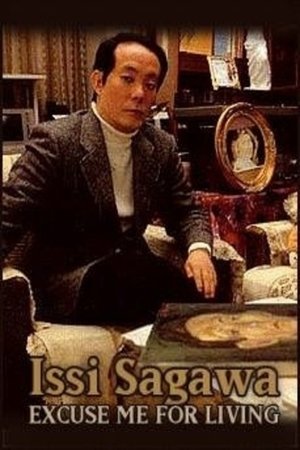


A filmed biography of Issei Sagawa, the Japanese student who shot his Dutch girlfriend, cut her up with a meat carver and boiled the remains. He then ate her. Several months later he was declared insane. While in a psychiatric hospital in France he wrote an account of his crime `In the Fog' which sold 200,000 copies. The French released him in 1984 on the condition that he remained in a mental hospital in Japan. One year later the Japanese hospital released him. Since then he has written five books on crime and is a minor celebrity lionised by the avant garde. Sagawa speaks extensively in the programme and reads passages from his books.
Tarantino's alternative history of the 1960's uncritically repeats the era's sexist and racist stereotypes.
A bumpy journey about revolution and family makes us feel fear, disgust, humor, and satisfaction.
Amanda Riley gets the opportunity to travel to Vietnam for the experience of a lifetime.
Writing great villains is about striking a balance between charming and evil, so we love them but also love to see them lose.
As an Indian lesbian living in the United Kingdom, the cards are stacked against Geetika from the start.