
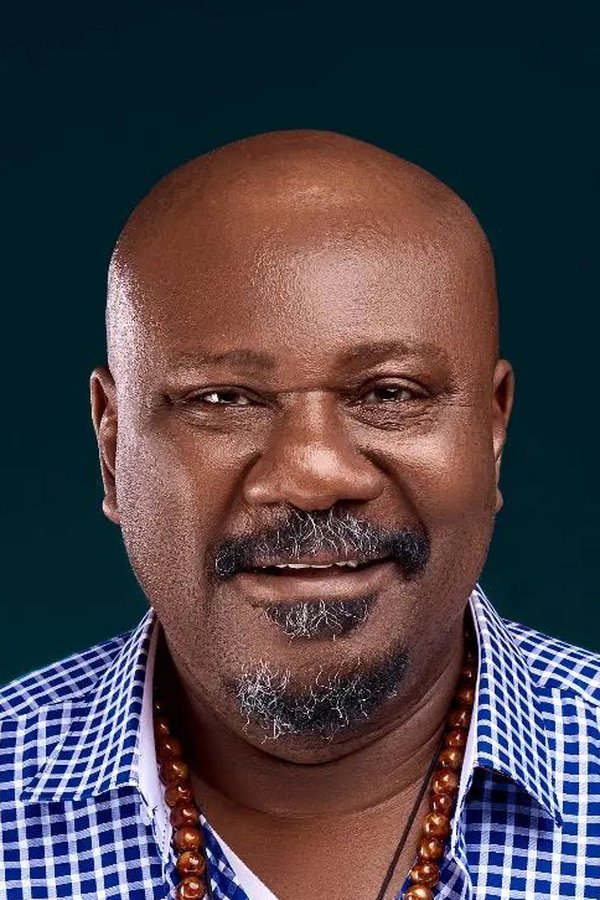
“The Boys in the Band”
With a cast of exceptional and exclusively openly gay actors, "Boys In The Band" takes on themes of homophobia, racism, vanity, and substance abuse.



The township is at a gripping abruption. Lawlessness has permeated through the political and social systems. Corruption has overridden the smallest remaining iota of righteousness with the under privileged at its messy. Who dares stand up to stop the derailing system? A prompt restoration of orderliness and sanity is required, and such radical action requires the presence of an astute neighborhood vigilante group, the ISSAKABA.
With a cast of exceptional and exclusively openly gay actors, "Boys In The Band" takes on themes of homophobia, racism, vanity, and substance abuse.
How closely does an actor need to resemble a character or historical figure in order to portray them on the Silver Screen? Seems to depend on color.
The “gay best friend”, an age-old trope, has been done in countless films and television series. Ranging from one-note (Sex and the City's Stanford and Mario) to nuanced (Unbreakable Kimmy Schmidt's Tituss), the gay best friend exists to support and advise the main protagonist, with their conflicts swept to the side.
There’s enough evidence to insinuate that What We Do in the Shadows is intentionally queer-coded.
While Peter’s heroics might have been a bit unrealistic at times due to his lack of experience, I will always support the civilian taking down the establishment.
An Indonesian film that brings strong representation of Asian descent in this heart-warming tale of a woman and her dog.