








The Women and the Murderer: Made by Women for Women
In The Women and the Murderer, directors Mona Achache and Patricia Tourancheau center women—the very demographic true crime is designed to appeal to.
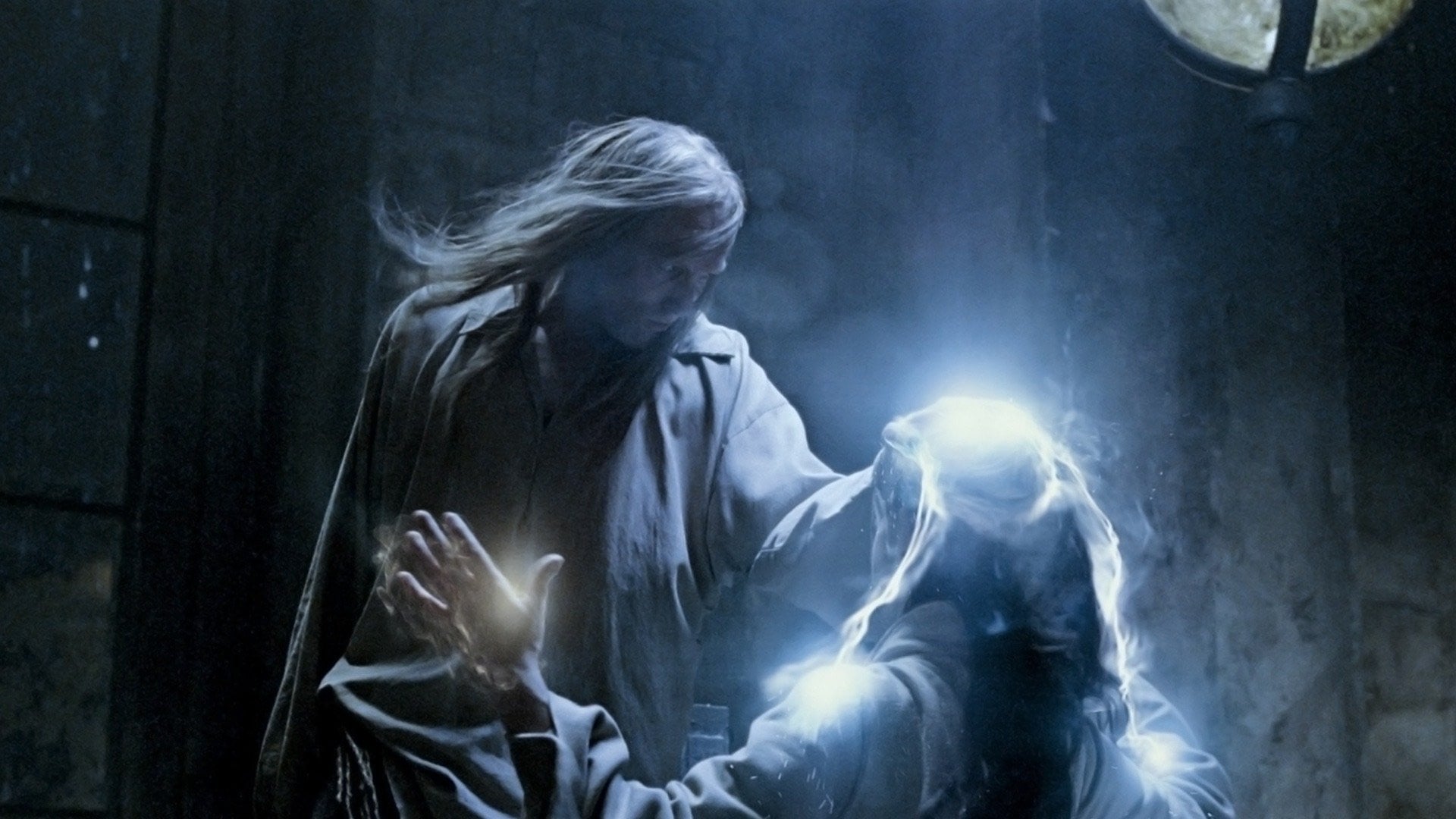
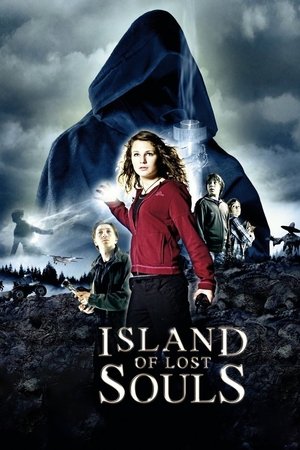


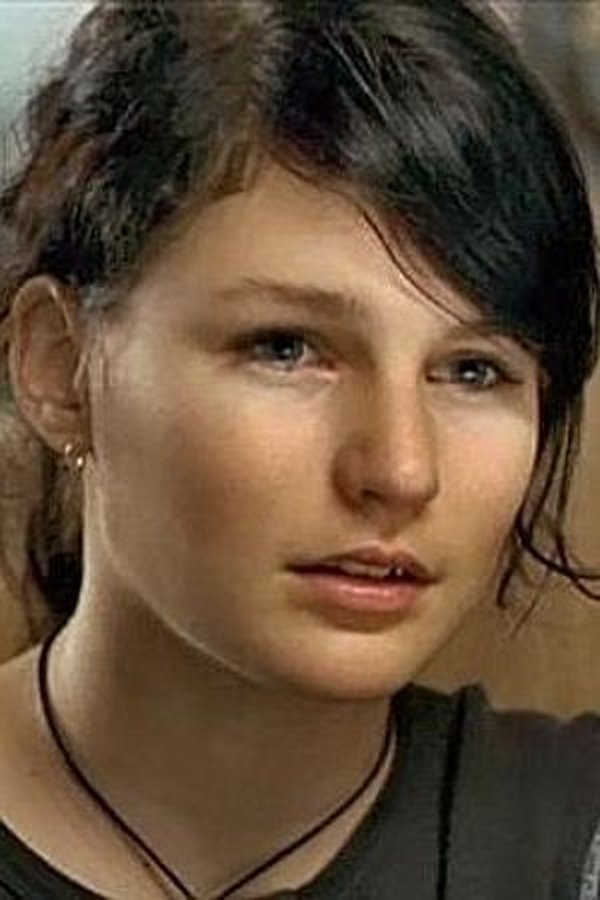
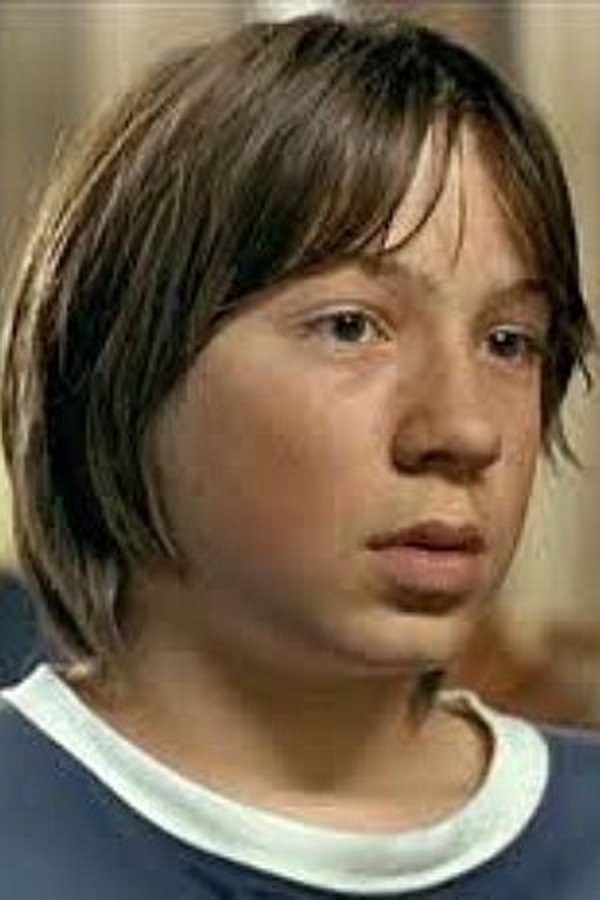
14-year-old Lulu moves to a small provincial town with her mother and younger brother. One night, her brother is struck by a beam of white light - actually the spirit of Herman Hartmann from the 19th-century. To her despair, Lulu realizes that Herman has possessed her brother, and the two of them are whirled into a fevered adventure.
In The Women and the Murderer, directors Mona Achache and Patricia Tourancheau center women—the very demographic true crime is designed to appeal to.
The Slumber Party Massacre wonderfully combines the suspense of its horror with its commentary on gender, creating a memorable slasher classic that began a horror trilogy entirely written and directed by women.
“To be universal, you have to get specific”: while the film does not attempt to provoke discussions about queerness or race, those watching closely may find something resonant in Sorrentino’s love letter to the Naples of his youth.
The film does not add anything to its own conversation or genre, and falls flat once it’s about to end and must declare some sort of conclusion.
The importance of trying new things and teamwork are two life lessons explored in this family-friendly sports film.
“Candyman ain't a 'he.’ Candyman is the whole damn hive." Candyman represents all Black victims of white supremacy, and this art form narratively conveys it in a succinct, adulatory way, the history of which is rare to find.