
Growing Fangs: How "Ginger Snaps" Ties Puberty to Werewolves
John Fawcett’s "Ginger Snaps" intertwines the lore of the werewolf to the hellish experience of a young girl going through puberty.
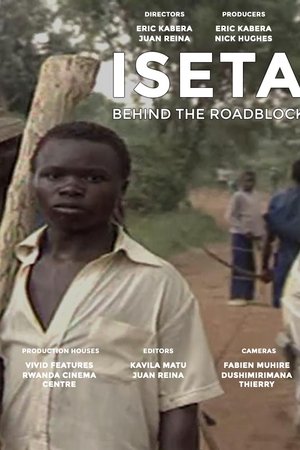


During April 1994, on quiet road in Kigali a group of neighbors in Rwanda were filmed. This was the opening days of the Rwandan Genocide, and even though almost one million people were slaughtered, remarkably there is only one known segment of footage showing any actual killing. This movie is about the extraordinary journey of that evidence as the original photographer returns to Rwanda, revisiting the people and events that he by chance caught on film. As the footage returns to the community, friends and family relive the tragic events as they work with the photographer to identify the victims, and then eventually the killers.
John Fawcett’s "Ginger Snaps" intertwines the lore of the werewolf to the hellish experience of a young girl going through puberty.
An Indonesian film that brings strong representation of Asian descent in this heart-warming tale of a woman and her dog.
With raw and unapologetic performances by Viola Davis and Chadwick Boseman, stories about the hardships of Black musicians are weaved in with The Blues.
Many call 'Tragedy Girls' a modern-day 'Heathers', and I do see the resemblance. The film asks the same question that all teenagers suffer with: who am I? Well, the movie answers this — you are your online presence.
The “gay best friend”, an age-old trope, has been done in countless films and television series. Ranging from one-note (Sex and the City's Stanford and Mario) to nuanced (Unbreakable Kimmy Schmidt's Tituss), the gay best friend exists to support and advise the main protagonist, with their conflicts swept to the side.
'Selena: The Series' loses sight of the story's heart: Selena herself.