
Gus Van Sant's Constant Thematic and Cinematic Elements
The differences in these films could not be more blatant, and yet Gus Van Sant has found a way to portray the same messages and use the same techniques in each.
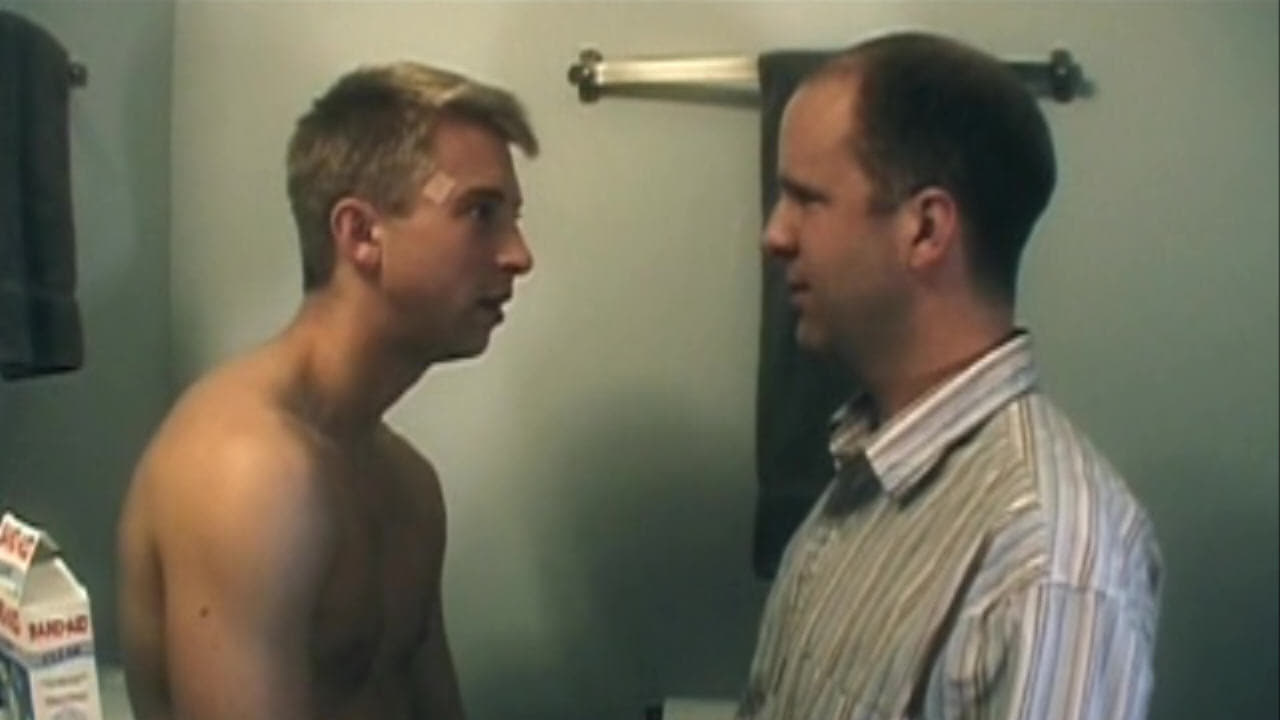
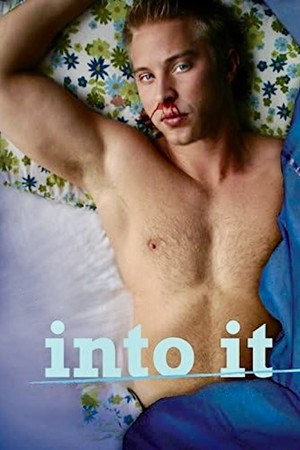


Chicago filmmaker Jeffrey Maccubbin's newest work looks deeply into how two men strive to find peace with their innermost demons. Simon is a hustler caught in the underbelly of queer culture. Late one night Simon slips on the ice that throws him into the arms of Evan, the host of a cable show who suffers from Tourette's Syndrome. After a night of unbridled sex, Simon realizes that Evan's ticks have subsided. He believes that he is meant to save Evan from his afflictions, leading them to unabashedly dive into a sado-masochistic relationship. Simon basks in a world where sadness and depression have become his new turn on and where his emotional destruction is the only true way to give Evan his soul.
The differences in these films could not be more blatant, and yet Gus Van Sant has found a way to portray the same messages and use the same techniques in each.
In 1983, V first debuted as a mini-series. It chronicled the story of alien visitors who arrive on Earth in motherships; they look like us, they talk like us, and they say they are of peace
When you think of the horror genre, the LGBTQ+ community is probably one of the last things you think of. However, horror is much more queer-coded than you may think.
I’m still trying to comprehend the psychological and moral implications of their fascination with each other, or why their almost written-in-the-stars depth of connection makes so much sense.
The most divisive character in Multiverse of Madness is undoubtedly Wanda Maximoff. Is she good or evil? Is she "unlikeable?" I'm tired of the debate. I love Wanda because she's for us—she's for the women.
A legacy based on the comic strip for old and new fans of Peanuts.