


Halt and Catch Fire's Trailblazing Queer Representation
It was always people for Joe, and he ultimately found them at the end of a long, painful, yet illuminating quest for self-discovery outside of one, confident constant - his bisexuality.
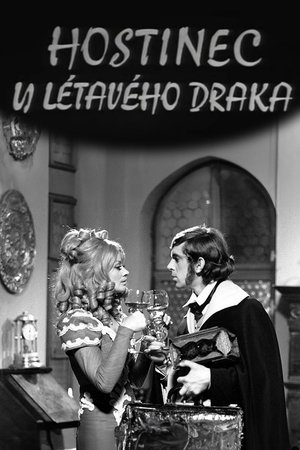


Joseph Sheridan le Fanu's tale, "Inn at the Flying Dragon," brings dark fantasy, ghostly apparitions, and mysteries to the TV screen. It's part of his well-known collection, "The Dark Mirror," published a century ago, yet still captivating readers today. Bohumila Zelenková drew inspiration from this novella, not just for its mysterious and romantic elements but also for the characters' intriguing portrayal of the post-Napoleon era—a time when many sought greatness, even if it meant embracing deception.
It was always people for Joe, and he ultimately found them at the end of a long, painful, yet illuminating quest for self-discovery outside of one, confident constant - his bisexuality.
The movie opens with an empty house, cameras pan around from the perspective of what viewers are confused about at first, but turns out to be a spirit living in the home.
The more we learned with each passing minute the bigger the reveal. This film ends with a serious bang and it was truly a joy to watch.
After the untimely death of his brother by way of an ambush in Kandahar, Afghanistan, the protagonist, ‘81’(Alan Ritchson) unsuccessfully makes several attempts to become an Army Ranger. On his last mission to complete the Ranger selection process he and his squad encounter an otherworldly ‘soldier’.
Keep scrolling to find names that should become part of your watchlist!
For the most part, 'Sweet Girl' recycles tired hyper masculine revenge tropes, but a surprise twist in the end turns it into a female-centric revenge film.