9 More Women in Comedy to Watch This Women’s History Month
This list was made with the intention of celebrating the craft. I love seeing more women of colour on this list than before and more newcomers on the scene as well!



The story begins in March of 1968, the days of students protests. A hot- headed student protests the Dean's decision to expell a fellow student on fake accusation charges, upon which he drops out of university rather than make a compromise. He loses everything in the process: his girlfriend, housing privileges - he becomes a coal deliverer. On the job he witnesses an accident that causes death of a fellow worker. He decides to write a story, which is good and a publishing house wants to print it, but only after some corrections are made. He refuses again and the story is not printed. Finally, a story is commercialized and made into a succesful film and brings fame to the original author.

Janusz Kijowski
Director


Ewa Żukowska
Maria
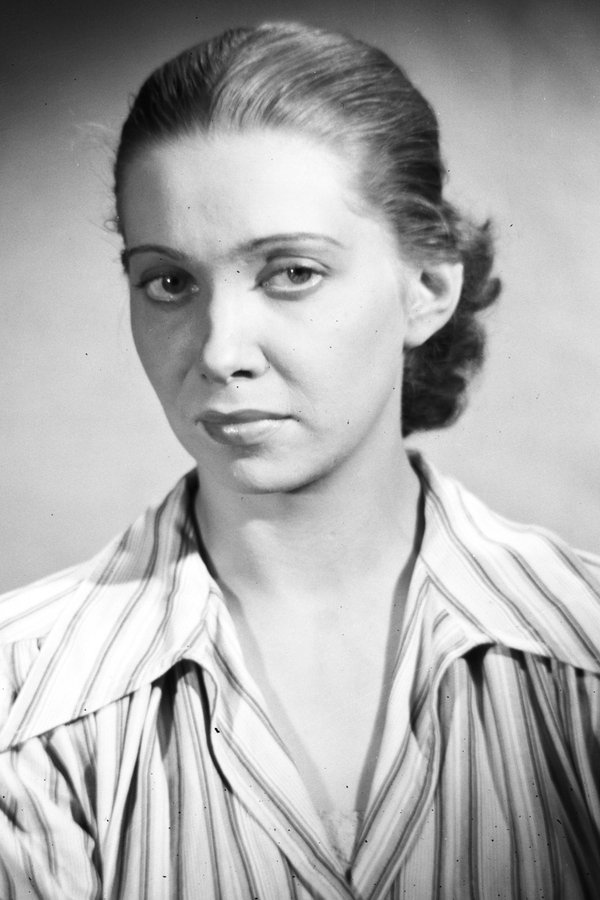
Wiesława Mazurkiewicz
Matka Marii

Jan Machulski
Ojciec Andrzeja
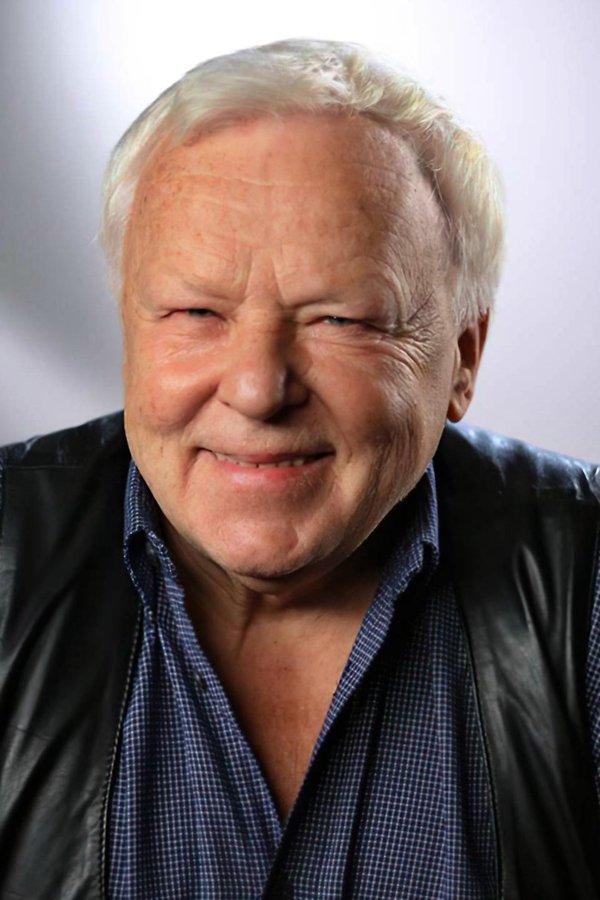
Marian Opania
Redaktor naczelny

Jerzy Duszyński
Stryj Karol

Krzysztof Zaleski
Józef Moneta

Małgorzata Wiśniewska-Niemirska
Anna, żona stryja Karola

Tadeusz Bogucki
ojciec Monety

Włodzimierz Gołaszewski
student

Ryszard Ronczewski
wozak Wiktor

Juliusz Machulski
uczeń Monety
This list was made with the intention of celebrating the craft. I love seeing more women of colour on this list than before and more newcomers on the scene as well!
With The Father, writer-director Florian Zeller- who wrote and developed the play upon which the film is based- pulls no punches as he confidently makes every effort to put the audience in the mind of someone whose grip on reality has all but vanished. It’s a dazzling testament to Zeller’s abilities as a director as he makes his first transition from stage to film appear as if he’s been working behind a camera his entire career. The dialogue he fashions with co-writer Christopher Hampton, along with the work of production designers Peter Francis and Cathy Featherstone, collectively makes the downward spiral of dementia startlingly tangible, doing so in a way that can be comprehended by everyone except the person it directly affects.
The coming-of-age story that brings viewers into the world of Broadway, New York City, with musical talent and LGBTQ leads.
You can’t talk to my grandpa about The Sopranos. You can’t talk to him about The Godfather either. Merely by bringing up the subject, you’d be treated to a lecture on how movies and TV want you to believe that all Italians are criminals and mobsters. He won’t watch any of it, in protest.
"Ladies First" has a fundamental misunderstanding of what's feminine because of the patriarchy and what women do because they genuinely enjoy it.
"The Mitchells vs. The Machines" captures the eternal struggle between kids who want to pursue the arts and their practical parents who think they'll fail.