The Skeleton In The Closet: 8 LGBTQ+ Horror Films Claiming The Genre
When you think of the horror genre, the LGBTQ+ community is probably one of the last things you think of. However, horror is much more queer-coded than you may think.
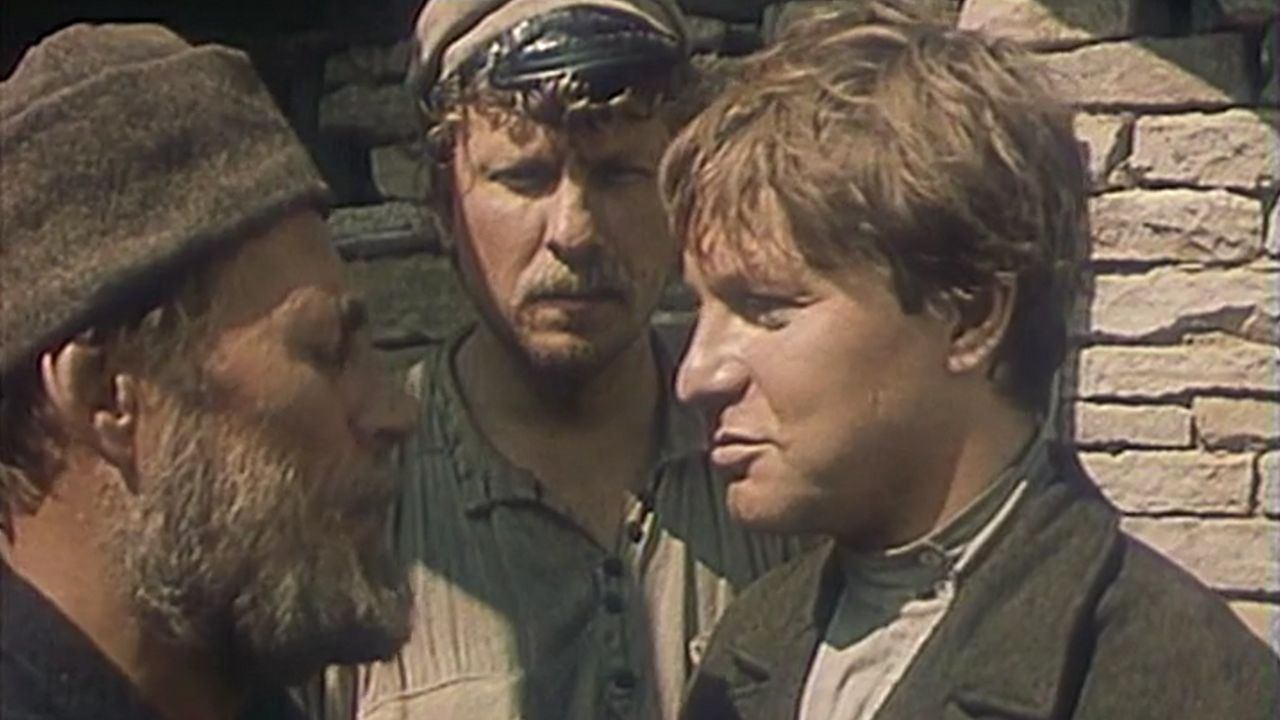



1918. A Red Army soldier Fyodor Krohov, authorized to withdraw farmers corn surpluses, comes to a small village, where White Guard can show up any day. He must persuade peasants to hand over the surpluses. But men are hesitating, some lend an ear to a wealthy peasant Mokey Zhlobin, unwilling to give away his hided corn. The only one person, backing up Fyodor is a local self-made inventor, living in the outskirts with his beloved beauty-wife, having equipped his house with electricity, power-saw bench and other gimmicks. The inventor takes him as a close friend and his young wife falls in love with Fyodor. The love triangle appears, but their ideals are above all. Together they manage to find the hidden corn and survive in uneven battle with bandits who rushed into a village.

Vladimir Khotinenko
Director


Sergey Koltakov
Федор Крохов, красноармеец

Viktor Smirnov
Григорий

Natalya Akimova
Анна Петровна

Ivan Agafonov
Мокий Кузьмич Жлобин

Sergei Parshin
Митрий Хромов

Sergey Garmash
Серёга

Sergey Vlasov
сын Жлобина

Aleksey Maslov
белый офицер

Nikolai Karnaukhov
Шаповалов

Andrey Dudarenko
Васюгин

Valery Lysenkov
Евсей, батрак Жлобина
When you think of the horror genre, the LGBTQ+ community is probably one of the last things you think of. However, horror is much more queer-coded than you may think.
WandaVision is already proving to be a huge success.
Although bogged down by a slow pace and moralistic intent, ‘Deadly Garage Sale’ (2022) makes the most of its silly and nonsensical premise.
“There’s always something you can do…to make people feel like they’re welcome”
World-famous drag queen Trixie Mattel shares a year of her life with the world in this vulnerable and uplifting documentary.
Rip Tide is a coming-of-age film that teaches viewers about finding yourself and reconnecting with surroundings.