Twin Peaks: Why LGBTQ Ally Depiction is Crucial
Portraying how easy it is to be an ally heavily benefits the majority audience. The more we encourage it, normalize it, and give people the tools to become one, the sooner we can co-exist peacefully.



Ionut and Mariana will get married soon. It's time to meet their families and to plot the happy event. In-laws seem to understand perfectly: passion for TV series unites luxury, Romanian music of the '80s and brandy. Especially brandy. As the bottles are emptied, misunderstandings begin to appear. Three couples, three visions on marriage: fast and opulence (with white doves and Holograf Fuego), traditional wedding (with musicians and tent), or a youthful? Different options, different camps. No one fails. Moreover, the two parents-in-law remember that they met once, 25 years ago. They were in different camps. Now that miraculously brought back to life to face. Follow great challenge. It takes a miracle that this wedding is to be held.

Radu Potcoavă
Director

Mircea Diaconu
Ştefan Vrânceanu

Paul Ipate
Ionuţ Ungureanu
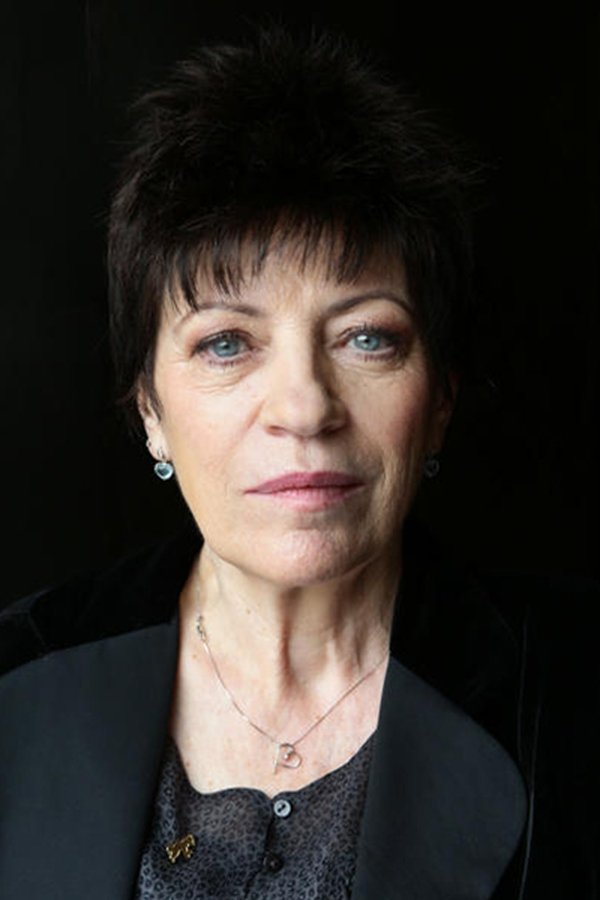
Luminița Gheorghiu
Suzana Vrânceanu

Ioana Blaj
Mariana Vrânceanu

Marian Rîlea
Ionel Ungureanu
Gabriela Popescu
Alice Ungureanu

Sergiu Costache
Lucian Popoiu

Ana Adelaida Perjoiu
Monica
Ștefania Zmău
Miruna Bonetti
Ana Adelaida Perjoiu
Monica Bonetti

Ada Galeș
TV Reporter
Portraying how easy it is to be an ally heavily benefits the majority audience. The more we encourage it, normalize it, and give people the tools to become one, the sooner we can co-exist peacefully.
Like Stars on Earth is a representative movie that talks about dyslexia to young audiences and why it is important in today's generation.
With The Father, writer-director Florian Zeller- who wrote and developed the play upon which the film is based- pulls no punches as he confidently makes every effort to put the audience in the mind of someone whose grip on reality has all but vanished. It’s a dazzling testament to Zeller’s abilities as a director as he makes his first transition from stage to film appear as if he’s been working behind a camera his entire career. The dialogue he fashions with co-writer Christopher Hampton, along with the work of production designers Peter Francis and Cathy Featherstone, collectively makes the downward spiral of dementia startlingly tangible, doing so in a way that can be comprehended by everyone except the person it directly affects.
True crime media is notoriously obsessed with the “missing white woman” trope, and yet the vast majority of American murder victims are male, and well over half are people of color.
The Flounders are back in this sequel that takes place one year after the events of 'Malibu Rescue'.
Turning Red' has received hate for being 'unrelatable' while dealing with one of the most human experiences. Despite the Turning Red controversy that it's unrelatable, it is yet another Pixar classic that will inevitably stand the test of time.