





A Queer Review of the Austin Film Festival (2023)
Highlighting the many ways in which AFF 2023 illustrated that the queer experience is not a monolithic one.
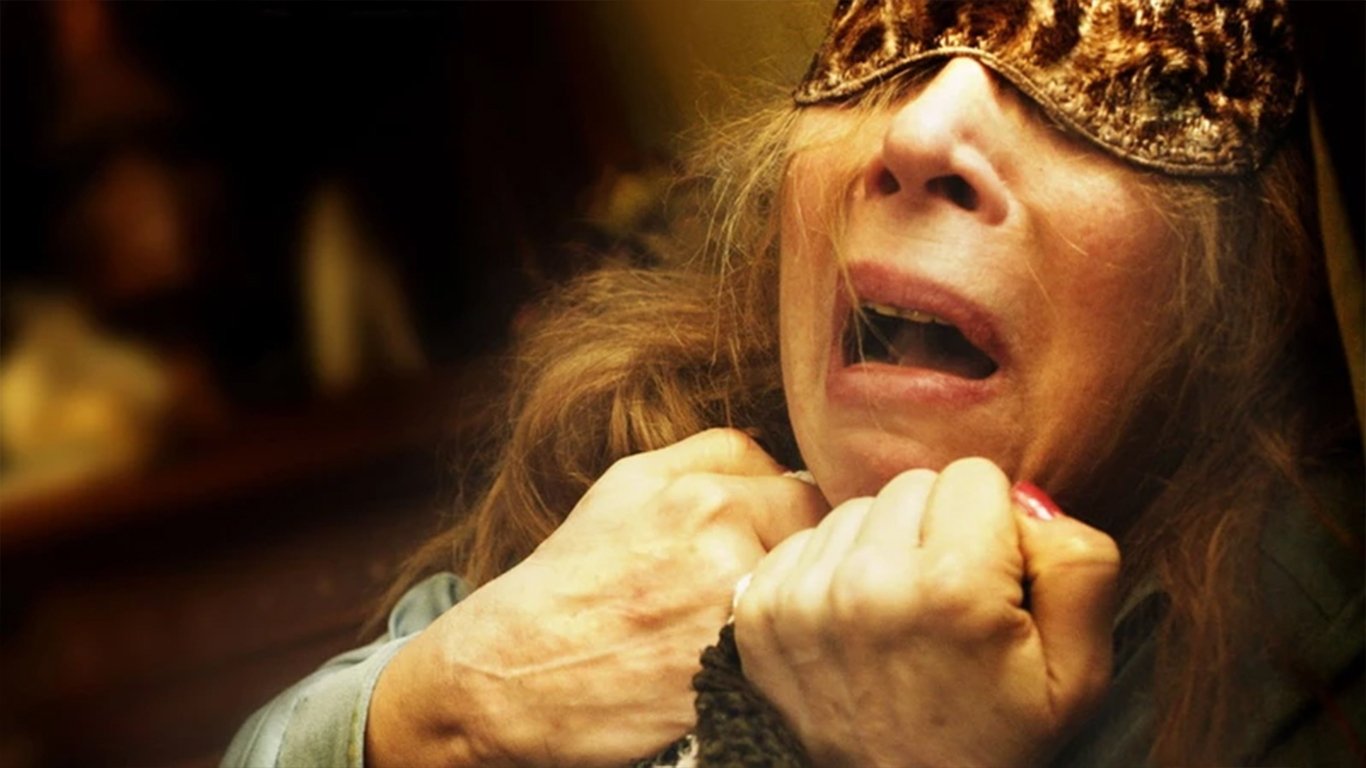



A drama-thriller centered on an advertising agency employee for whom work is an outlet from his life under his overbearing mother's roof.
Highlighting the many ways in which AFF 2023 illustrated that the queer experience is not a monolithic one.
Welcome to a special episode of the Incluvie Movie Highlights. This summer we held the Incluvie Short Film Festival. The film festival discovers and brings to light some outstanding short films starring main characters from diverse backgrounds, who are often overlooked in Hollywood. The filmmakers and actors from the 3 winning films came in and talked about their process and what it was like to make the film.
While Peter’s heroics might have been a bit unrealistic at times due to his lack of experience, I will always support the civilian taking down the establishment.
Hitchcock is no stranger to innuendo, as was common in that era, but there was something so sophisticated about his approach to 'Rope', and it starts in the first frame.
Throughout the film, Kate desperately tries keeping her status as an influential YouTuber; however, her follower and view count crumble, mirroring the world around her.
Moonlight is a film that will certainly be remembered for how it won Best Picture, but the movie itself should be known for its excellent representation of one of the most underrepresented groups in film: Black, gay men.