

Freakier Friday: Maybe It Was Freaky Enough the First Time?
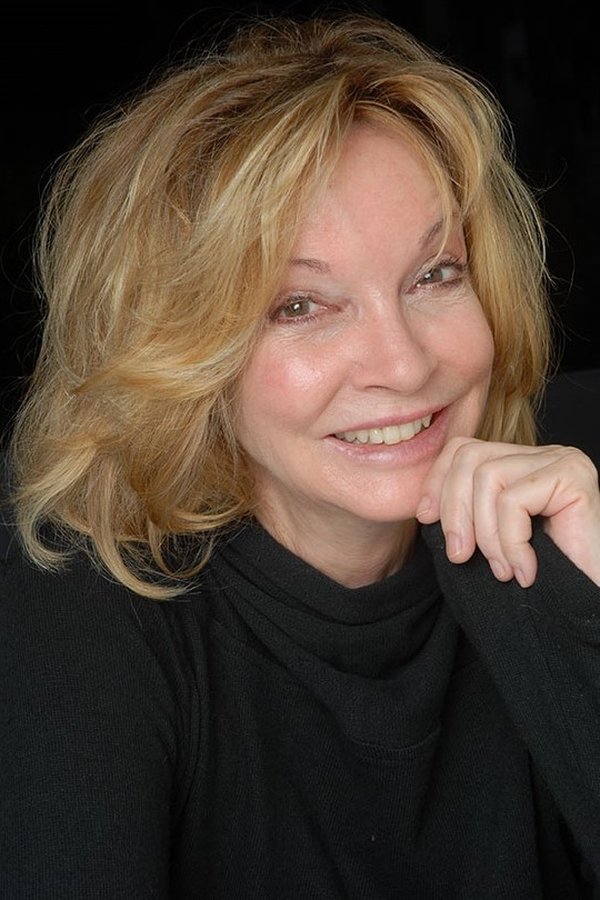
If a movie about a strange and crazy day is commercially successful, why not recycle it and double the kookiness quotient? That seems to be the logic behind this followup to Freaky Friday.
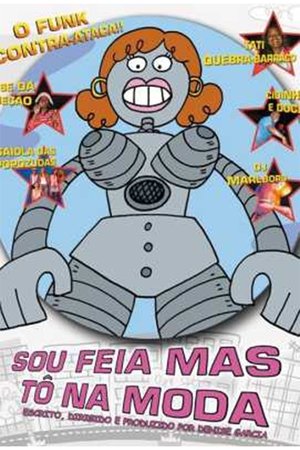


Documentary about the musical and social phenomenon of Brazilian funk (or Carioca Funk), a style derived from Miami Bass, based on repetitive bass drum loops and lyrics full of sexual and violent overtones, not directly related to American funk/soul music. This style emerged in the slums and poor neighborhoods of Rio de Janeiro, and is deeply associated with the lower social classes, but is gradually being accepted on higher social circles. The film is specially interested in women's participation, focusing on its major female stars.
If a movie about a strange and crazy day is commercially successful, why not recycle it and double the kookiness quotient? That seems to be the logic behind this followup to Freaky Friday.
'The Suicide Squad' is at its best when it focuses on its characters and commentary on real-life issues, but stumbles when it relies too heavily on gratuitous gore and insensitive humor.
Avatar: The Last Airbender's success fifteen years after its premiere proves the enduring power of its storytelling. But it's more than just a quality show.
The development of existing characters and the addition of some new ones have surely placed 'Ted Lasso' on some sort of an Incluvie A-OK list.
Considering the runtime, I expected each scene to hit harder as opposed to a series of montages and vignettes.
With The Father, writer-director Florian Zeller- who wrote and developed the play upon which the film is based- pulls no punches as he confidently makes every effort to put the audience in the mind of someone whose grip on reality has all but vanished. It’s a dazzling testament to Zeller’s abilities as a director as he makes his first transition from stage to film appear as if he’s been working behind a camera his entire career. The dialogue he fashions with co-writer Christopher Hampton, along with the work of production designers Peter Francis and Cathy Featherstone, collectively makes the downward spiral of dementia startlingly tangible, doing so in a way that can be comprehended by everyone except the person it directly affects.