







Incluvie – Better diversity in movies.
Identity in film with Incluvie stamps, scores, reviews.

Incluvie – Better diversity in movies.
Explore identity in film with Incluvie stamps, scores, reviews, and insights.

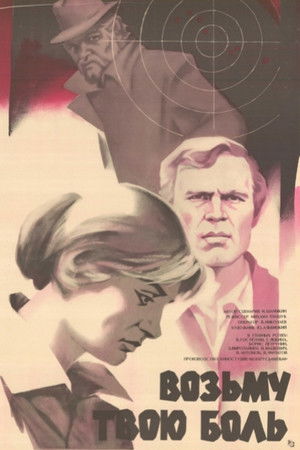
I'll Take Your Pain poster

I'll Take Your Pain 

After a long prison sentence, former Nazi collaborator Shishkovich returns to the village, guilty of the deaths of his fellow villagers. Ivan, whose sister and mother were killed, cannot calmly accept his return.
- / 5
PopScore
Representation

Pictures and Videos


Incluvie Gala

Movie Information


After a long prison sentence, former Nazi collaborator Shishkovich returns to the village, guilty of the deaths of his fellow villagers. Ivan, whose sister and mother were killed, cannot calmly accept his return.

Rating:
Genre:Drama, War
Directed By:Mikhail Ptashuk
Written By:Ivan Shamyakin
In Theaters:
Box Office:

Runtime:86 minutes
Studio:Belarusfilm

Articles You May Like


"She Rides Shotgun" — A Gritty, Heartbreaking Father-Daughter Thriller

Nick Rowland’s She Rides Shotgun is a blistering, blood-soaked road thriller that doubles as a bruised love story between a haunted ex-con (a career-best Taron Egerton) and the daughter he barely knows (astonishing newcomer Ana Sophia Heger). Fueled by white-knuckle chases, razor-tense shootouts, and quiet moments of aching tenderness, the film captures both the terror and fragile beauty of survival. It’s gritty, heartbreaking, and unforgettable—a father-daughter odyssey destined to leave audiences shaken.

Nilufer Ozmekik

Y tu Mamá También: A Profound Exploration of Mexican Society and Self-Discovery

Years before Mexican director, Alfonso Cuaron, was winning Academy Awards for movies like Gravity (2013) and Roma(2018), he directed a small, intimate film about two best friends who decide to embark on an improvised road trip to spend time with an older, attractive woman who miraculously agrees to go with them. Y tu Mamá También is a deep journey into the raw sexuality and friendship of the young protagonists, as well as a subtle social and political commentary on Mexico at the time.

Raul Flores