


The Lack of Exposition Makes 'Fast Color' a Compelling Narrative on Repressed Personalities
That feeling in your gut which tells you that there’s something out there you should look for and make your own, is what the power represents

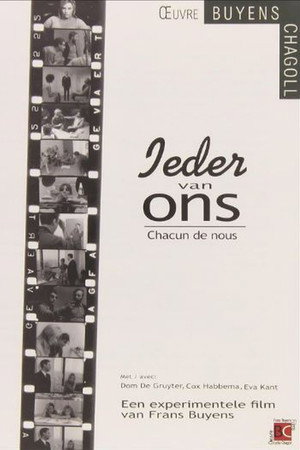


The deeply socially engaged documentary filmmaker Frans Buyens had long dreamed of making the transition to fiction filmmaking. The experimental Ieder van Ons was a first attempt in that direction. In essence, it was an inquiry film shot in a cinéma vérité style about appearance and reality in social commitment. With Ieder van Ons, Buyens wanted to jolt the viewer’s conscience and make them aware of the duty to face the truth and to act accordingly. To achieve this, he combined a fictional plot with documentary scenes. On the one hand, the film contains acted sequences about the awakening conscience of a ruthless political figure; on the other hand, Buyens himself appears before the camera to introduce several actors, their characters, and the situations in which they are about to become involved.
That feeling in your gut which tells you that there’s something out there you should look for and make your own, is what the power represents
The movie opens with an empty house, cameras pan around from the perspective of what viewers are confused about at first, but turns out to be a spirit living in the home.
This live-action Barbie movie brings strong feminism and topics about blondes.
Coverage from the Austin Film Festival, highlighting some panels and films that emphasized the importance of diverse and inclusive storytelling.
A thief and street dog named Roger has to work with other pets to take down the evil Mayor Frank Stone when he plans to destroy Robo City.
Every movement becomes a question of identity. To become who we are meant to be. In order to reach that we often have to shed who we once were, and that shedding can sometimes be so brutal it’s ungraceful.