


Incluvie – Better diversity in movies.
Identity in film with Incluvie stamps, scores, reviews.

Incluvie – Better diversity in movies.
Explore identity in film with Incluvie stamps, scores, reviews, and insights.

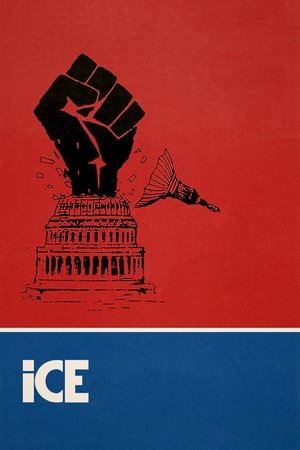
Ice poster

Ice (1970)

An underground revolutionary group struggles against internal strife to stage urban guerilla attacks against a fictionalized fascist regime in the United States. Interspersed throughout the narrative are rhetorical sequences that explain the philosophy of radical action and restrain the melodrama inherent in the thriller genre.
- / 5
PopScore
Representation

Pictures and Videos


Incluvie Gala

Movie Information


An underground revolutionary group struggles against internal strife to stage urban guerilla attacks against a fictionalized fascist regime in the United States. Interspersed throughout the narrative are rhetorical sequences that explain the philosophy of radical action and restrain the melodrama inherent in the thriller genre.

Rating:NR
Genre:Drama, Thriller
Directed By:Robert Kramer
Written By:Robert Kramer
In Theaters:10/15/1970
Box Office:

Runtime:133 minutes
Studio:AFI, Monument Film Corp.

Articles You May Like


Short Film Review “Marque Dos” A quick, charmingly humorous, but dramatically potent view of holding fast to dual identities and embracing your heritage

Striving for validation. Let’s be frank….we ALL want to be successful. Whatever we put our efforts into, ideally it is to make it culminate in the best possible results across the board, especially when it comes to what career path we are pursuing. We WANT to excel, to shine, to advance, to be acknowledged. AND…let’s hope that we also wish to better everyone around us to boot. However, what occurs when those whom we initially put our trust in suddenly become a burden instead of a boon? Do we falter under the weight of rejection? Or STAND UP for WHO WE ARE?

Kirk Fernwood

The Rise of a Kindhearted Comedy Hero: The Anti-Toxic Masculinity Message of Brendan Fraser Films

Throughout Brendan Fraser’s career, he has played a plethora of unique, layered characters who explore the importance of not being afraid to display your emotions, something that is often seen to not be a masculine trait. This idea of regulating emotion and what traits men are able to possess creates a toxic atmosphere for men who are often told they should not cry or represent their emotions in any physical way. These characters represent that men can be joyful, emotionally conscious, and sensitive, while also representing their masculine identity instead of painting those qualities as fighting against their masculinity.

Amanda Mazzillo