







The Blues, and Two Contradictory Films That Claim It
Crossroads follows a young guitarist on a journey through the American South in search of blues history and his own voice.
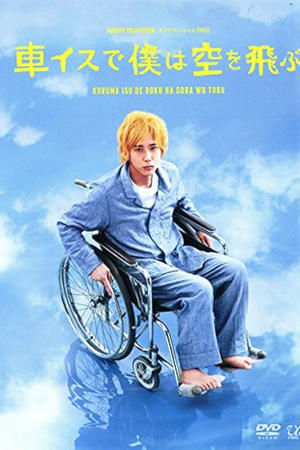


(I will Soar to the Skies in my Wheelchair ) Hasebe Yasuyuki is living his life carelessly alone in his apartment, until one day, he jumps from the top of a building escaping a street gang and injures his spinal cord. And the doctor tells him that he can't walk anymore. His mother, Haruko, hurries to the hospital for her son, however Yasuyuki is on bad terms with her, so he asks her to leave him alone. There he meets an ill kid in the hospital named Ishii Daisuke who is living his life positively, and the store staff Katou Kumi, who always smiles even though she had a sad past. He gains confidence and decides to start his rehabilitation. After Yasuyuki is discharged from the hospital, he starts relying on everybody everywhere, so he falls into despair and starts thinking of committing suicide seeing no future for himself.
Crossroads follows a young guitarist on a journey through the American South in search of blues history and his own voice.
If you want to feel the rush, you have to take the risk.
Everyone needs a BFF and a "wing person" like Yumi (Chloris Li). Li brings the "straight person" persona, literally and figuratively balancing James Aaron Oh's perfectly timed comedic delivery as the unlucky-in-love.
Complex relationships between mothers and daughters are far from a new concept, whether the strain comes from abandonment, beliefs, or trauma. In My Only Wish, an Incluvie Film Festival submission, Brenda Gutierrez’s take on her character’s maternal divide comes in the form of abandonment.
Izzy and Prince Thomas learn that taking control of their own destiny requires following their hearts and making their own decisions.
Renee Zellweger shines in this Judy Garland biopic, which highlights the pain and loneliness that so many famous women endure.