
The New ‘Old’ Hollywood that is ‘Babylon’
‘Babylon’ is an exhilarating journey one has to brace themselves for
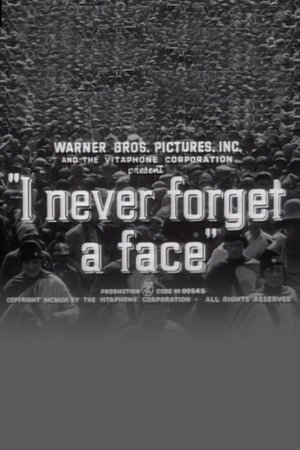


This Warner Bros. vignette features short snippets about well known people. It includes presidential candidate Warren Harding and his front porch campaign in his home town of Marion, Ohio where Al Jolson sang to the crowd; his successor, Calvin Coolidge; William Jennings Bryan at the 1920 Democratic convention where FDR was selected as the Vice Presidential candidate; the visit of the Prince of Wales; the so-called monkey trial that pitted Clarence Darrow against Bryan; Richard Bird as he trained for his flight over the North Pole; and finally George Bernard Shaw on a visit to America.
‘Babylon’ is an exhilarating journey one has to brace themselves for
Throughout Brendan Fraser’s career, he has played a plethora of unique, layered characters who explore the importance of not being afraid to display your emotions, something that is often seen to not be a masculine trait. This idea of regulating emotion and what traits men are able to possess creates a toxic atmosphere for men who are often told they should not cry or represent their emotions in any physical way. These characters represent that men can be joyful, emotionally conscious, and sensitive, while also representing their masculine identity instead of painting those qualities as fighting against their masculinity.
In season 3 of 'Umbrella Academy', Diego, Allison, and Viktor finally get character arcs that address their unique experiences as a Latino man, a Black woman who lived through the 60s, and a trans man.
When a powerful church leader is found dead, Benoit Blanc enters a tight-knit community where everyone has secrets, but not everyone is fully developed.
Bollywood's thrilling fusion of what the blind man saw and the boy who cried wolf.
Falling in love with 'Rocketman" all over again.