












The End of “The End of Oak Street” is Oak Street
An attempt to capture nostalgia that unfortunately just doesn’t work

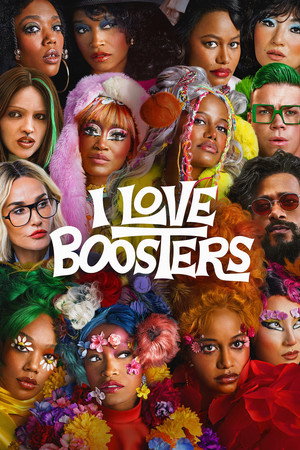



A group of shoplifters take aim at a cutthroat fashion maven by stealing from her stores and reselling them at a lower price — what they call 'fashion-forward philanthropy'.
An attempt to capture nostalgia that unfortunately just doesn’t work
“To be universal, you have to get specific”: while the film does not attempt to provoke discussions about queerness or race, those watching closely may find something resonant in Sorrentino’s love letter to the Naples of his youth.
Sorry to Bother You ultimately speaks to the unfair advantages that the country’s power structures award to those with the resources to control others, as Lift’s easy access to the media allows his opinion to be the only one that matters in the eyes of the unsuspecting and easily impressed public. Moreover, it reveals the extent to which the American Dream has any true validity. It postulates how the promise of success and fulfillment as promoted by the American Dream more often than not leads to the undoing of the individual. Interestingly, in its revealing of the American Dream as merely a facade, Sorry to Bother You wisely questions whether or not anything can really be done to undo a system that has been accepted and in action for centuries.
Remakes. Reboots. Reinventions. Redundancy. It's the common practice in Hollywood of late, sometimes offering us victorious reimagining of what can be considered cinematic classics while also, more often, falling flat on their UN-imaginative faces in utter defeat and lackluster results. Admittedly, with this in mind, I went into the newest incarnation of "The War of the Roses" with typical trepidation and cautious optimism.
Effortlessly beautiful and surprisingly tragic.
For the most part, 'Sweet Girl' recycles tired hyper masculine revenge tropes, but a surprise twist in the end turns it into a female-centric revenge film.