









Are We Going to the Back of The Net?
The importance of trying new things and teamwork are two life lessons explored in this family-friendly sports film.
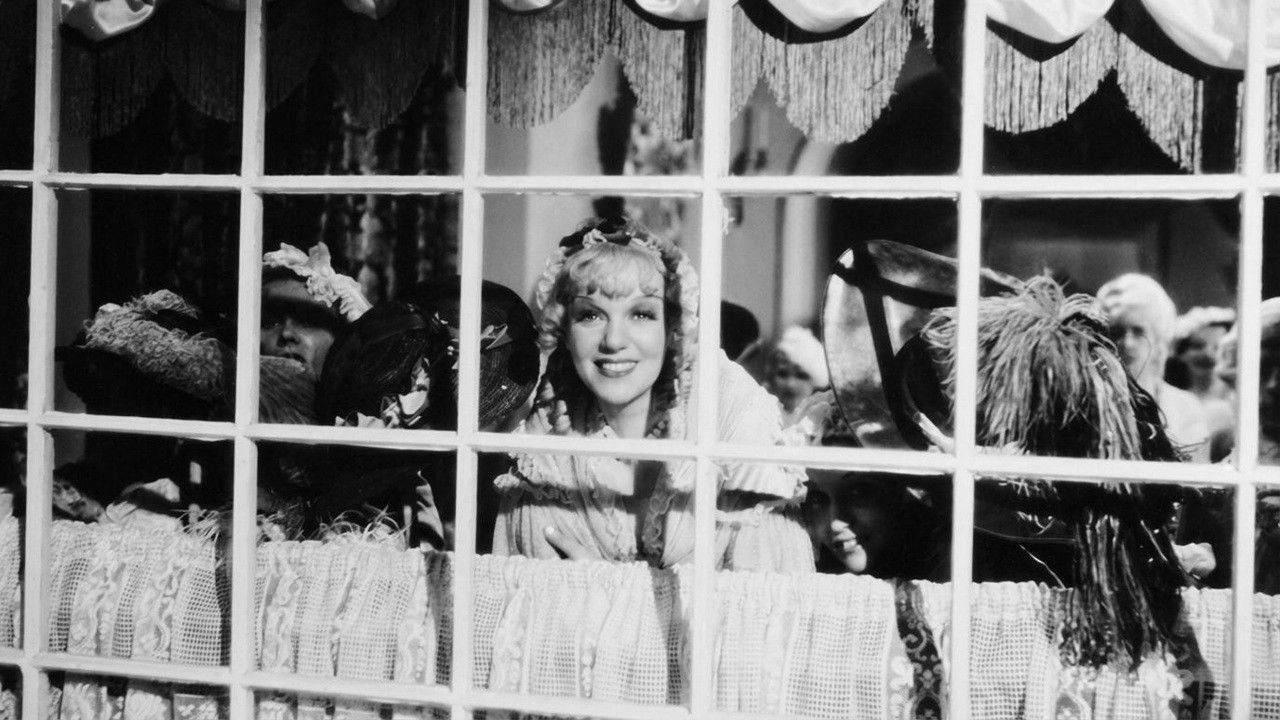
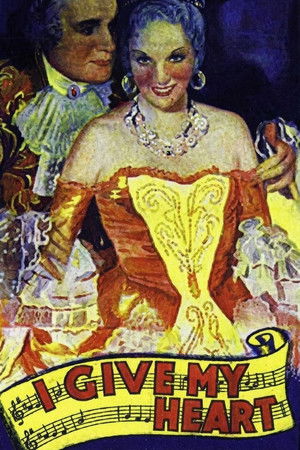


The Loves of Madame du Barry was the American title of the 1935 British operetta I Give My Heart, based on the stage musical The Du Barry. German actress Gitta Alpar stars as Jeanne, the young 18th century Parisian milliner who sleeps her way to the uppermost rungs of French aristocracy, emerging at last as the glamorous Madame du Barry, mistress of Louis XV (Owen Nares). Refusing to gloss over du Barry's sexual peccadilloes (as previous films with Norma Talmadge and Dolores del Rio had done), the film presents the "heroine" as a whore, pure and simple-or, on second thought, not so pure and simple! Particularly troublesome for American censors was a scene in which du Barry is depicted as a resident of a bawdy house. Otherwise, The Loves of Madame du Barry is standard historical-drama fare, allowing dozens of top European actors to play "dress-up" for 90 minutes.
The importance of trying new things and teamwork are two life lessons explored in this family-friendly sports film.
Friendships are tested when two girls have a crush on the popular boy at school.
'Tuca and Bertie' (2019) is an animated series centering around best friends of the same name as they traverse the challenges of their thirties.
Is God Is tells a harrowing tale of retribution, sisterhood, and gender based violence. Far too eerie and clever to be an ordinary slasher, but too gory and merciless to be an ordinary thriller, Is God Is will appeal to the highbrow horror lover with generational trauma anywhere.
"Warrior" is a Bruce Lee written and inspired story that follows a diverse cast of Chinese American characters and does a terrific job of setting the story in 1878 San Francisco - all without pulling their punches with the systemic racism, discrimination, and struggle for power that old and young immigrants that crossed the country at that time had to go through.
'An American Werewolf in London' possesses a possible queer reading in the way it envisions a heterosexual romance being undone by the presence of a creature who embodies self-contentment in the face of social alienation.