



The Enduring Beauty of “Persepolis”
This powerful story shines with poetic animation, an exploration of deeper truths, and the protagonist's complex search for identity.
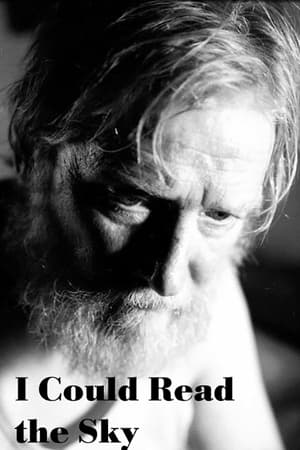


The film concerns an old Irish immigrant living in London who is looking back over his life. He recalls his early life in the west of Ireland, his first love, emigrating to England, searching for his brother Joe, who disappeared after he emigrated several years previously. His marriage and wife's later depth is also remembered.
This powerful story shines with poetic animation, an exploration of deeper truths, and the protagonist's complex search for identity.
The trouble with Yara (2021) is that in its attempt to tell the whole story, it struggles to tell a consistently engaging story.
The Lego Movie achieves great humor and story with a combination of childish comedy, adult references, irony, and by subverting popular movie tropes.
Adventure Time, Legend of Korra, Steven Universe, The Loud House, The Hollow, OK-K.O.! Let’s Be Heroes, The Dragon Prince, etc!
Where is Lilo's face? Disney marketing sends a chilling signal: that even in 2025, an alien is more palatable and marketable than a brown girl.
During the rise of fascism in Mussolini's Italy, a wooden boy brought magically to life struggles to live up to his father's expectations.