



'Malignant': A Fun, Wacky Horror with Feminist Undertones
Malignant is a roller coaster ride of slow-build scares, moments of wonderfully absurd camp, and explorations of autonomy.
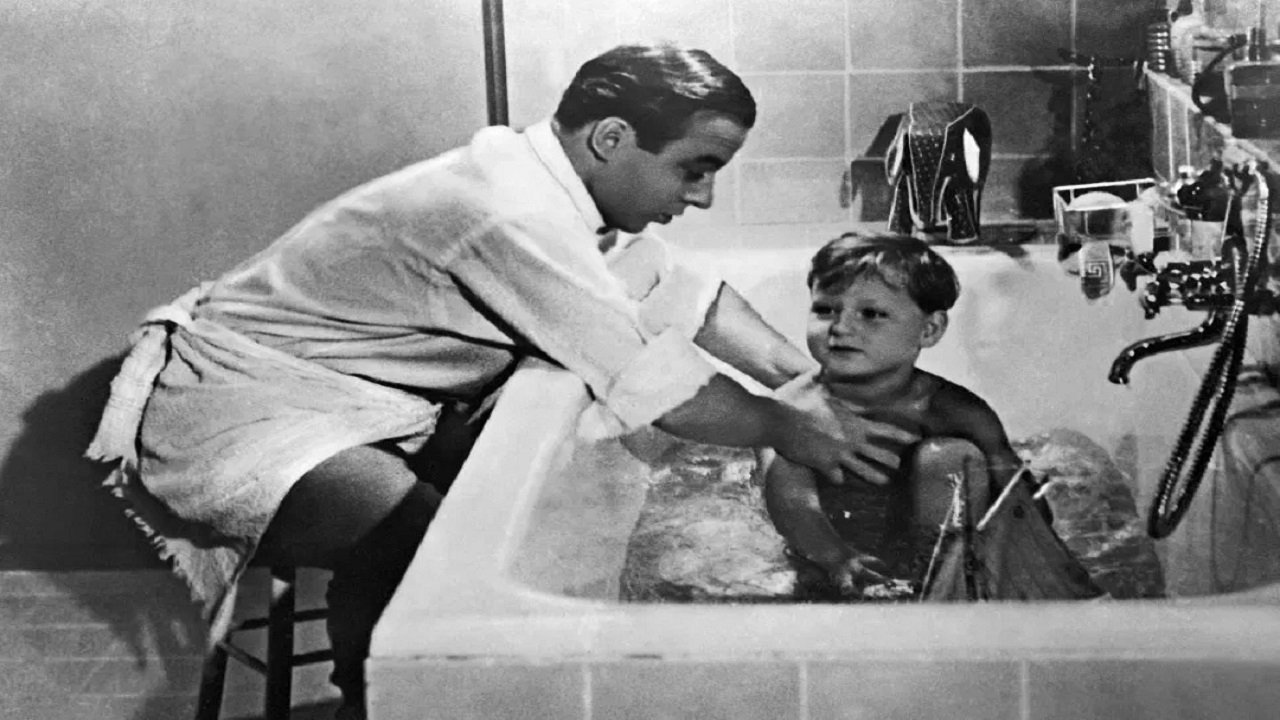
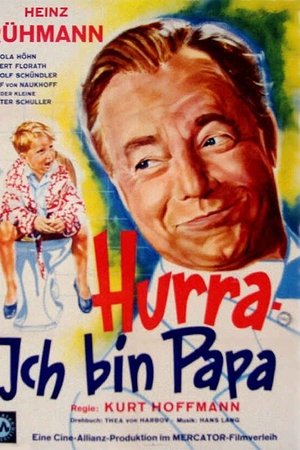


Peter Ohlsen, a perpetual student, leads a dissolute life and has been living off his filthy-rich father for years. When Peter comes home drunk from a party with his friends yet again, he finds a three-year-old boy in his bed who had been left with his housekeeper along with a letter. The letter states that Peter is the boy’s father and that he is hereby entrusted with the child’s upbringing.
Malignant is a roller coaster ride of slow-build scares, moments of wonderfully absurd camp, and explorations of autonomy.
Netflix’s new rom-com, Voicemails for Isabelle (dir. Leah McKendrick), isn’t just heartwarming, funny, and an achievement in female directing - it’s also an instant classic. Following 20-something aspiring baker Jill (Zoey Deutch), Voicemails for Isabelle tells a story of grief, self-discovery, and fateful connections. Ever since her beloved sister Izzy’s (Ciara Bravo) death, Jill has been leaving her hilarious, extremely TMI voicemails about her chaotic love life and miserable day job as a prep cook. Little does she know that a handsome and unsatisfied real estate agent in her hometown has inherited the number and practically fallen in love with her by listening to her stories.
Taika Waititi and the cast of Thor: Love and Thunder have been hyping up the gayness of this movie, and while there are queer characters, it's not quite the representation we were hoping for.
The history of Hollywood is as ugly as it is beautiful. Most notably absent from Hollywood history are Black-produced films. “They’ve Gotta Have Us” explores the rise of Black cinema.
Netflix’s Shadow and Bone has a complicated relationship with race. It has a diverse cast, but not without its problems. Based on Leigh Bardugo’s two book series, the show features characters from the Shadow and Bone trilogy, which is very straight and white, and the Six of Crows duology, which is much more diverse. When bringing together a cast and writing about these characters, the team behind the show expanded upon some of the representation missing from the first trilogy, then seemed to take away representation from the duology. Shadow and Bone seems to play a bit of a push and pull game when it comes to portraying diversity onscreen.