









“Birds of Prey” and the Fantabulous Emancipation from the DCEU
Birds of Prey has some of the best stunt work and choreography of 2020, and was the most fun I’d had in an action film since John Wick 3.
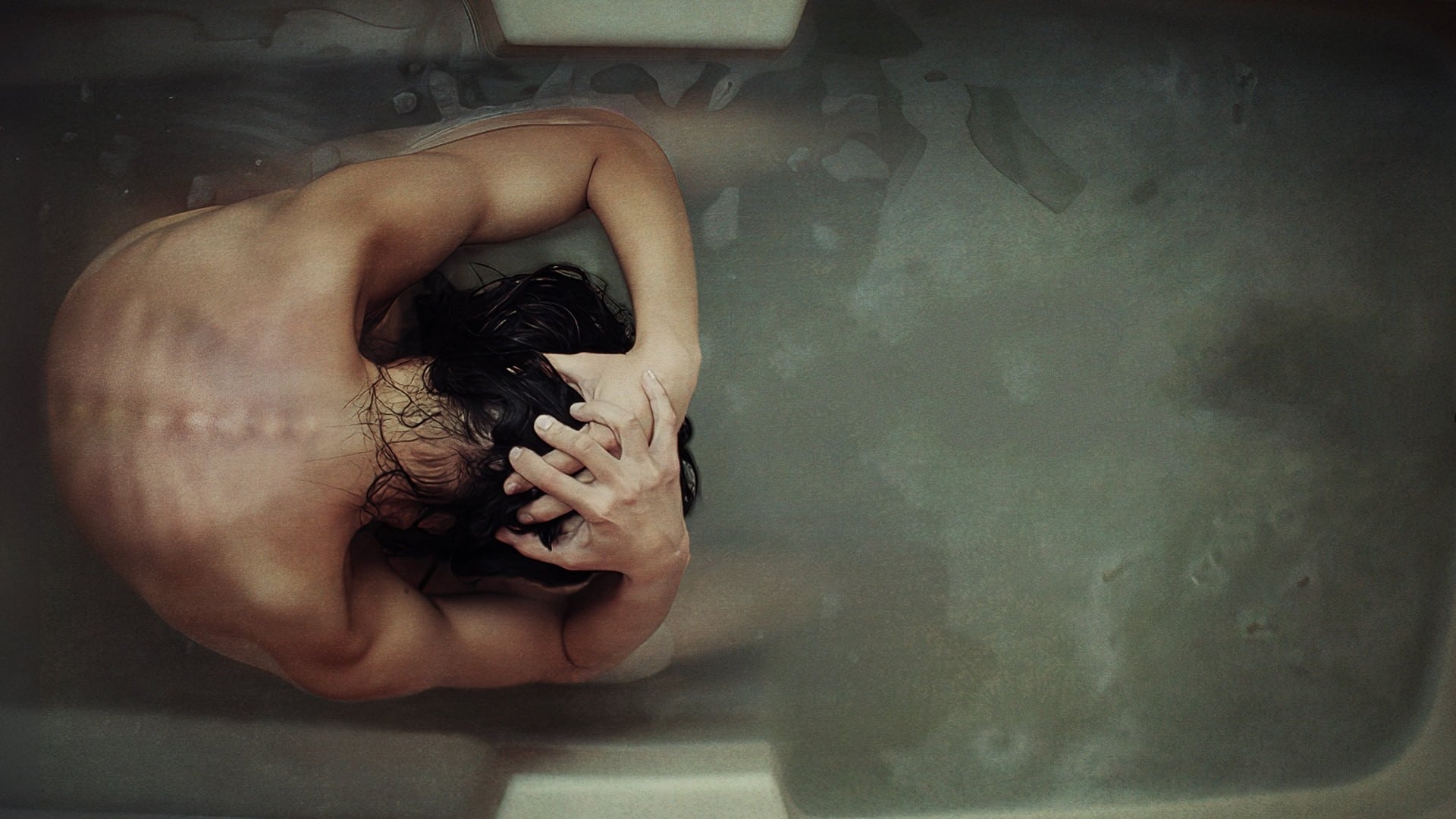
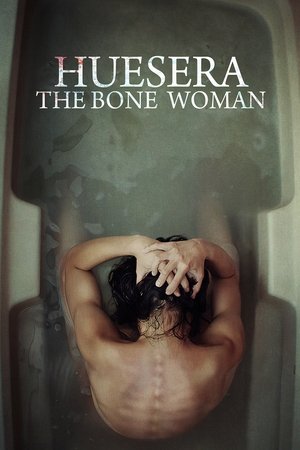


Michelle Garza Cervera’s Huesera: The Bone Woman centers on Valeria, a young woman in the middle of a substantial life transition. She’s on the precipice of becoming a wife and a mother, slotting neatly into the space left open for her by the patriarchal society in which she lives and has lived and leaving behind her former life as a music-loving, independent woodworker. Unfortunately, she is as haunted by her impending motherhood as she is by the titular la huesera—a faceless female figure who appears to move by constantly reconfiguring her bones. Valeria’s attempts to free herself from this bone woman mirror her attempts to transition smoothly into her new life, in that she fails routinely at both. La huesera haunts her daily life, leaving people to question her viability as a mother, and Valeria’s lack of satisfaction with her life leave her asking similar questions. These misgivings reach their peak after the baby is born, when Valeria, visibly in a state akin to possession, locks her in the fridge when she won’t stop crying through the night. Ultimately, Valeria seeks the aid of a group of curanderas, folk-medicine women, who successfully banish la huesera, leaving both mother and child unharmed. Valeria brings the baby back to her would-be husband and leaves them both behind, her future blessedly uncertain. Valeria’s struggle to excise herself from this culturally constructed simulacrum of who she should be and to instead give herself the opportunity to become who she is can be understood through Julia Kristeva’s idea of abjection.

Valeria's joy at becoming a first-time mother is quickly taken away when she's cursed by a sinister entity. As danger closes in, she's forced deeper into a chilling world of dark magic that threatens to consume her.
Birds of Prey has some of the best stunt work and choreography of 2020, and was the most fun I’d had in an action film since John Wick 3.
All in all, “Event Horizon” is a cinematic misfire, begging to be perfected in the future. While it possesses an array of admirable visuals, the film leaves much to be desired. If only we could see Anderson’s preferred cut, which featured more character development and tortuous imagery. In the meantime, I have a catchphrase for this film: In space no one can hear you snore.
A code adopted by gay men and LGBTQ+ individuals in general to subtly disclose your identity to another, “friend of Dorothy” is widely considered to originate with Judy Garland.
A gentle coming of age story, Water Lilies takes its time in exploring what it’s like to be a young girl trying to make sense of her sexuality in a heteronormative world.
Disney+ recently released six short films entitled the “Launchpad” collection in which diverse directors tell diverse stories. These shorts are exactly the kind of films we here at Incluvie want to see more of. These are stories of intersectionality, inclusion, and diversity. And every short stars a cluvie!
Mark Anthony Green was unable to connect all of the pieces in his debut feature film, leaving Opus as a middling entry in an already oversaturated genre.