








'The Invisible Man' (2020): The Hiddenness of Domestic Abuse
The 2020 remake of 'The Invisible Man' explores the hidden nature of domestic violence with a classic sci-fi character.

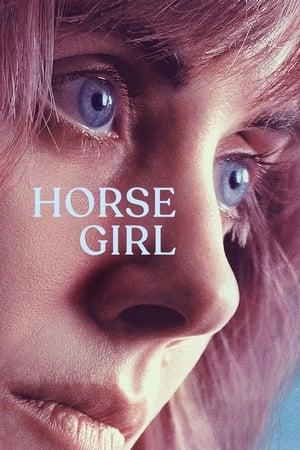

Jeff Baena and Alison Brie’s off-kilter film Horse Girl lures audiences through its wilderness with its use of misleading setups and fluid visual style. Its momentous open ending, however, seems to have left a lot of critics confused and disgruntled on a variety of choices made by the director and screenwriters. The genre, message, and enjoyability of the film have all been called into question. While mixed reviews are not unique to Horse Girl, very few other pieces of cinema offer the opportunity to re-evaluate the way we read film. I believe the distaste and disorientation apparent in a lot of its reviews stem from an inability to refocus the lens through which we capture storytelling.
The film follows a young woman by the name of Sarah (Brie), whose journey down the sinister rabbit hole of losing touch with reality leaves spectators wondering where her visions stop and a tangible plot begins. The most prominent question I’ve come across in my reading is, “Is this a mental health picture or a sci-fi?”
While many critics make the case for both, a firm answer is always just out of reach. The plot contains simultaneously too much and too little of each element to be wholly one label or the other. What is interesting about the structure of this particular piece may be the same reason that making a case for its genre is futile. Sarah’s journey puts less emphasis on the beats, (the plot points of the story), and more emphasis on the sensations created through experiencing her reality.

A socially awkward woman with a fondness for arts and crafts, horses, and supernatural crime shows finds her increasingly lucid dreams trickling into her waking life.
The 2020 remake of 'The Invisible Man' explores the hidden nature of domestic violence with a classic sci-fi character.
Him is visually stunning—all concrete cathedrals and bone-rattling impact shots that look like a nightmare highlight reel. Marlon Wayans is magnetic as this legendary quarterback who's basically selling salvation with a smile that never quite reaches his eyes. But the story keeps running in circles: more tests, more cryptic pep talks, more ritualistic drills. The sports-as-religion metaphor beats you over the head when subtlety would've been more effective. The middle drags, and that finale chooses spectacle over substance. It's undeniably stylish, but left me cold. Also worth noting: despite the Monkeypaw connection, this isn't actually a Jordan Peele film—he didn't write or direct.
This animated movie focuses on Nick Daley, the son of Larry Daley, as "Kahmunrah Rises Again."
Director Martin Scorsese broadens his boundaries from mafia-driven movies, to a Buddhist biopic of the 14th Dalai Lama. While Buddhism strives for peace, ‘Kundun’ reveals the violence inflicted on Tibetan Buddhists and Scorsese’s depiction of violence does not stray away.
James Cameron’s “Aliens” (1986) is a pinnacle of science fiction storytelling. Within this classic monster movie lies a powerful female character, Ellen Ripley (brilliantly portrayed by Sigourney Weaver).
“I’m always interested in exploring female fantasy, and the sexy witch is a loaded archetype that is simultaneously about men’s fears and fantasies about women, and women’s feelings of empowerment and agency. So whereas we are used to seeing the sexy witch or the femme fatale from the outside, I wanted to explore her from the inside.” - Anna Biller, on why she made The Love Witch