

Garfield the Movie: A Failure in Adapted Characters
An analysis on how the Garfield movie fails to represent the characters it is adapting, especially the women, by removing their best characteristics.



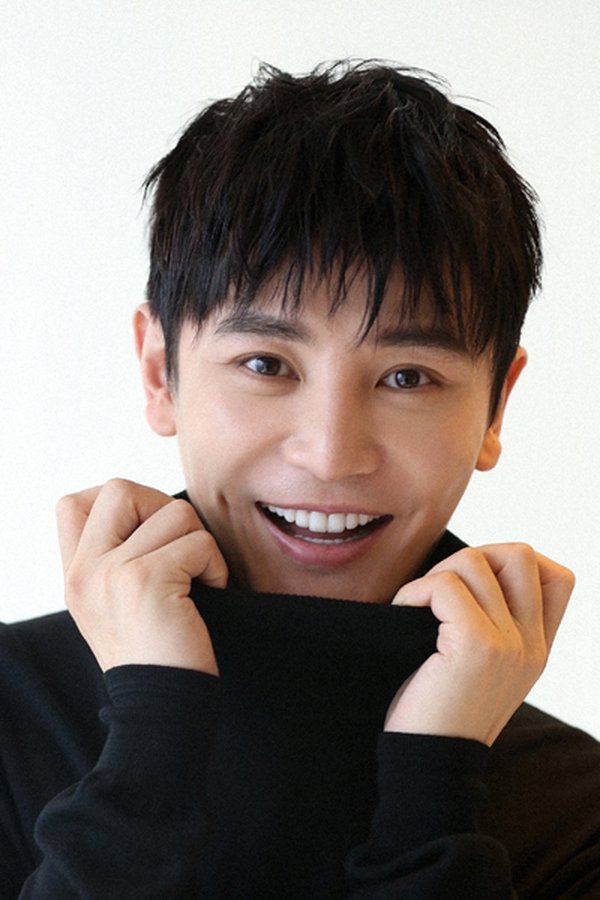
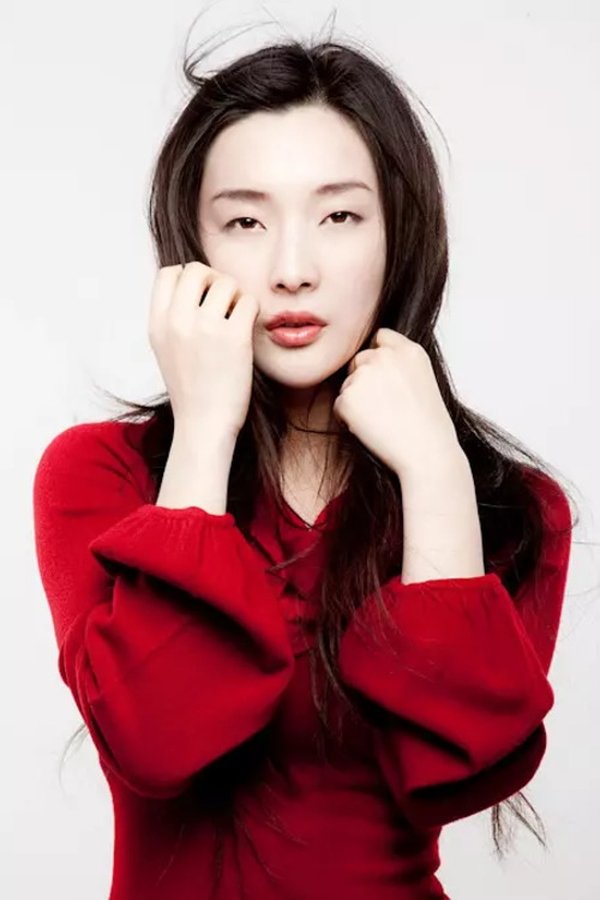
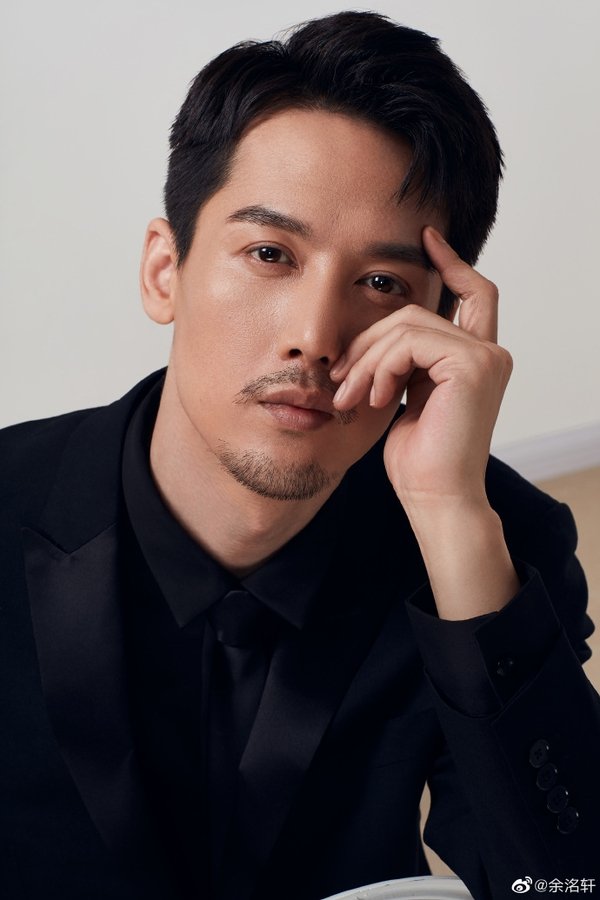
After a hasty engagement, Zhou Beibei (played by Chen Ran) and Wang Jiashu (played by Sun Jian), decide to go to Schwanberg in Germany for their honeymoon.
An analysis on how the Garfield movie fails to represent the characters it is adapting, especially the women, by removing their best characteristics.
Its predictability shouldn’t distract from the enjoyment that the pure cinematic imagination behind the camera elicits. It is a movie of crises both moral and mortal, oozing with CGI, and thoroughly enjoyable.
The quiet ache of guilt sitting at the dinner table, the silence after a truth is buried, and the way pain is passed down like a name.
It only seems to prove that when the company had their backs against the wall and needed an all pleasing, generic movie that had to make up for The Last Jedi, they chose to sacrifice almost everything that made their main protagonist interesting and that made her stand out as the strong female character that a generation of young movie goers was supposed to look up to. Instead, we were left with a Rey that was so much less than she could have been. And I guess that’s the real story of Rey and The Rise of Skywalker; they could have been so much more, but they were just more of the same.
Like Fourth of July fireworks, the film Honey Don’t is colorful and fun to look at, delivering many bangs (sex and guns!) for your buck before quietly fading out.
Stand and Deliver is an inspirational classic from 1988 starring Edward James Olmos as Jaime Escalante, and his class of rag tag students in East Los Angeles. It’s the story of how a new teacher shows a motley group of students in the inner city with backgrounds as gang members, dishwashers, and mechanics — the power of self-determination. He teaches the teenagers to believe in themselves through algebra and calculus.