Home: The House Imp
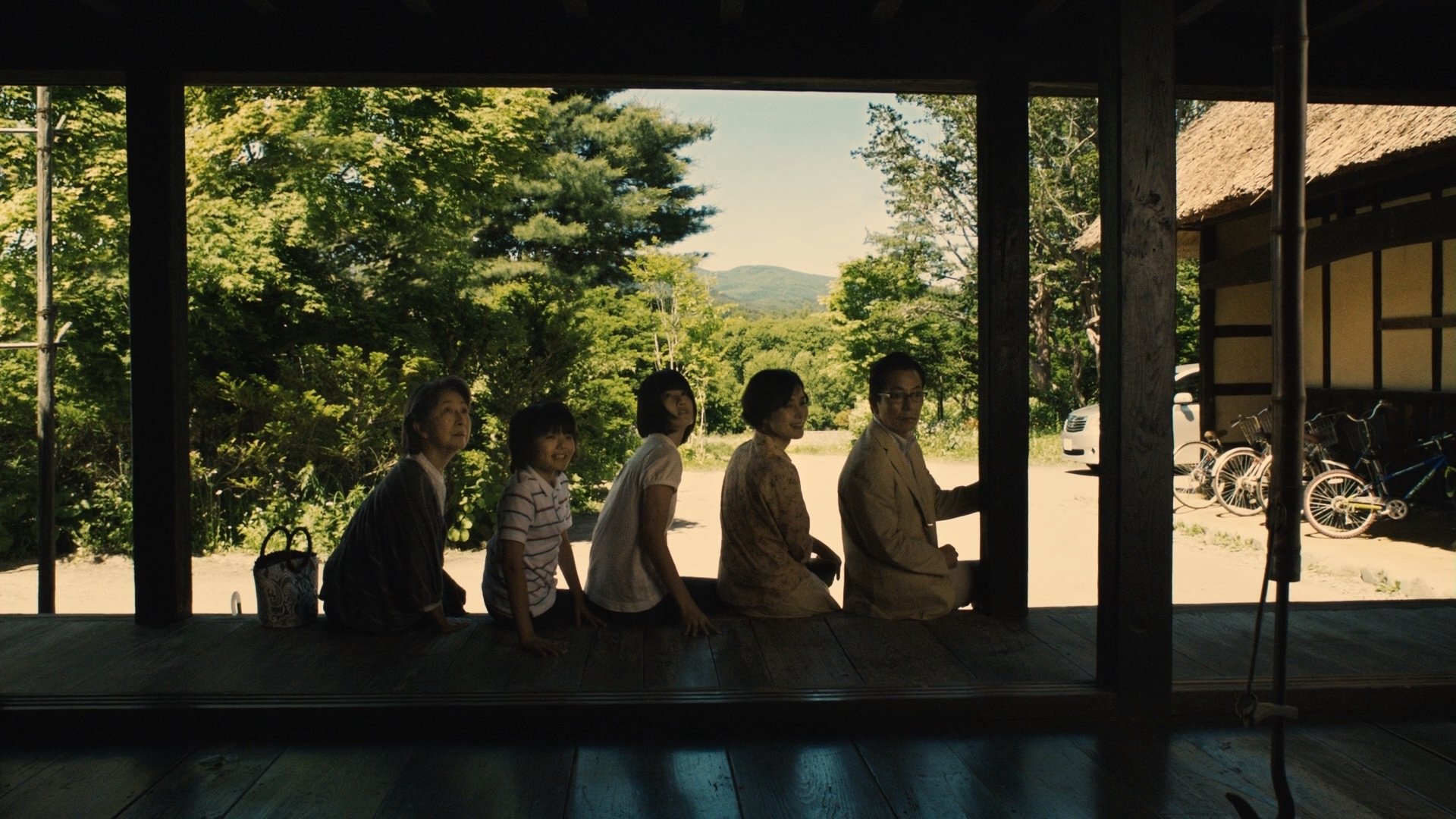
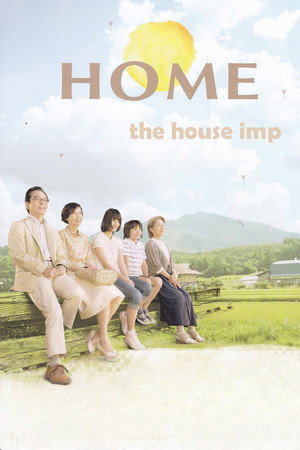
When Koichi Takahasi (Miutani) is transferred from Tokyo to a small village in Iwate Prefecture, they set up hoe in a two-hundred year-old farmhouse. The family is split between those who hate the move and those who are happy. Fumiko (Yasuda), the wife, is unhappy at the change and doesn’t get on with her elderly neighbours, Azumi (Hashimoto) is sad about having to transfer to a new school. Koichi’s mother, Sumiyo (Kusabue), rather likes the new community while young Tomoya Takahashi (Hamada) really enjoys the new move because he can play outdoors. Koichi takes note of the split in the family but finds himself struggling at his new job. Thankfully the house has Zashiki Warashi (yokai) living there who will unite them with their antics. Judging by the poster these antics won’t be terrifying.

- / 5
PopScore
Representation
Pictures and Videos

Movie Information
When Koichi Takahasi (Miutani) is transferred from Tokyo to a small village in Iwate Prefecture, they set up hoe in a two-hundred year-old farmhouse. The family is split between those who hate the move and those who are happy. Fumiko (Yasuda), the wife, is unhappy at the change and doesn’t get on with her elderly neighbours, Azumi (Hashimoto) is sad about having to transfer to a new school. Koichi’s mother, Sumiyo (Kusabue), rather likes the new community while young Tomoya Takahashi (Hamada) really enjoys the new move because he can play outdoors. Koichi takes note of the split in the family but finds himself struggling at his new job. Thankfully the house has Zashiki Warashi (yokai) living there who will unite them with their antics. Judging by the poster these antics won’t be terrifying.
Rating:
Genre:Family, Drama
Written By:Narito Kaneko
In Theaters:
Box Office:
Runtime:110 minutes
Studio:Toei Company, Toei Tokyo, Toei TV Production, TV Asahi, Kinoshita Komuten, Hakuhodo DY Media Partners, Trysome, Asahi Broadcasting Corporation, The Asahi Shimbun, Nagoya Broadcasting Network, Hokkaido Television Broadcasting, Kyushu Asahi Broadcasting, Asahi Shimbun Publications









Articles You May Like
“Bury Your Gays” Trope in TV and How “Wynonna Earp” Defies it
I think that the happiness and survival of "Wynonna Earp"’s LGBTQ+ characters is incredibly refreshing in contrast to the prevalence of queer suffering and death in other television.
'Merry & Gay': A smart and heartfelt LGBTQ Christmas venture
The film centers around two young women, Becca and Sam, who were once high school sweethearts until they reconnect in their town.
Outer Banks Ignores Its Racial Context
Outer Banks (2020-) knows its audience: young adults in a country that can’t stop romanticizing good ole’ treasure hunts. Add a little of Riverdale’s (2017-) sex appeal, and no one can look away. Forty years after The Goonies (1985) America’s consciousness hasn’t strayed from the same tropes: treasure hunts, a vulnerable white male lead, and the whitewashing of a racially segregated setting.
I Know This Much Is True: Double the Ruffalo, Double the Brilliance
I imagine that it would be a dream job for an actor to play the parts of twin brothers Dominick and Thomas Birdsey in I Know This Much Is True.
Not Much More than Magic in 'Maestro'
In 'Maestro,' we're left with an impression but not with an understanding of the main character.