



We're 'All Together Now' to Give a Hand
Can a homeless yet optimistic teenage girl learn to accept a helping hand?
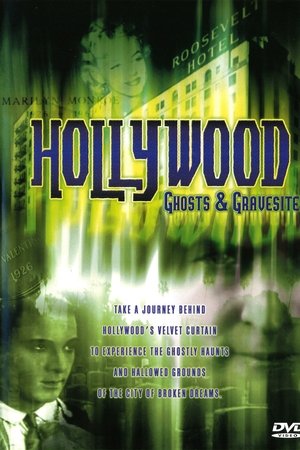


Ever wonder if celebrity truly dies with the celebrity, if graves really can give up the dead, or if walls really do talk? Then join the hunt for star haunts and hauntings in and around the city of broken dreams - Hollywood, California. Find out the details of the odd pilgrimages and observances held at celebrity gravesites, the eerie accounts of strange studio haunts, the unusual tales of ghostly disturbances at the mansions of the stars, and the spooky sightings of apparitions on the Grey Ghost herself, the legendary luxury liner, the Queen Mary. With this program, you have a unique backstage pass to the studio lots, the crypts, the tombstones, the cemeteries, and the homes of some of Hollywood's most notable characters, ranging from Bugsy Siegel and Rudolph Valentino to Harry Houdini and Marilyn Monroe. So if your curiosity is sparked and your courage is up to par, then come along on a truly terrifying tour of Hollywood Ghosts and Gravesites.
Can a homeless yet optimistic teenage girl learn to accept a helping hand?
“To be universal, you have to get specific”: while the film does not attempt to provoke discussions about queerness or race, those watching closely may find something resonant in Sorrentino’s love letter to the Naples of his youth.
Dune has stunning visuals, a striking soundtrack, and great performances. But it has issues everywhere from its pacing, to its story, to its diverse representation.
For the entirety of Raiders of the Lost Ark, Marion remains in full control of both her body and her personality, a rarity for female characters at the time of the film’s release. She’s granted depth with personal demons from her past and emotional vulnerability when the situation deems it appropriate for her to grow alongside Indy. She avidly rejects the notion of being anything other than a sassy, humane rebel, and Indy’s equal in every way. This she does while still maintaining her femininity.
For anyone who is not a cis white woman, a justice-fueled murderous rampage is not framed as liberation. Instead, they contribute to harsh stereotypes that vilify minority women with dangerous consequences.
In The Women and the Murderer, directors Mona Achache and Patricia Tourancheau center women—the very demographic true crime is designed to appeal to.