



You're Probably Not 'The Worst Person In The World'
'The Worst Person In The World' follows a part of life I don't see often portrayed on-screen: extended adolescence.
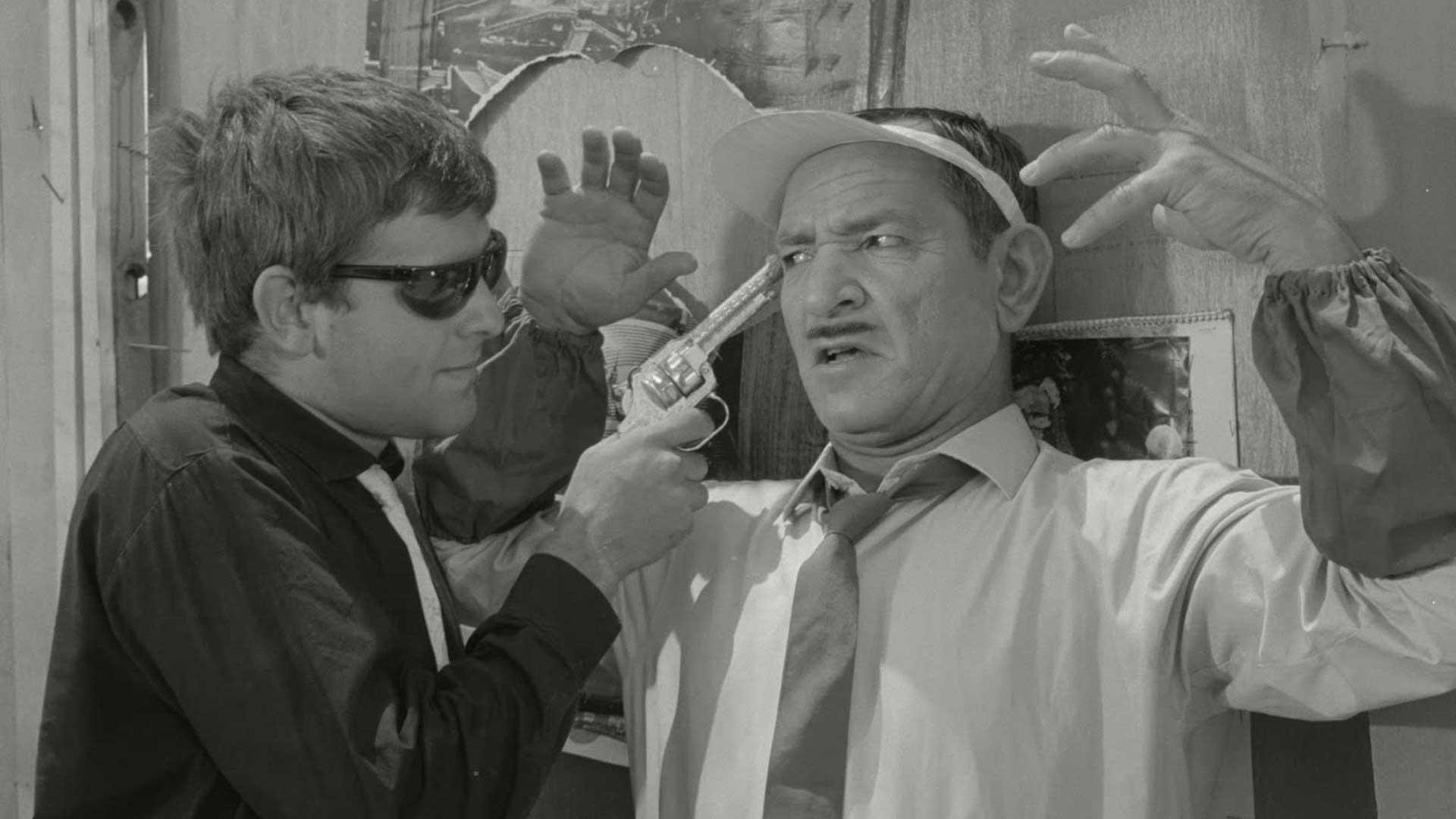
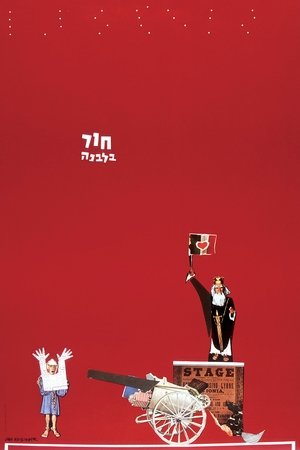


A comic and episodic satire, the film uses improvisation to illustrate the clash between fantasy and reality in real life. Although conceived in the style of Mekas’ “Hallelujah the hills” (1962), it’s an authentically Israeli satire, an openly rebellious and individualistic expression that poked fun at the sacred myths of earlier zionist films. The technique of film within the film is used to portray cinema as reflection of the imagination, a miracle based on dreams and fantasies that take on concrete characteristics – parallel to the miracle of Israel, the dream that has become reality. Although not a commercial success, its importance is beyond any measure, though it remains a unique experiment, boldly uncommercial and subversive, out of any context in that patriotic, ideological epoch.
'The Worst Person In The World' follows a part of life I don't see often portrayed on-screen: extended adolescence.
It took writers D.B Weiss and David Benioff two years to give us a promising final season. Two. Years. It was just going to be six episodes, which was short considering that all the other seasons — except season 7 — were 10 episodes. 10. 6 wasn’t enough, and even HBO wanted to give the writers more episodes. More seasons, even. However, the writers wanted to get out of the show as quickly as possible to work on other projects. This abruptness is clearly shown in this season.
While the film didn’t hit me as emotionally as I wanted it to, I still enjoyed it. I simply wish there was a little more, particularly with the world building.
Fire Island is the more inclusive film of the two with the bi-phobic definition of pansexuality in The Thing About Harry and its obvious lack of colour on screen
Neo Sora left a realistic and yet hopeful notion for the near future and the now.
Airplane! (1980) is a fun spoof comedy with lots of laughs, right? I watched this film for the first time the other night. I loved it. Then came the racist jokes.