“Disclosure Day” and Anthropocentrism
Disclosure Day asks us to question humanity's role in the universe but falls victim to the same assumptions of centrality.
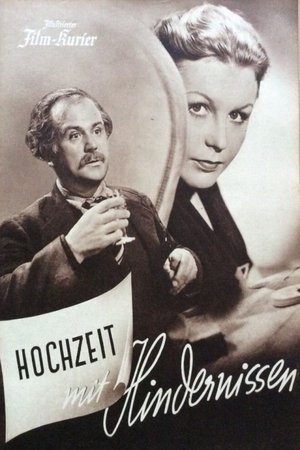


A wealthy uncle from America has named the widowed shoemaker Emil Rogge as his sole heir and bequeathed him a chest containing his entire fortune. However, the will includes a clause stipulating that the chest may only be opened after a three-month period, and Rogge will only inherit the fortune if he fulfills two conditions within that time: he must abstain from alcohol at work, and he must find and marry a wife. A con man then tries to seduce Rogge and arrange for his accomplice, the sophisticated Olga, to marry him. But in the end, Rogge not only finds the right woman but also experiences a major surprise.

Franz Seitz
Director
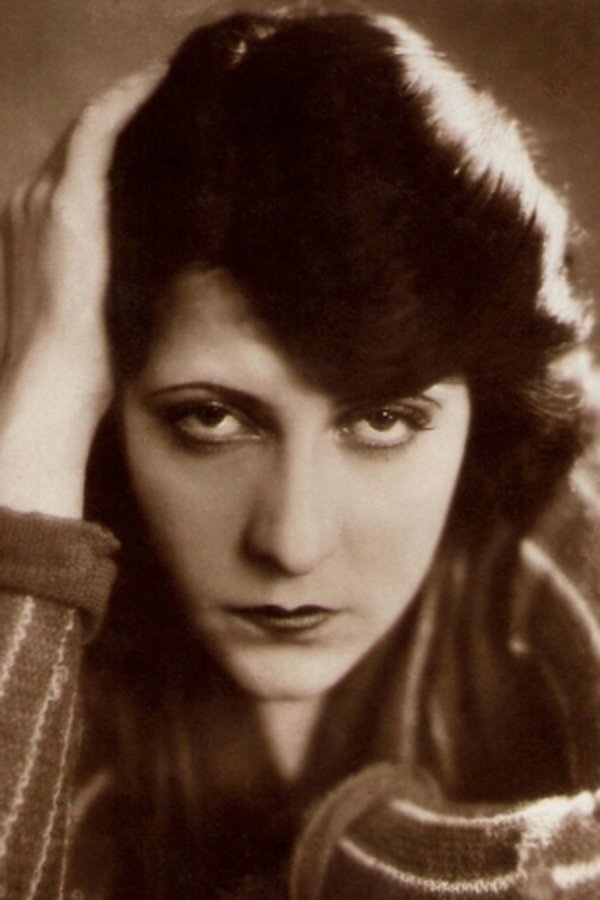
Lissy Arna
Eugenie Draxler, Rentnerin
Erwin Biegel
Fritz Kremmelbein, Friseur
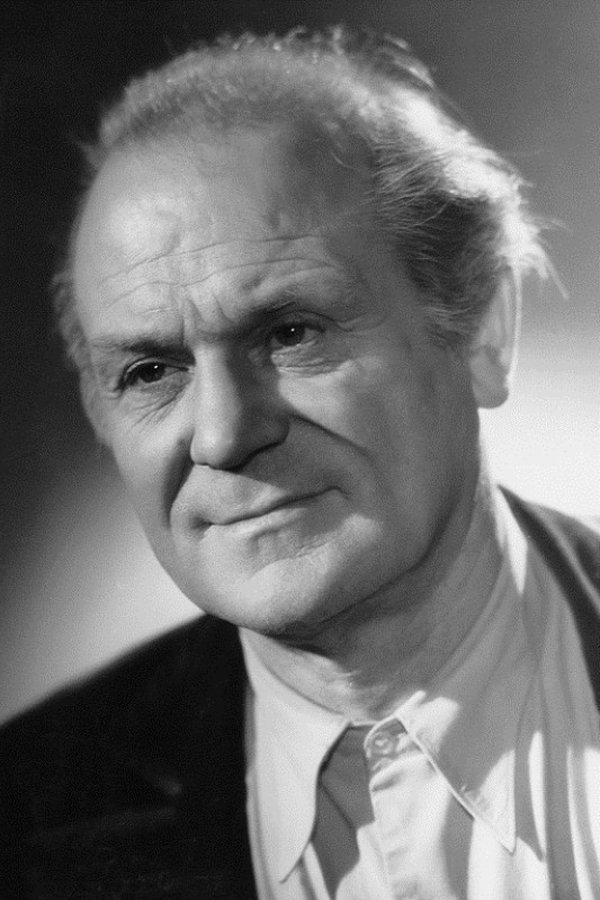
Josef Sieber
Emil Rogge, Schuhmachermeister
Ilse Petri
Trude, Lehmanns Tochter
Heinz Wieck
Hermann
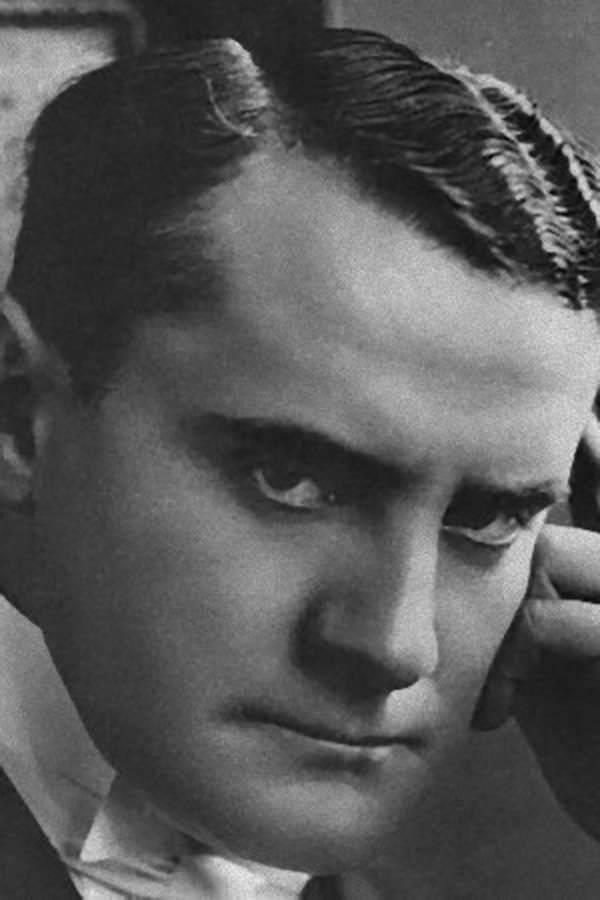
Leo Peukert
Gustav Lehmann
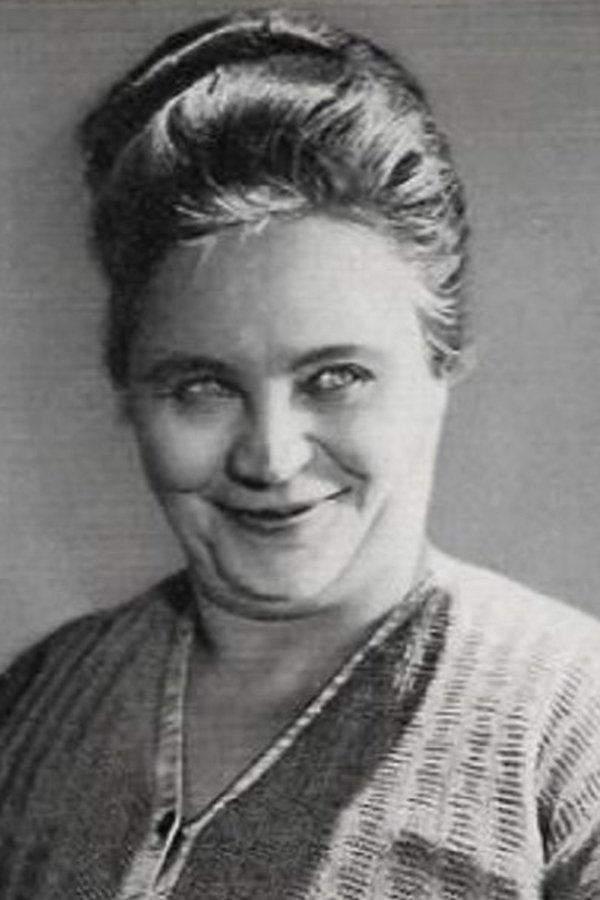
Margarete Kupfer
Frau Tübbecke
Ingeborg Hertel
Gretel
Armin Münch
Piesecke
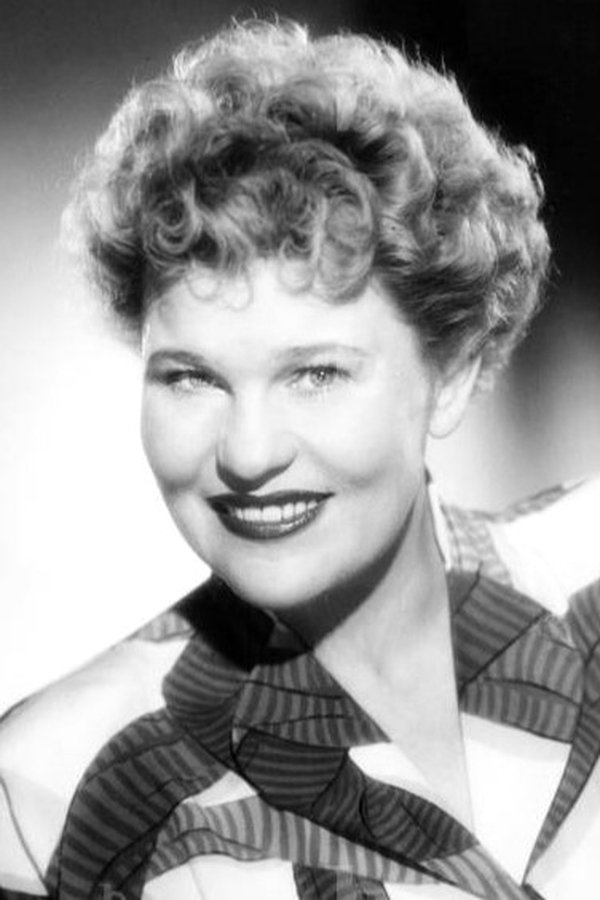
Lotte Rausch
Olga Hannemann
Else Reval
Fräulein Klingmüller
Disclosure Day asks us to question humanity's role in the universe but falls victim to the same assumptions of centrality.
I didn’t love Expecting Amy, the mini-series following Amy Schumer’s pregnancy, but it brought up a lot of great unspoken side-effects of working and growing a human in America.
Marvin Gaye's powerful music addresses the same themes as "Da 5 Bloods" and elevates the film to even greater heights.
The latest installment in the beloved media franchise is a unique stylized mesh of humor and heart.
Netflix’s new mystery thriller, The Marked Woman (released originally as La Desconocida), is confusing. More critically, though, it commits the worst mistake a movie can make: it’s boring. From Spanish director Gabe Ibáñez, the film squanders its premise at every turn, fills the story with unlikeable characters, and lacks emotional payoff.
In The Women and the Murderer, directors Mona Achache and Patricia Tourancheau center women—the very demographic true crime is designed to appeal to.