

Poverty and the Cycle of Violent Youth in 'City of God'
'City of God' depicts the cylindrical cycle of violence that is forced upon the underprivileged.




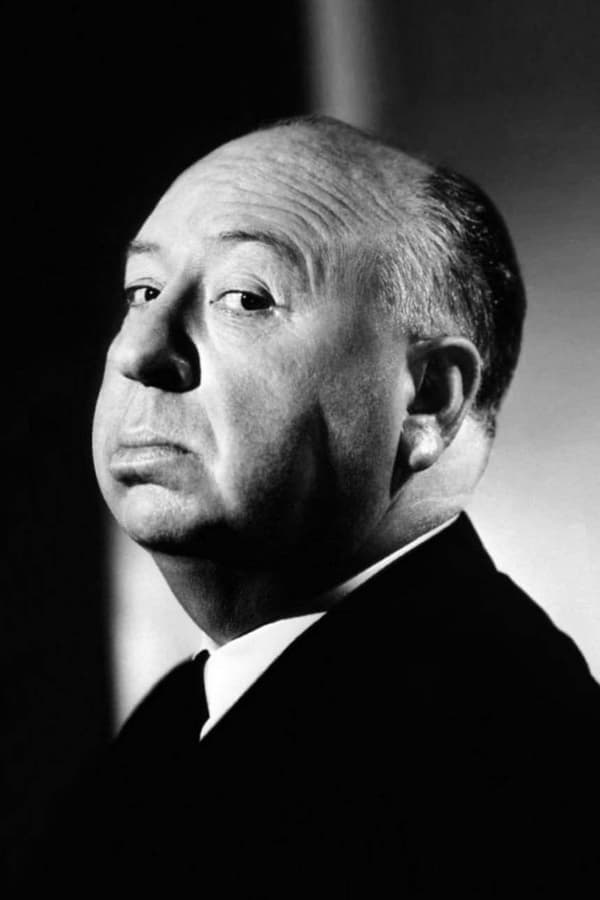
During the Second World War in the United States, cinema was extensively used as a propaganda vehicle. All the great filmmakers were involved: Capra, Ford, Huston, and Hollywood's new master of suspense, Alfred Hitchcock. After making several films advocating American entry into the war alongside the British, in direct violation of the Neutrality Act, Hitchcock took advantage of Zanuck's departure from 20th Century Fox to launch a major new propaganda project: Lifeboat. He asked John Steinbeck to write the basic story. This great American literary figure, author of The Grapes of Wrath, whose adaptation was one of Fox's biggest successes, was himself very committed to the war effort. When Lifeboat was released, success quickly turned to controversy. What if Hitchcock's film had completely missed the mark? What if, instead of providing anti-Nazi propaganda, the film actually defended the thesis that the German people were superior to the Allies and the union of democracies?
'City of God' depicts the cylindrical cycle of violence that is forced upon the underprivileged.
One Christmas Eve, after a sudden snowstorm, a group of teenagers will discover how their lives will change forever.
For those tranquil houses with white fences, what is happening behind every closed door?
In this remake of the 1993 film of the same name, The Wedding Banquet follows the life of two queer couples as they struggle with life-changing decisions.
The film basically says she was a lost cause from the start. We don't get a sense of who Marilyn was.