






Ad Astra: Cinematic Hypnotism
“Ad Astra” is a film that possesses similar beats to sci-fi classics, falling into the realm of cinematic hypnotism, and pulling us in with its mysteriously intoxicating identity.
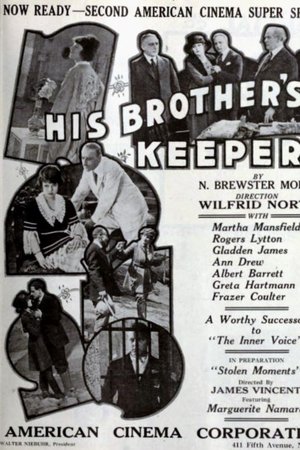


Rex Radcliffe, vice president of the Northern Atlantic Railroad, is opposed by company president William Harding in his desire to put over a deal that would jeopardize the stockholders of the Interstate Railroad. Using thought control, he causes Weer, Harding's discharged secretary, to murder his ex-boss. Weer is arrested for the murder. Radcliffe then puts Harding's daughter, Helen, also under his influence. John Bonham, Interstate president, becomes interested in the case, and with the aid of Mrs. Weer he exposes Radcliffe, who then commits suicide.
“Ad Astra” is a film that possesses similar beats to sci-fi classics, falling into the realm of cinematic hypnotism, and pulling us in with its mysteriously intoxicating identity.
This powerful story shines with poetic animation, an exploration of deeper truths, and the protagonist's complex search for identity.
Films and TV series often tend to misrepresent or not acknowledge bisexual characters, but recent trends show that bi-erasure is now under deserved scrutiny. So, I’m genuinely happy about the direction bi-representation seems to be taking.
This movie will always resonate with queer people, for as long as queer people exist.
Facing the world with our fair share of uncertainties and/or apprehensions, many of which, sadly, may be well-founded, is nothing to sneeze at. Influenced and buffeted by the constant barrage of social media, fake news, and general upheaval present in our contemporary reality, what IS real and what's not becomes a blur.
The beating heart of this film is the relationship between Anna Osborne and Sonya Rockhouse.