


Swept Away by You, Me, and Tuscany
A Black woman centered in a box office rom-com with a happy ending and no struggle love.
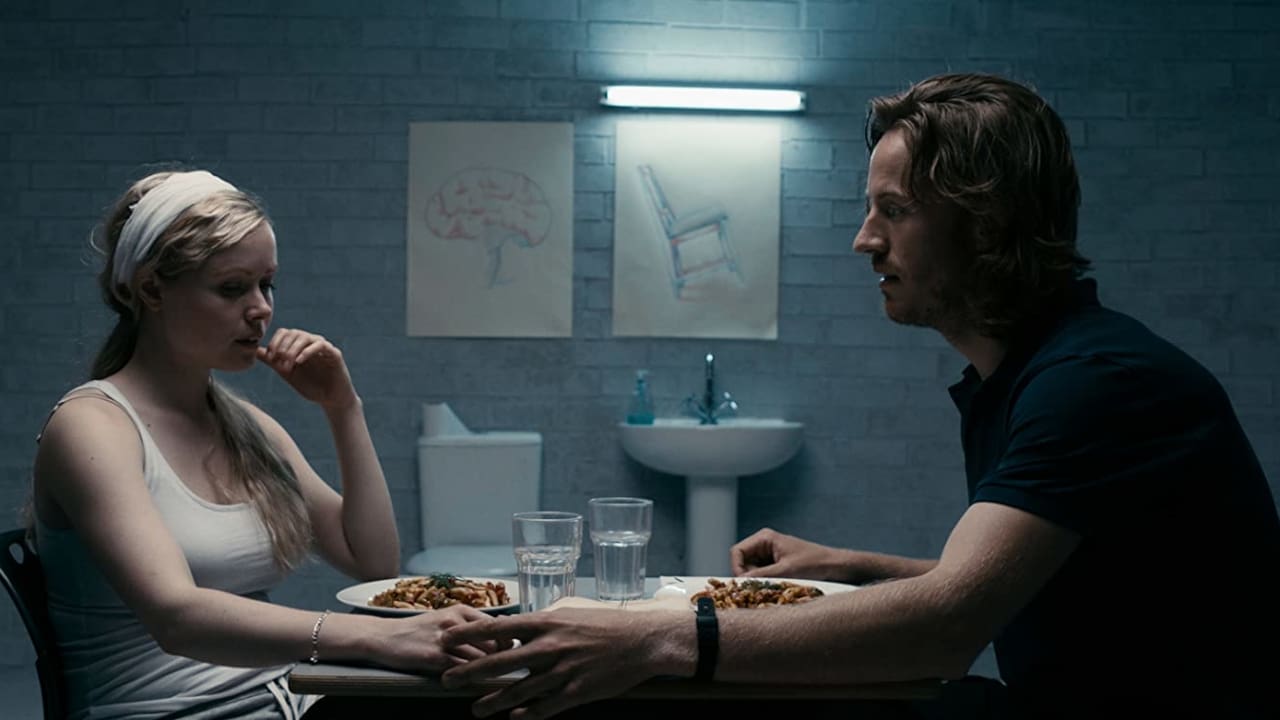
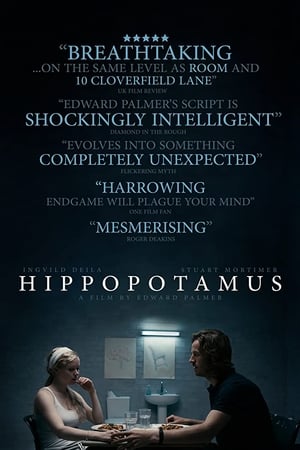


Ruby wakes from a bad dream to find herself in a real life nightmare. She's trapped in a basement, her legs are broken and she can't remember who she is or how she got there. Her kidnapper, Tom, tells her she will remain captive until she falls in love with him. Ruby is focused on trying to escape until Tom starts helping her to remember her past and she begins to question everything.
A Black woman centered in a box office rom-com with a happy ending and no struggle love.
A bond between a girl and her dog takes an unexpected twist as the dog is not what it seems.
All in all, 47 Meters Down: Uncaged is a film I would recommend. It promotes the bond of sisterhood, which in this case is clearly thicker than blood, as well as courage. No one truly knows how strong they are until they go through something unimaginable and come out changed for the better.
A story of a magical dragon brings great representation for Chinese culture.
The definition of the word foul is “offensive to the senses,” which is a pretty good summation of the new Disney+ film, Artemis Fowl
A film for the post-MeToo era that inverts the narrative with an ironic coda, Tár depicts the duality of a sensitive artist capable of great evil and vile manipulation.