







Once Upon a Time in (White) Hollywood
Tarantino's alternative history of the 1960's uncritically repeats the era's sexist and racist stereotypes.

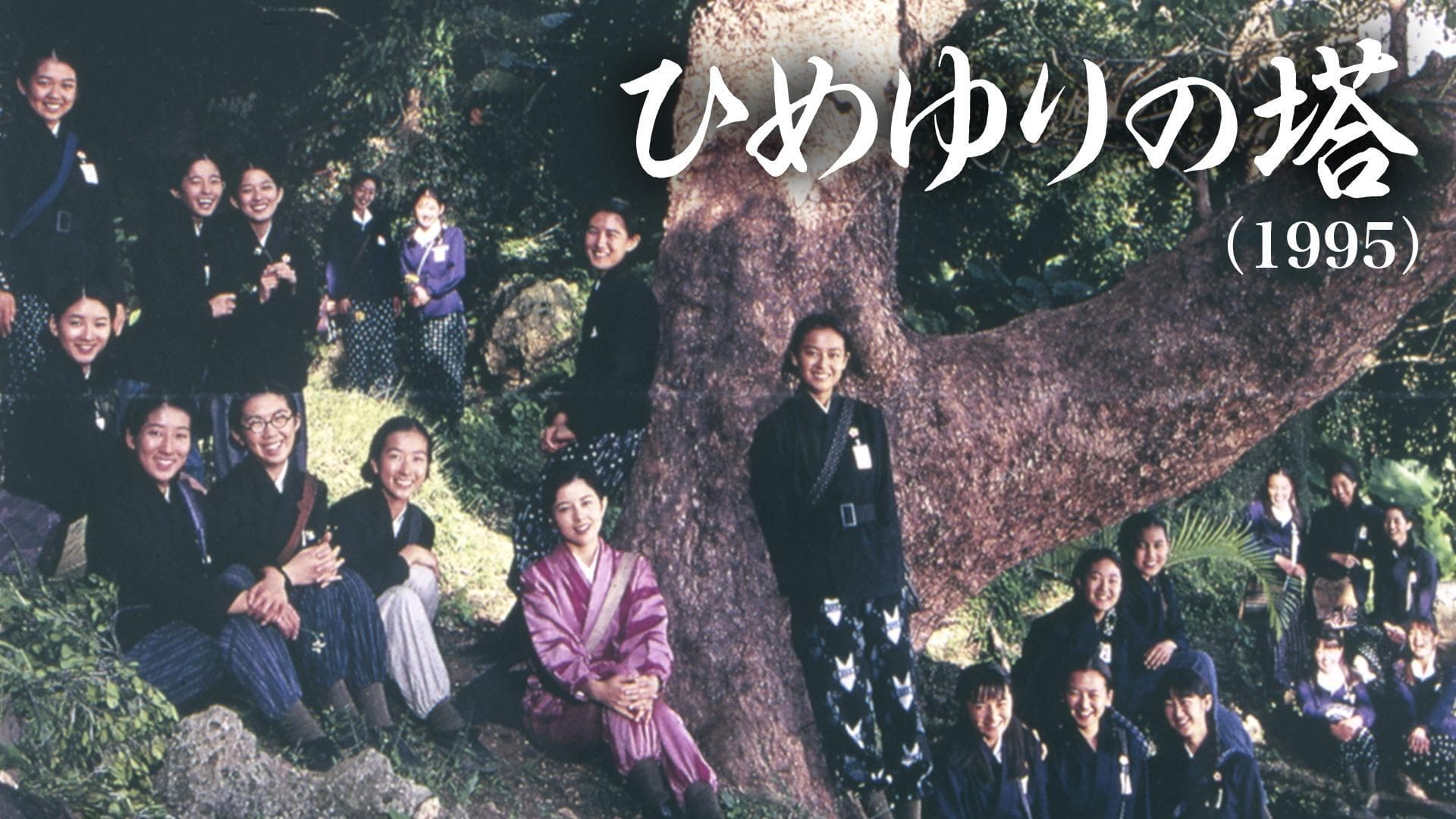
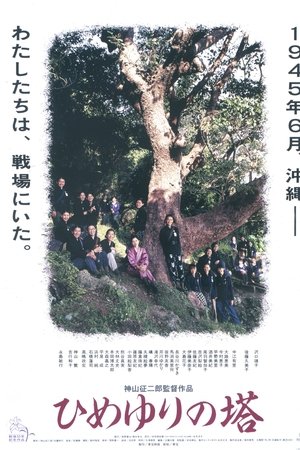
The Girls' Division of Okinawa Normal School and the First Okinawa Prefectural High School for Girls were also known as "Himeyuri no Gakuen". In July 1944, the students, who were supposed to spend their summer vacations at home, were called back to school to prepare for the coming war and to fulfill their duties as subjects of the Imperial State. The fate of the girls and teachers awaited them as the American army attacked.
Tarantino's alternative history of the 1960's uncritically repeats the era's sexist and racist stereotypes.
This romance movie has strong representation of Taiwanese people.
Tara Thorne’s film is equal parts emotional and comedic, illustrating the beauty and the pain of long term relationships.
In order to learn why an arguably outdated fanfic trope was resurfacing in the contact zone of popular culture, I dove into a vibrant trough of character development.
Documented human suffering is never easy to view or read about and is understandably triggering for many people, but it can be educational, and education is a key to change. An overwhelming amount queer people worldwide (and in my own country) have it far worse than I could imagine, and documentaries such as Welcome to Chechnya bring issues to light that certain groups of people would never see.
The short documentary and second place winner of the Incluvie Short Film Festival, Gender Outlaw: A Bodysurfing Story, challenges any simplistic understanding of trans people.