





A Haunting Portrayal of Motherhood in "The Lost Daughter"
'The Lost Daughter' doesn't paint over the choices Leda and Nina make as mothers as right or wrong but examines the messy in-between.
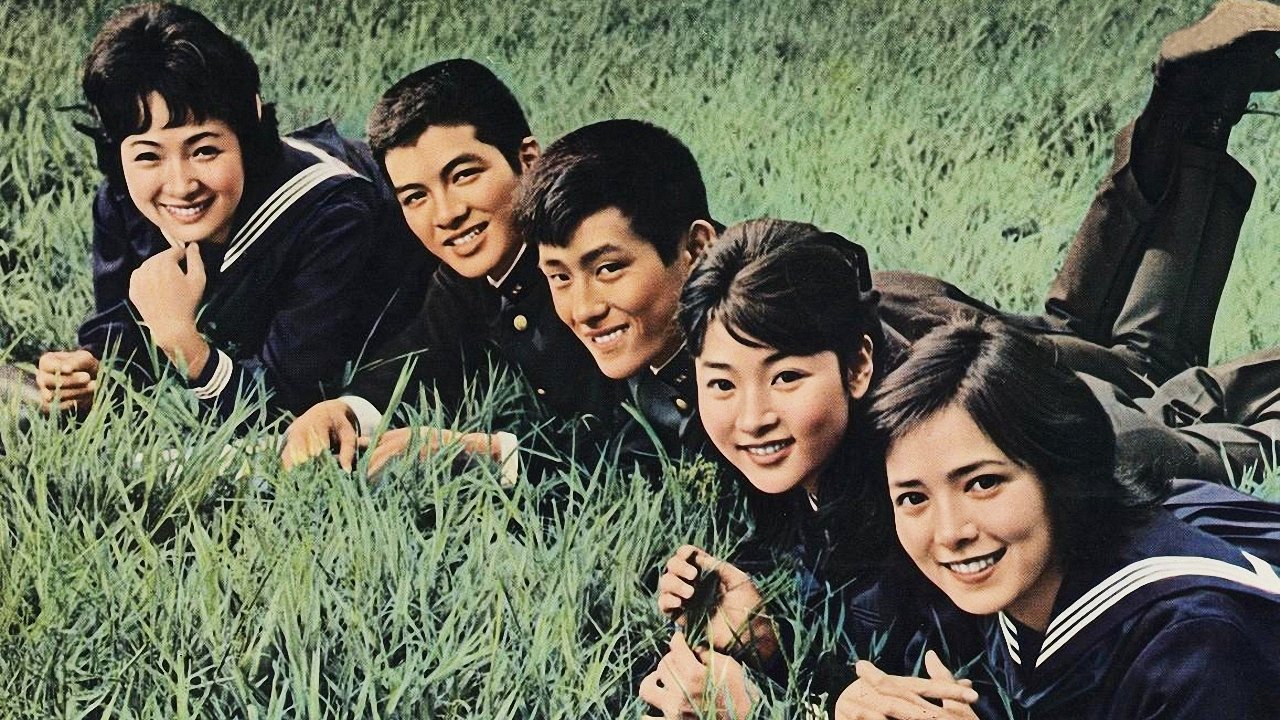



In 1963, Funaki Kazuo's debut song of the same name was released and then it was adapted to a movie based on Kenji Tomishima 's novel “Shake to Tomorrow” with the same title, produced by Daiei with this song as a motif. Singer and actor Funaki Kazuo also appears in the movie, which depicts the fun, love and heartbreak in a Japanese school.
'The Lost Daughter' doesn't paint over the choices Leda and Nina make as mothers as right or wrong but examines the messy in-between.
A haunting look at grief, survival, and a mother’s quiet collapse in a world that never gave her room to fall.
My review’s title is a nod to Shakespeare and is entirely deliberate. The original movie portrayed the high-end fashion world as a brutal arena of plotting, backstabbing, and betrayal, and most Shakespeare’s plays depend on these plot devices. The Devil Wears Prada 2 uses the same formula, and is, plot-wise, almost identical. Once again, we plunge into the cutthroat world of Runway, where to get and stay at the top, you must let go of your principles and moral sense. The only thing different is that due to the digital era, Runway is not a print magazine anymore, but one that is running online.
Disney has a glaring and, up until recently, unaddressed issue that spans nearly its entire lifetime - an absence of diversity.
Remakes. Reboots. Reinventions. Redundancy. It's the common practice in Hollywood of late, sometimes offering us victorious reimagining of what can be considered cinematic classics while also, more often, falling flat on their UN-imaginative faces in utter defeat and lackluster results. Admittedly, with this in mind, I went into the newest incarnation of "The War of the Roses" with typical trepidation and cautious optimism.
'An American Werewolf in London' possesses a possible queer reading in the way it envisions a heterosexual romance being undone by the presence of a creature who embodies self-contentment in the face of social alienation.