

Trans Representation Through Disney’s 'Mulan'
Mulan had to struggle to feel like herself and see herself properly. Some of us have to strive to have our reflection mimic what’s inside. We have to crawl. We have to fight.
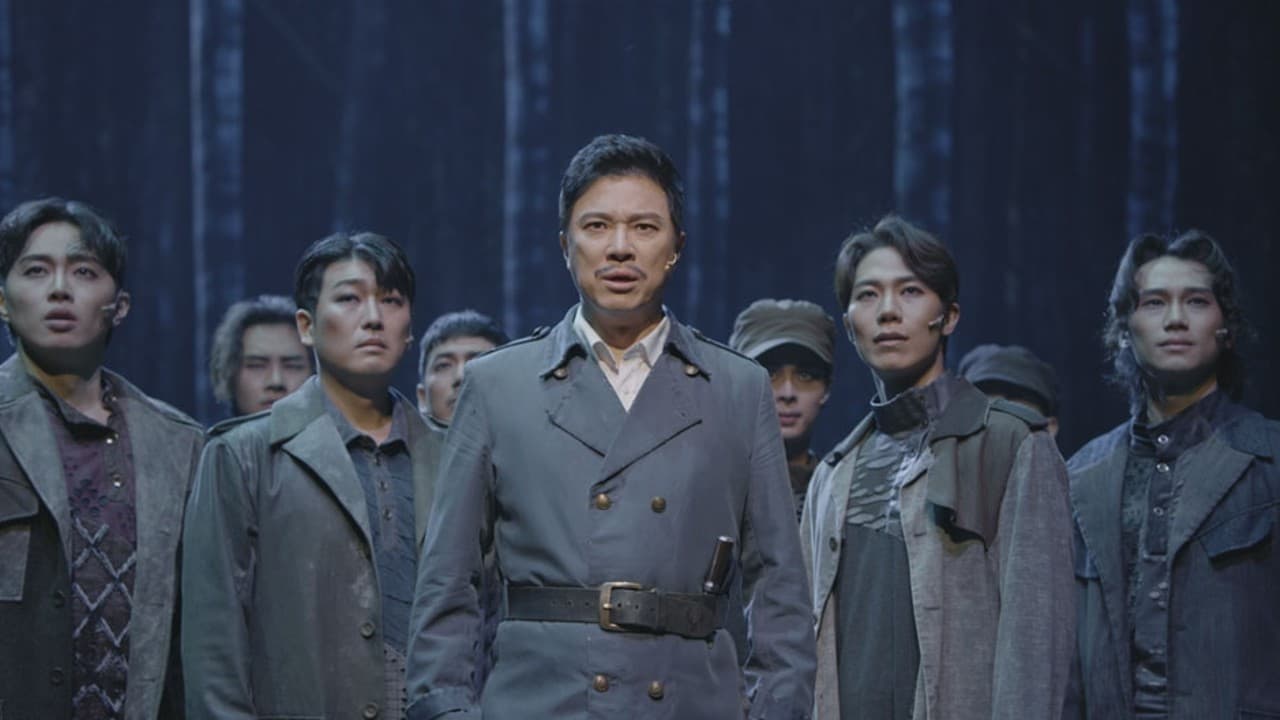



In 1909, the Korean Empire is on the verge of losing its sovereignty to Japan. Patriot Ahn Jung-geun and his comrades pledge their lives to the movement for Korea's liberation. Seol-hee, a court lady of the late Empress, also expresses her intent to join the independence movement. Ito Hirobumi, the first Japanese resident-general on the Korean Peninsula, heads to Harbin to pursue his dream of advancing into Asia. On Oct. 26, 1909, a shot rang out at Harbin Station. Beloved son, father of two children, and husband, Ahn Jung-geun, assassinated Ito Hirobumi. In court, Ahn claims not to be a terrorist, but a prisoner of war desperate to protect his beloved homeland, Korea. Who is the one guilty of a crime?
Mulan had to struggle to feel like herself and see herself properly. Some of us have to strive to have our reflection mimic what’s inside. We have to crawl. We have to fight.
An adventure that centers on freedom and captures viewers' hearts.
My Beautiful Laundrette is often referenced as a positive LGBTQIA+ film because our two main characters are in a homosexual relationship with no shame, fear of violence or criticism. The struggle is not their sexuality. It is the treatment of the Pakistani citizens in England.
Disney movies have taken a bit of a downward turn recently. How come?